
January 2026 has delivered exactly what Northeast Ohio dreads: multiple polar-vortex nights below –15 °F, wind chills to –35 °F, and heating systems running non-stop. If your attic isn’t properly insulated and ventilated, you are literally throwing hundreds of dollars out the roof every single month while setting the stage for massive ice dams and roof damage.
At Brad Smith Roofing—a family-owned GAF Master Elite® contractor serving Cuyahoga, Lake, and Geauga Counties for over 45 years—we specialize in attic insulation upgrades and ventilation retrofits that deliver immediate, measurable savings starting the very first month they’re installed.
 The January Triple Threat Every Homeowner Faces Right Now
- Record-low temperatures driving gas and electric bills to all-time highs
- Ice dams already forming (or about to form) from escaping attic heat melting snow
- 2026 federal and utility energy rebates still available—but many expire March 31
One properly executed attic project solves all three permanently.
The Four Upgrades That Deliver Immediate Payback in January Cold
Blown-In Cellulose or Fiberglass to R-60 (Northeast Ohio Gold Standard)
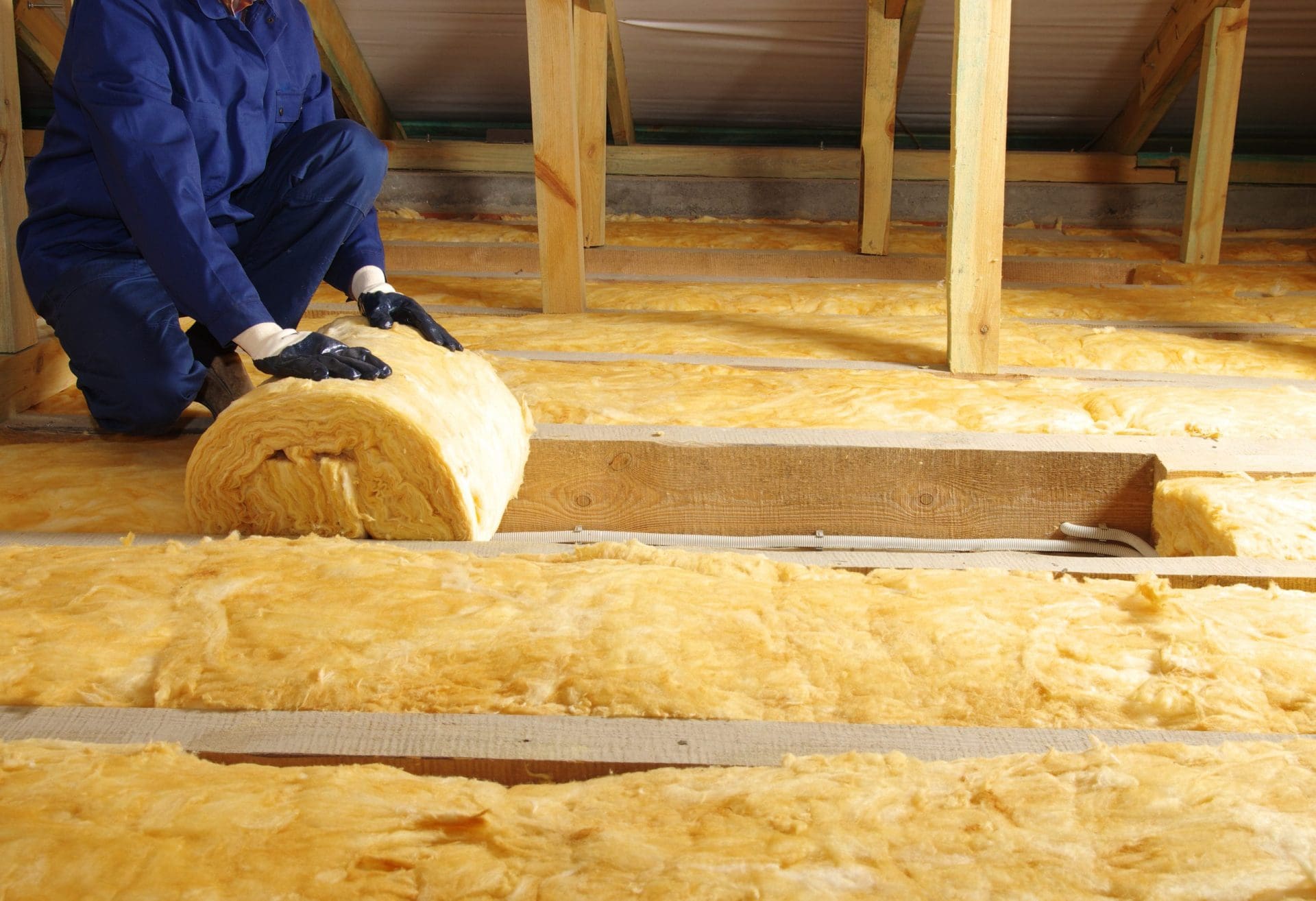
Current Ohio code minimum is R-49. We recommend R-60 for real comfort and savings in lake-effect country. We blow dense-pack cellulose (R-3.8 per inch) or fiberglass (R-3.5–4.0) over existing insulation to add 8–14 inches without removal.
Real January result: Average drop of $180–$420 per month in heating costs.
Closed-Cell Spray Foam Air Sealing + Insulation
The ultimate solution. We seal every bypass—recessed lights, top plates, chimney chases, attic hatches, wiring penetrations—then apply 4–6 inches of closed-cell foam (R-7 per inch). This creates a continuous thermal and air barrier that virtually eliminates ice dams forever.
Bonus: Qualifies for the highest 2026 federal tax credits.
Radiant Barrier + Continuous Ridge Vent Upgrade
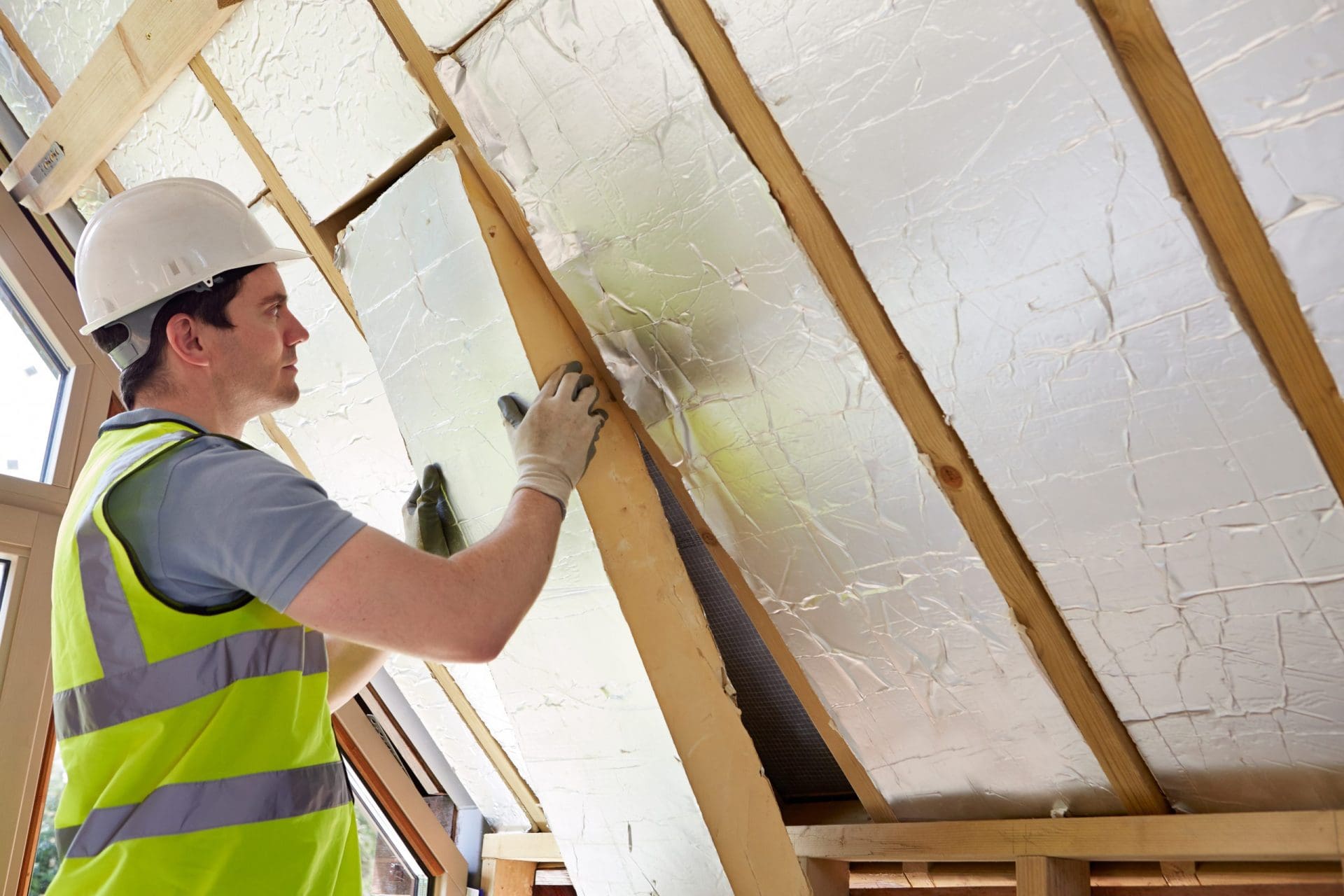
We staple high-performance radiant foil to the underside of roof rafters (blocks 97 % of radiant heat loss) and replace inadequate turbine or gable vents with a full-length ridge vent plus new soffit venting. This balanced system keeps the roof cold and the attic dry.
Smart Ventilation & Humidity-Controlled Power Fans
Solar-powered or 110 V fans with built-in humidistats and thermostats automatically exhaust warm, moist air before it can melt roof snow or create condensation.
Real January 2025 Savings from Actual Northeast Ohio Homes
- Willoughby 1960s ranch – Added R-60 blown-in cellulose over existing R-19 + full air sealing
January 2025 gas bill: dropped from $685 to $298 (–56 %)
Zero ice dams for the first time in 12 years - Novelty cape cod – Closed-cell spray foam to R-42 + radiant barrier
January heating cost: $312 vs $752 previous year
Ice dams eliminated permanently
Qualified for $2,100 federal tax credit - Mentor commercial office – Tapered insulation crickets + cool-roof coating
41 % lower winter energy use
Roof temperature stayed 3–5 °F colder → no ice dams
Why January Is the Best (and Sometimes Only) Time to Upgrade
- You see the problem in real time – Ice dams forming, huge heating bills arriving
- Rebates and tax credits are still in full effect for 2026
- Work is performed in a controlled, heated environment (attic temps stay above 50 °F with our equipment)
- Immediate savings start the day the job is finished
- Prevents the expensive secondary damage that always shows up in March
Available 2026 Rebates & Tax Credits (Confirmed as of January 2026)
- Federal 25C Tax Credit – Up to $3,200 for insulation and air sealing
- Ohio Dominion Energy Home Performance Rebate – Up to $1,250
- FirstEnergy Ohio Attic Insulation Rebate – Up to $1,200
- Local utility blower-door test rebates – $100–$300
Total possible incentives: $2,500–$5,750 depending on scope.
The Science Behind Ice Dam Elimination
Ice dams form when attic heat escapes → melts lower roof snow → water runs to cold eaves → refreezes → blocks drainage → backs under shingles.
Solution = keep the entire roof surface the same temperature as the outdoor air.
That requires two things:
- Stop heat from entering the attic (air sealing + insulation)
- Remove any heat that does enter (proper ventilation)
Do both correctly and ice dams become physically impossible.
Step-by-Step Upgrade Process We Use
- Free energy audit with blower-door test and thermal imaging
- Remove and catalog any wet/damaged insulation
- Air seal every penetration with fire-rated foam and caulk
- Install radiant barrier (optional but highly recommended)
- Blow new insulation to target R-value
- Upgrade ventilation (ridge + soffit + power fan if needed)
- Final blower-door test to verify performance
- Entire project typically completed in 1–2 days.
 Cost vs Savings Breakdown
 Cost vs Savings Breakdown
Average 2,000 sq ft home upgrade to R-60 + air sealing + ventilation:
- Investment: $4,800 – $8,900 (after rebates: $2,300 – $5,200)
- First-year savings: $1,400 – $2,800 in heating + zero ice dam repairs
- Payback period: 1.8 – 3.4 years
- Additional benefits: Cooler summers, quieter home, 10–15 extra years of roof life
Don’t Wait for Spring—Act While the Problem Is Visible
Every day you delay in January costs you real money in heating bills and increases the chance of roof damage that shows up when the thaw finally hits. We still have January and February slots available for attic insulation upgrades. Call Brad Smith Roofing today at 440-835-3377 and start saving with your very next heating bill.
Common FAQS About Insulation and Ventilation
1. How much can I save on heating bills with a January attic insulation upgrade in Northeast Ohio?
Most homes save $180–$500+ per month starting the first billing cycle.
2. Will upgrading insulation now stop ice dams this winter?
Yes — proper R-60 insulation + air sealing eliminates the heat escape that creates ice dams.
3. Are there still 2026 energy rebates available in January?
Yes — federal 25C credit up to $3,200 and local utility rebates up to $2,500+ are still active.
4. How long does an attic insulation upgrade take in January?
1–2 days for most homes; we work in heated attics so cold weather never delays us.
5. Do you remove old, wet insulation first?
Yes — we always remove damaged insulation and treat any mold before installing new material.
6. Can spray foam really be installed in January in Lake County?
Absolutely — closed-cell foam cures in minutes and performs even in sub-zero conditions.
7. Will a January upgrade lower my ice dam risk this same winter?
100 % — most clients see zero ice dams the same season.
8. Do you offer financing for insulation upgrades?
Yes — 0 % interest and low-payment plans available.
9. How do I know if my attic ventilation is causing ice dams in Geauga County?
Our free blower-door + thermal test shows exactly where heat is escaping.
10. How do I get started?
Call 440-835-3377 for your free energy audit and rebate qualification check.

Stacey is a graduate of BGSU, where she graduated with a B.A. in Interpersonal Communication and a Minor in Marketing. Stacey’s focus of study was Business Management. Stacey has been with the Company since November of 1999, she became the Office Manager in 2003. Stacey now serves as the Vice-President for the Company. She has been a Member of the Rocky River Chamber of Commerce since 2016. Stacey and her brother, Drew Smith, continue to follow in their Father’s footsteps bringing new innovations, new programs, new products and new techniques to help the Company’s efficiency, safety and customer satisfaction.
