
When most homeowners think about roof maintenance, they picture shingles, flashing, gutters, and ventilation. The chimney is often overlooked—until there’s a visible problem. But your chimney is more than a decorative feature rising above your roofline. It’s a masonry structure that faces constant exposure to weather, temperature changes, and moisture. Over time, even the strongest brick and mortar can deteriorate.
A professional chimney check-up is one of the most important yet underappreciated parts of exterior home maintenance. Regular masonry inspections and maintenance help prevent water damage, structural deterioration, and costly repairs. At Brad Smith Roofing, we understand how closely your chimney and roof work together—and why both need consistent attention to protect your home.
 Why Chimney Masonry Matters
Your chimney is typically constructed from brick, mortar, concrete, or stone. These materials are durable, but they are not indestructible. Masonry is porous, which means it absorbs water. When exposed to rain, snow, ice, and fluctuating temperatures, that moisture can cause significant damage over time.
In Northeast Ohio, seasonal weather changes can be especially hard on masonry. Freeze-thaw cycles—when absorbed water freezes and expands, then thaws and contracts—can gradually break down bricks and mortar joints. This process can lead to cracks, crumbling mortar, and structural instability if left unaddressed.
Unlike interior damage, chimney masonry issues often begin subtly. By the time you notice visible cracking or loose bricks, the problem may already be advanced. That’s why preventative check-ups are so important.
The Hidden Role of Water in Chimney Damage
Water is the number one enemy of chimney masonry. Even small amounts of moisture infiltration can lead to:
- Cracked bricks
- Deteriorating mortar joints
- Rusted chimney liners or components
- Damaged flashing where the chimney meets the roof
- Interior leaks and ceiling stains
Chimneys are exposed on all sides, making them particularly vulnerable to water intrusion. Unlike siding or other exterior surfaces, chimneys do not have an overhang or barrier protecting them from direct rainfall.
Additionally, the top of the chimney—the crown—must be properly sealed and maintained. If cracks develop in the crown, water can seep directly into the masonry below, accelerating deterioration from the inside out.
What a Chimney Check-Up Includes
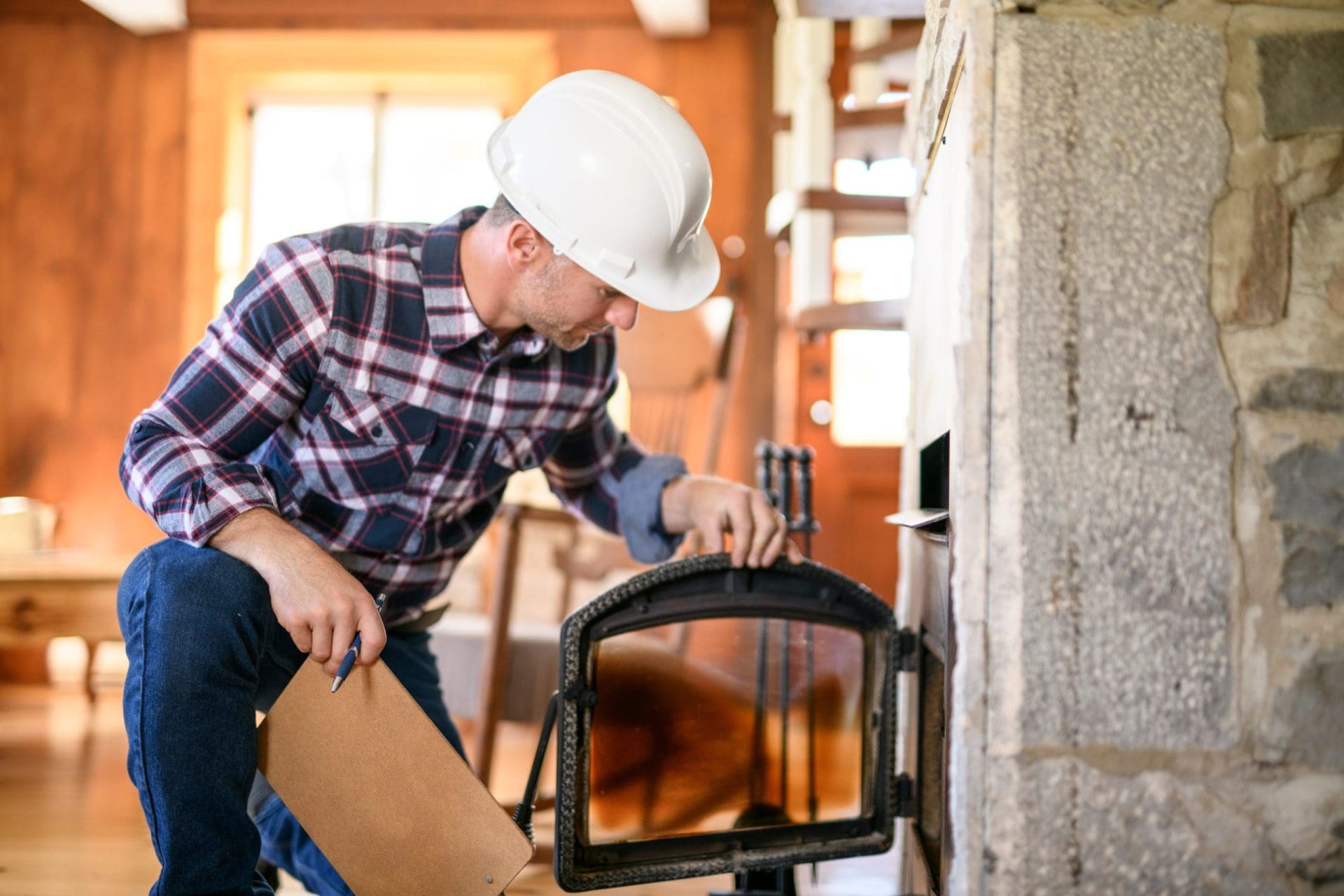
A professional chimney inspection focuses on identifying early signs of masonry damage before they become serious structural problems. While homeowners can visually inspect from the ground, many critical issues are not visible without a closer look.
A comprehensive chimney check-up typically includes:
- 1. Brick Condition Assessment
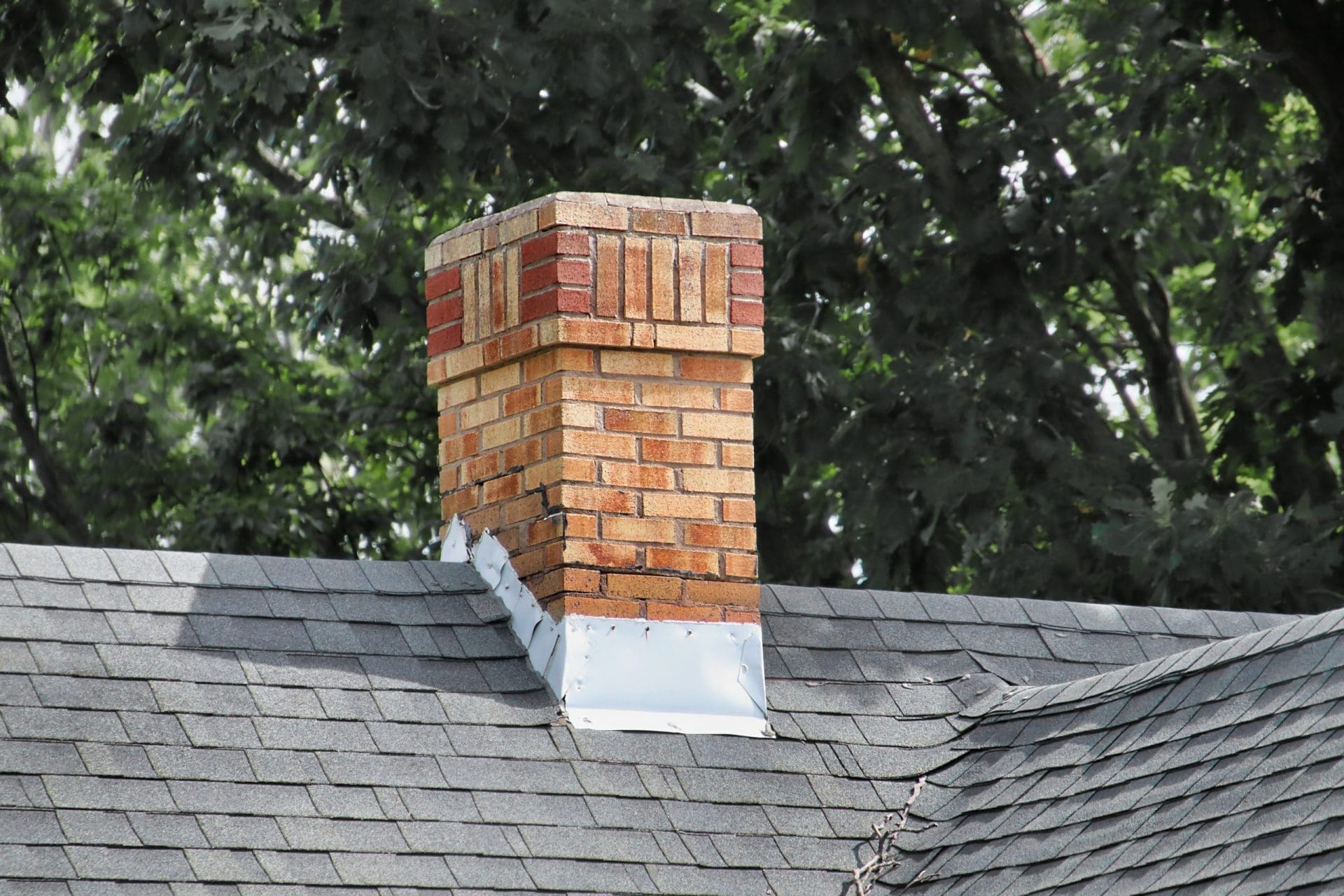
Bricks should be intact, solid, and free from spalling (flaking or chipping). Spalling occurs when water penetrates brick and causes the surface to break apart. Early detection allows for targeted repairs instead of full rebuilds.
- 2. Mortar Joint Evaluation
Mortar holds the chimney together. Over time, it can deteriorate due to weather exposure. Cracked or missing mortar joints weaken the structure and allow moisture penetration. Repointing—removing damaged mortar and replacing it with fresh mortar—restores strength and weather resistance.
- 3. Chimney Crown Inspection
The crown is the concrete or mortar top that seals the chimney. It should slope away from the flue to direct water off the structure. Cracks in the crown are common and can allow water infiltration if not sealed properly.
- 4. Flashing Examination
Flashing is the metal material installed where the chimney meets the roof. Its purpose is to create a watertight seal. If flashing is loose, rusted, or improperly sealed, leaks can occur around the base of the chimney.
- 5. Cap and Cover Check
A chimney cap helps prevent rain, debris, and animals from entering the flue. While caps are not masonry components, they play a vital role in preventing water damage to the interior structure.
Common Signs Your Chimney Needs Attention
Even without climbing onto the roof, there are warning signs homeowners should never ignore:
- White staining (efflorescence) on the chimney exterior
- Loose or missing bricks
- Crumbling mortar
- Rust stains on the exterior
- Water stains on ceilings near the chimney
- Damp odors in the attic
Efflorescence is a white, powdery residue that appears when water dissolves salts within the masonry and deposits them on the surface. While the staining itself isn’t structurally harmful, it indicates excessive moisture inside the chimney—something that should be addressed promptly.
If you notice any of these signs, scheduling a professional inspection is the next step.
The Connection Between Roofing and Chimney Health
Your chimney doesn’t stand alone—it integrates directly with your roofing system. Problems with one can affect the other.
For example:
- Damaged flashing can cause roof leaks.
- Poor roof drainage can direct water toward the chimney base.
- Ice dams can worsen masonry deterioration near the roofline.
- Roof replacements often require flashing updates around the chimney.
Because of this connection, chimney inspections are especially important during roof repairs or replacements. Addressing masonry concerns while roofing work is underway can prevent future complications.
At Brad Smith Roofing, chimney masonry maintenance is part of a comprehensive approach to protecting your home’s exterior.
Why Proactive Maintenance Saves Money
It’s far more cost-effective to maintain masonry than to rebuild it. Small cracks and minor mortar deterioration are relatively straightforward to repair. However, if neglected, those same issues can lead to:
- Structural instability
- Partial chimney collapse
- Interior water damage
- Extensive roof repairs
When bricks begin to loosen or mortar joints fail extensively, more complex restoration may be required. Preventative maintenance extends the life of the chimney and reduces the likelihood of major structural repair.
The Importance of Professional Evaluation
While some masonry problems may appear minor from a distance, diagnosing the true extent of chimney damage requires professional expertise. Roofing professionals understand how moisture travels, how flashing interacts with masonry, and how structural issues develop over time.
Climbing onto a roof without proper equipment and training is also dangerous. Chimney inspections should always be conducted safely and thoroughly.
A trained eye can identify subtle warning signs such as:
- Hairline crown cracks
- Early-stage mortar separation
- Inadequate slope or drainage
- Flashing separation points
Catching these issues early protects both your chimney and your roof system.
Masonry Sealing and Waterproofing
In addition to repairs, waterproofing treatments can help protect chimney masonry. Breathable masonry sealants are designed to repel water while still allowing trapped moisture vapor to escape.
This type of protection reduces water absorption and helps extend the lifespan of bricks and mortar. However, not all sealants are appropriate for all types of masonry. Professional evaluation ensures the right materials are used and applied correctly.
Safety Considerations
Chimney masonry deterioration isn’t just a cosmetic concern. Structural weakening can pose safety risks. Loose bricks or unstable sections may eventually fall. Damaged masonry can also affect the structural integrity of the chimney system as a whole.
Additionally, water infiltration can impact internal chimney components, which are essential for safe fireplace and furnace venting.
Routine inspections help ensure that the chimney structure remains sound and stable.
 Integrating Chimney Maintenance Into Your Home Care Plan
 Integrating Chimney Maintenance Into Your Home Care Plan
Chimney check-ups should be part of your regular home maintenance routine—just like roof inspections, gutter cleaning, and siding evaluations.
A good rule of thumb is to schedule:
- An annual exterior chimney inspection
- An inspection following severe storms
- An evaluation during roof replacement projects
Homeowners who stay proactive with exterior maintenance often avoid emergency repairs and unexpected expenses.
When to Call a Professional
If you observe visible cracks, loose bricks, or water staining near your chimney, it’s time to call a trusted roofing and exterior professional.
Brad Smith Roofing serves homeowners throughout Northeast Ohio with reliable exterior services, including roofing and chimney-related repairs. Our team understands the importance of protecting your entire roofing system—including the masonry components that intersect with it.
We provide honest evaluations and clear recommendations so you can make informed decisions about your home.
Contact Brad Smith Roofing Today
If you haven’t had your chimney inspected recently, now is the time to contact Brad Smith Roofing. Proactive masonry maintenance extends the life of your chimney, prevents costly water damage, and keeps your entire roofing system functioning properly. Visit our website or call 440-835-3377.
Common FAQs
1) Why is chimney masonry maintenance important?
Because chimney brick and mortar are exposed to the elements year-round. Over time, moisture and weather can weaken mortar joints, crack bricks, and create entry points for water that can lead to larger repairs.
2) What’s the most common cause of chimney masonry damage?
Moisture intrusion is the biggest issue. Water can enter through cracks, worn mortar joints, or an aging chimney crown and then worsen damage over time—especially in freeze-thaw conditions.
3) How can I tell if my chimney might need repairs?
Common signs include cracked or missing mortar, loose or deteriorating bricks, white staining on the chimney (efflorescence), rust stains, and water stains inside the home near the chimney.
4) What is chimney repointing?
Repointing is the process of removing deteriorated mortar from the joints and replacing it with new mortar to restore strength, stability, and weather resistance.
5) What is the chimney crown, and why does it matter?
The chimney crown is the top surface that helps seal and protect the chimney structure. If it cracks or fails, water can enter from the top and cause internal masonry damage.
6) How does chimney flashing relate to roof leaks?
Flashing seals the area where the chimney meets the roof. If flashing is loose, corroded, or improperly sealed, water can enter around the chimney base and cause roof and interior leaks.
7) How often should I have my chimney checked?
A yearly exterior inspection is a smart baseline for most homes. You should also consider an inspection after major storms or if you notice leaks, staining, or visible masonry deterioration.
8) Can I inspect my chimney myself?
You can do a basic ground-level visual check for obvious cracks, missing mortar, or staining. But a professional inspection is safer and more effective because many problems aren’t visible from the ground.
9) Does waterproofing help protect chimney masonry?
In many cases, yes. A breathable masonry water repellent can reduce water absorption while allowing moisture vapor to escape. A professional should recommend the right product and approach for your chimney’s condition.
10) When should I call Brad Smith Roofing about a chimney issue?
If you see brick or mortar damage, white staining, rust streaks, or any interior water stains near the chimney—or if it’s been a while since your last inspection—call Brad Smith Roofing at 440-835-3377 or visit bradsmithroofing.com to schedule an evaluation.

Stacey is a graduate of BGSU, where she graduated with a B.A. in Interpersonal Communication and a Minor in Marketing. Stacey’s focus of study was Business Management. Stacey has been with the Company since November of 1999, she became the Office Manager in 2003. Stacey now serves as the Vice-President for the Company. She has been a Member of the Rocky River Chamber of Commerce since 2016. Stacey and her brother, Drew Smith, continue to follow in their Father’s footsteps bringing new innovations, new programs, new products and new techniques to help the Company’s efficiency, safety and customer satisfaction.
