
Winter scenery can be beautiful. A blanket of fresh, white snow on your roof looks like a holiday card. But while it looks pretty, that snow can be a heavy burden for your home.
When snow piles up, it gets very heavy. And when it starts to melt and refreeze, it turns into ice. This can cause big problems for your roof and your gutters.
Many homeowners try to handle this themselves, but that can be risky. Climbing on a roof in winter is dangerous. In this post, we will talk about the dangers of roof snow and why professional snow removal from roof surfaces is the safest choice.
 The Danger of Heavy Snow
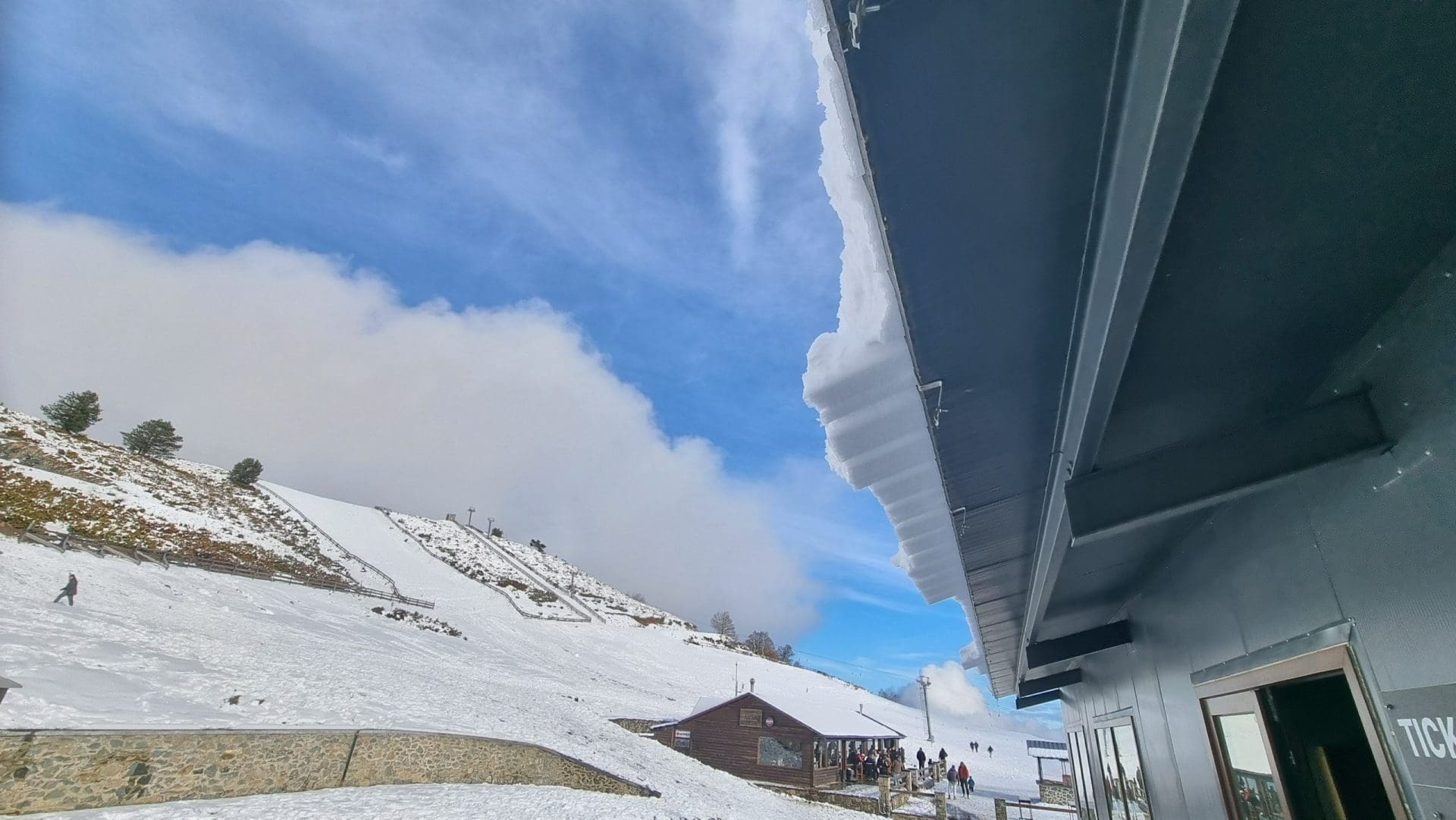
Roofs are built to hold weight, but they have limits. Wet, heavy snow weighs a lot more than fluffy, dry snow. If too much accumulates, it can stress the structure of your house. In extreme cases, it can cause the roof to sag or even collapse.
You also have to worry about vents. If snow covers the vents on your roof, dangerous gases like carbon monoxide can get trapped inside your house. Keeping those areas clear is vital for safety.
The Ice Dam Nightmare
The biggest problem with snow on the roof is usually “ice dams.” An ice dam is a ridge of ice that forms at the edge of your roof. Here is how it happens:
- Heat from your house rises into the attic and warms the roof.
- The snow on top of the roof melts and water runs down.
- When the water reaches the edge of the roof (the eaves), it is colder because there is no attic heat underneath.
- The water freezes there, forming a wall of ice.
This wall grows bigger and bigger. Eventually, melting water gets stuck behind the ice wall. It forms a pool. Since the water can’t run off, it backs up under your shingles.
Once water is under the shingles, it leaks into your attic. It soaks your insulation. It ruins your ceiling drywall. It can cause mold to grow. Ice dams cause thousands of dollars in damage every year.
Why DIY is a Bad Idea
When homeowners see snow or ice dams, they often panic. They want to get it off immediately. But trying to do snow removal from roof areas yourself is very dangerous.
Slip and Fall Risks
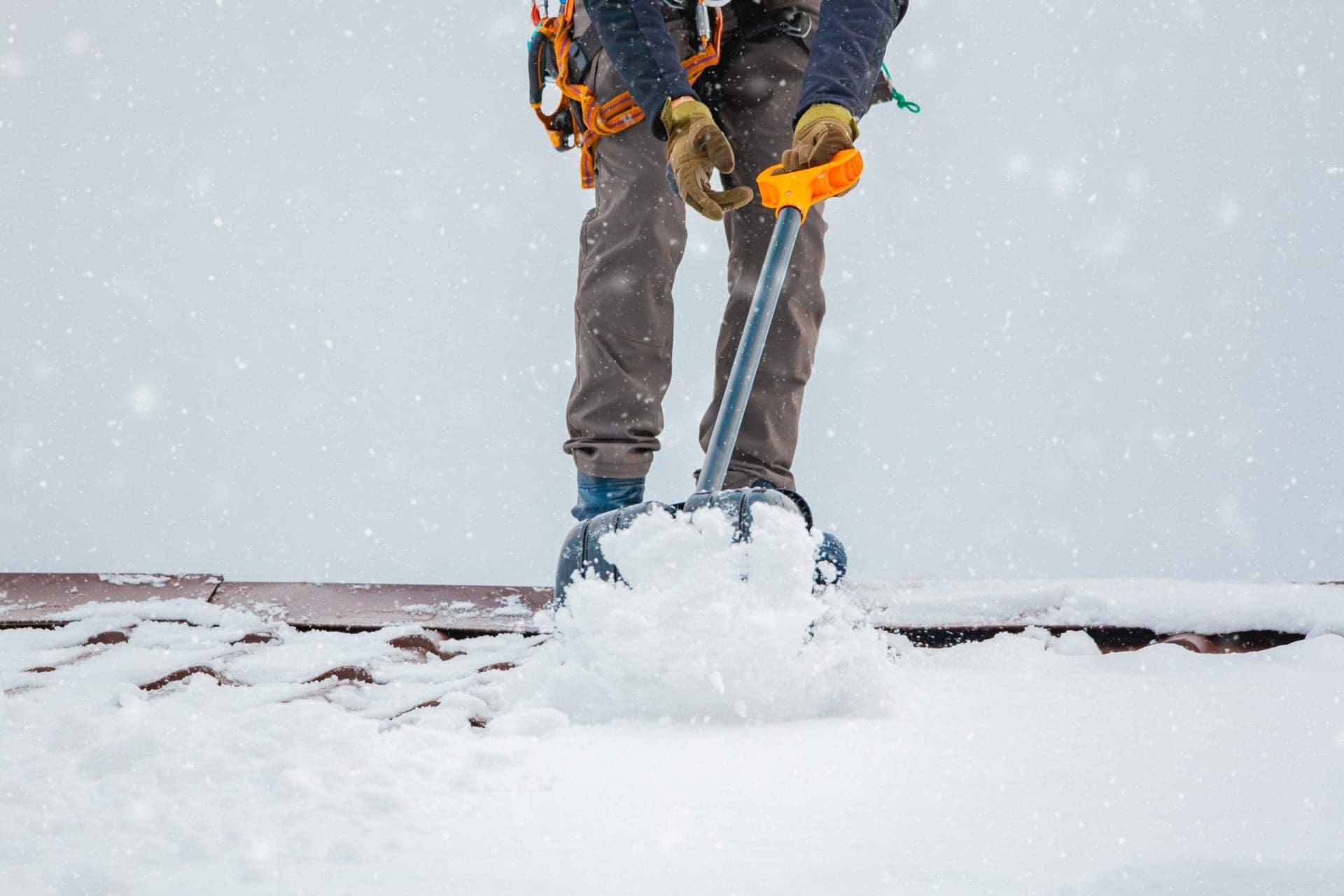
Roofs are slippery even when dry. When covered in snow and ice, they are like a skating rink. A ladder on icy ground is unstable. One slip can lead to a serious injury.
Damaging the Roof
We have seen homeowners try to chop ice dams with axes, hammers, or shovels. This almost always ends badly. You can easily crack your shingles or rip off your gutters. Using a pressure washer can blast water under the shingles, causing a leak immediately.
Salt Pucks
Some people throw “salt pucks” onto the roof to melt the ice. While salt melts ice, it can also discolor your shingles and kill the plants and grass below when it drips down.
How the Pros Do It
Hiring a professional is the smart way to handle winter roof issues. At Brad Smith Roofing, we have the right tools and safety gear.
We use special roof rakes to gently pull snow off the edges. This takes the weight off and stops new ice dams from feeding. We know how to move around safely without hurting ourselves or your roof.
If you have a stubborn ice dam, we use steam. Steam melting is the safest method. It cuts through the ice like butter but does not damage the shingles. It clears the path for water to drain properly.
Prevention is Key
The best way to handle ice dams is to stop them before they start. Remember how we said attic heat causes the snow to melt? If we keep the attic cold, the snow won’t melt until the sun hits it.
This means you need good insulation and ventilation.
- Insulation: Keeps the heat in your living rooms and out of the attic.
- Ventilation: Lets cold outside air flow through the attic to keep the roof deck cold.
If you get ice dams every year, ask us to look at your attic. Adding more insulation or fixing your vents might solve the problem permanently.
 When to Call for Snow Removal
 When to Call for Snow Removal
You don’t need to call every time it flurries. But you should call if:
- You see a thick ridge of ice forming on the gutters.
- You see icicles that are huge or brown (brown water means it is dirty water from inside your roof).
- You hear creaking or popping noises from the roof.
- You have leaks inside the house.
- There is more than 6 inches of heavy, wet snow.
Stay Safe and Warm Inside
Winter is hard enough without worrying about your roof. Don’t risk your safety climbing a ladder in freezing temperatures. Let the experts handle the heavy lifting.
We provide local professional services for snow removal from roof areas and ice dam steaming. We work quickly to protect your home so you can get back to relaxing by the fire.
If you are worried about the snow piling up on your home or business, contact Brad Smith Roofing today!
Common FAQS About Snow Removal
1) Why is roof snow removal important?
Snow can look harmless, but it adds serious weight to your roof. As it melts and refreezes, it can turn into ice and lead to leaks, damaged gutters, and costly repairs.
2) How much does snow actually weigh on a roof?
It depends on the type of snow. Light, fluffy snow weighs much less than wet, heavy snow. Wet snow can load a roof fast, especially after multiple storms or a thaw-freeze cycle.
3) What are the warning signs my roof has too much snow?
Common signs include sagging areas, creaking or popping noises, and snow buildup that seems unusually thick—especially if it’s heavy and wet.
4) What is an ice dam?
An ice dam is a ridge of ice that forms along the edge of your roof. It blocks melting snow from draining properly, causing water to back up under shingles and leak into your home.
5) What causes ice dams to form?
Ice dams typically form when heat escapes into the attic, warming the roof and melting snow. The water runs down to colder roof edges (eaves), refreezes, and builds up into a dam.
6) Why are ice dams such a big deal?
Because they can push water under your shingles and into your attic. This can lead to wet insulation, damaged drywall, stained ceilings, and even mold growth—often costing thousands to fix.
7) Is it safe to remove roof snow myself?
In most cases, no. Winter roofs are extremely slippery, and ladders on icy ground are unstable. DIY roof work in snow and ice conditions carries a high risk of falls and serious injury.
8) Can DIY methods damage my roof?
Yes. Chopping ice with tools like axes or shovels can crack shingles and damage gutters. Pressure washers can force water under shingles and cause leaks immediately. Even “salt pucks” can stain shingles and harm landscaping.
9) How do professionals remove snow and ice safely?
Pros use the right tools and safety gear. Snow is often removed with special roof rakes to reduce weight and limit ice dam growth. For stubborn ice dams, steam removal is one of the safest methods because it melts ice without damaging shingles.
10) When should I call a professional for roof snow removal?
Call if you notice:
-
A thick ridge of ice at the gutters
-
Huge or brown icicles (brown can indicate dirty water from inside the roof system)
-
Creaking/popping noises from the roof
-
Leaks inside your home
-
More than 6 inches of heavy, wet snow

Stacey is a graduate of BGSU, where she graduated with a B.A. in Interpersonal Communication and a Minor in Marketing. Stacey’s focus of study was Business Management. Stacey has been with the Company since November of 1999, she became the Office Manager in 2003. Stacey now serves as the Vice-President for the Company. She has been a Member of the Rocky River Chamber of Commerce since 2016. Stacey and her brother, Drew Smith, continue to follow in their Father’s footsteps bringing new innovations, new programs, new products and new techniques to help the Company’s efficiency, safety and customer satisfaction.
