
When it comes to protecting your home from water damage, gutters play a crucial role. They direct rainwater away from your roof, siding, and foundation, preventing costly repairs down the line. Choosing the right gutters not only safeguards your home but also contributes to its curb appeal and long-term value. Two of the most common types of gutters that homeowners often consider are seamless and sectional.
Each type has its own set of advantages, installation requirements, and maintenance needs. By understanding the key differences between seamless and sectional gutters, including factors like durability, appearance, and ease of repair, you can make a more informed decision and select the option that best suits your home’s design and your personal preferences.
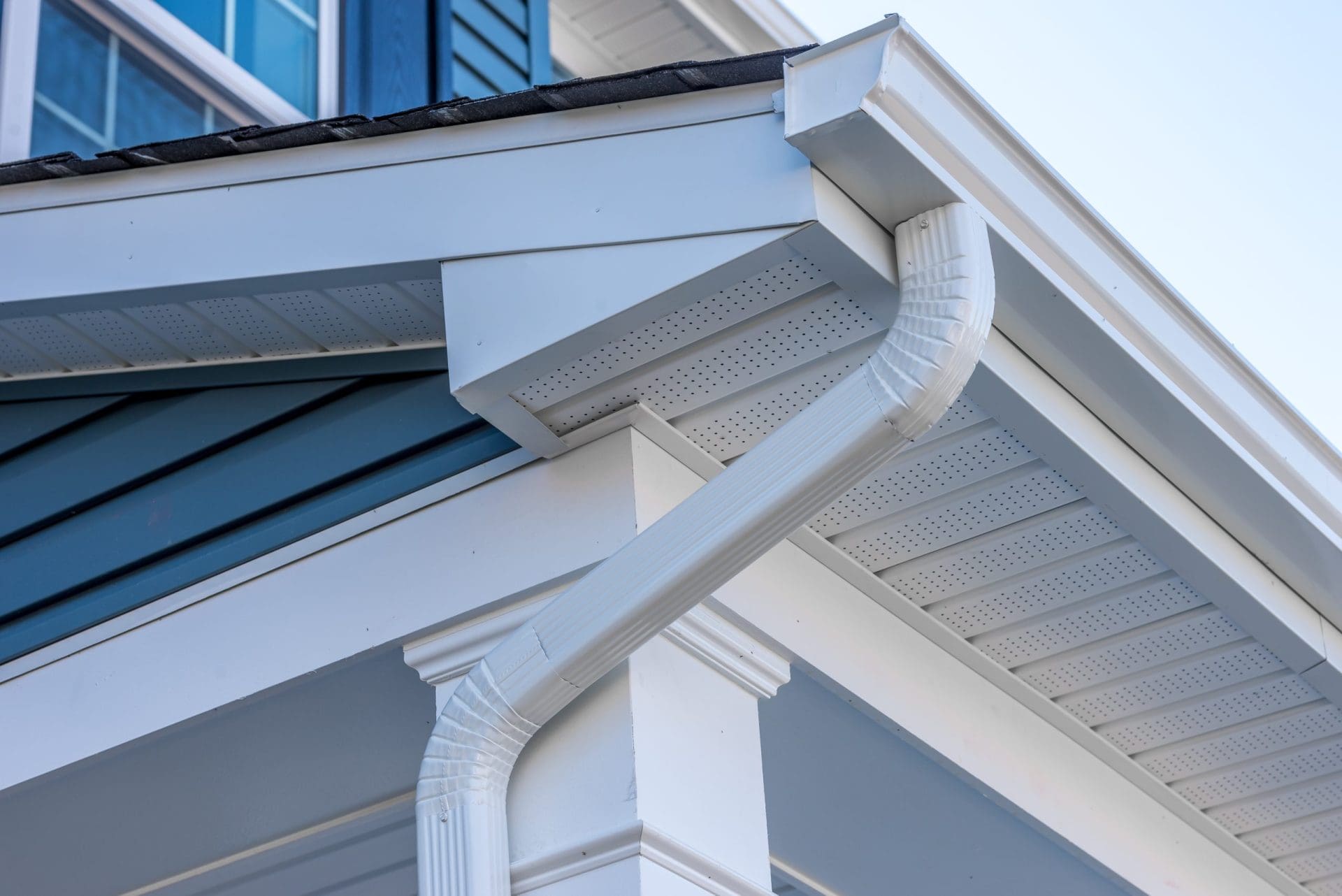 Key Takeaways
- Seamless gutters are custom-made in one continuous piece, reducing leaks.
- Sectional gutters are pre-cut pieces joined together, making installation flexible but potentially leak-prone.
- Maintenance and durability differ between the two, influencing your long-term gutter performance.
- The right choice depends on your home’s structure, aesthetic preferences, and willingness to maintain gutters regularly.
- Cost considerations can also vary, with seamless gutters often being a higher upfront investment but potentially offering long-term savings through reduced maintenance and repair needs.
- Aesthetic impact is important: seamless gutters create a polished, continuous look, whereas sectional gutters may show visible seams, which can influence your home’s exterior appearance.
- Installation preferences matter: seamless gutters typically require professional installation with specialized equipment, while sectional gutters can be more DIY-friendly or handled by general contractors.
- Decision factors include your home’s structure, roofing style, aesthetic preferences, climate, and how much time and effort you’re willing to spend on upkeep. Choosing the right gutter system ensures better water management and long-term protection for your home.
What Are Seamless Gutters?
Seamless gutters are made from a single piece of material, typically aluminum, copper, or steel, and are custom-fit to the exact length of your roofline. Because they have very few joints usually only at corners or downspouts, they are less likely to leak than gutters with multiple sections.
Advantages:
- Fewer leaks: With fewer joints, there’s less chance for water to escape.
- Cleaner appearance: Seamless gutters have a sleek, continuous look that many homeowners find visually appealing.
- Durability: Continuous construction can reduce areas where rust or corrosion might form.
Considerations:
- Installation: Seamless gutters require specialized equipment to custom-fit each piece to your home, making professional installation common.
- Repairs: If damage occurs, repairing or replacing a section can be more involved than with sectional gutters.
What Are Sectional Gutters?
Sectional gutters, also called “modular” gutters, are made from shorter pieces, usually 10–20 feet long, that are connected with joints and fasteners along the roofline.
Advantages:
- DIY-friendly: Homeowners or general contractors can install sectional gutters without specialized machinery.
- Flexible installation: Sections can be added, removed, or replaced individually, making repairs more straightforward.
- Variety: Available in many materials and colors, allowing homeowners to mix and match.
Considerations:
- More potential leaks: Every joint is a potential weak point where water can escape.
- Maintenance: Over time, joints may loosen, or sealants may degrade, requiring periodic attention.
- Appearance: Joints can be visible, which may not be as visually seamless as continuous gutters.
Comparing Seamless and Sectional Gutters
Understanding how seamless and sectional gutters differ can make your decision easier. Here’s a closer look at some key factors:
1. Installation
- Seamless gutters: Installed with specialized machines to fit your roof’s dimensions precisely. Typically handled by professionals.
- Sectional gutters: Pre-cut pieces are attached with connectors, making them suitable for DIY projects or simpler installations.
2. Maintenance
- Seamless gutters: Fewer joints mean less maintenance. Occasional cleaning is still necessary to prevent clogs.
- Sectional gutters: Regular inspection of joints is recommended to ensure seals remain tight and to prevent leaks.
3. Durability and Performance
- Seamless gutters: Continuous construction reduces leak points and can handle heavy rain more efficiently.
- Sectional gutters: The presence of joints can sometimes affect performance during heavy rainfall if not properly sealed.
4. Aesthetics
- Seamless gutters: Provide a streamlined, uniform appearance along the roofline.
- Sectional gutters: Joints may be noticeable, which can impact the overall look depending on your home’s design.
5. Repair and Replacement
- Seamless gutters: Repairing a damaged section may require cutting and re-fabricating a new piece.
- Sectional gutters: Individual pieces can be replaced without disturbing the rest of the system.
Homeowner Checklist: Choosing the Right Gutters
Use this simple checklist to guide your decision:
- Do you prefer a sleek, continuous look? → Seamless gutters may be ideal.
- Are you comfortable with routine maintenance of joints? → Sectional gutters are easier to maintain individually.
- Do you want a DIY installation option? → Sectional gutters are more accessible for this.
- Are you concerned about leaks? → Seamless gutters minimize joints and reduce leak risk.
- Is easy repair and replacement important to you? → Sectional gutters allow for piece-by-piece replacement.
 Making the Right Choice for Your Home
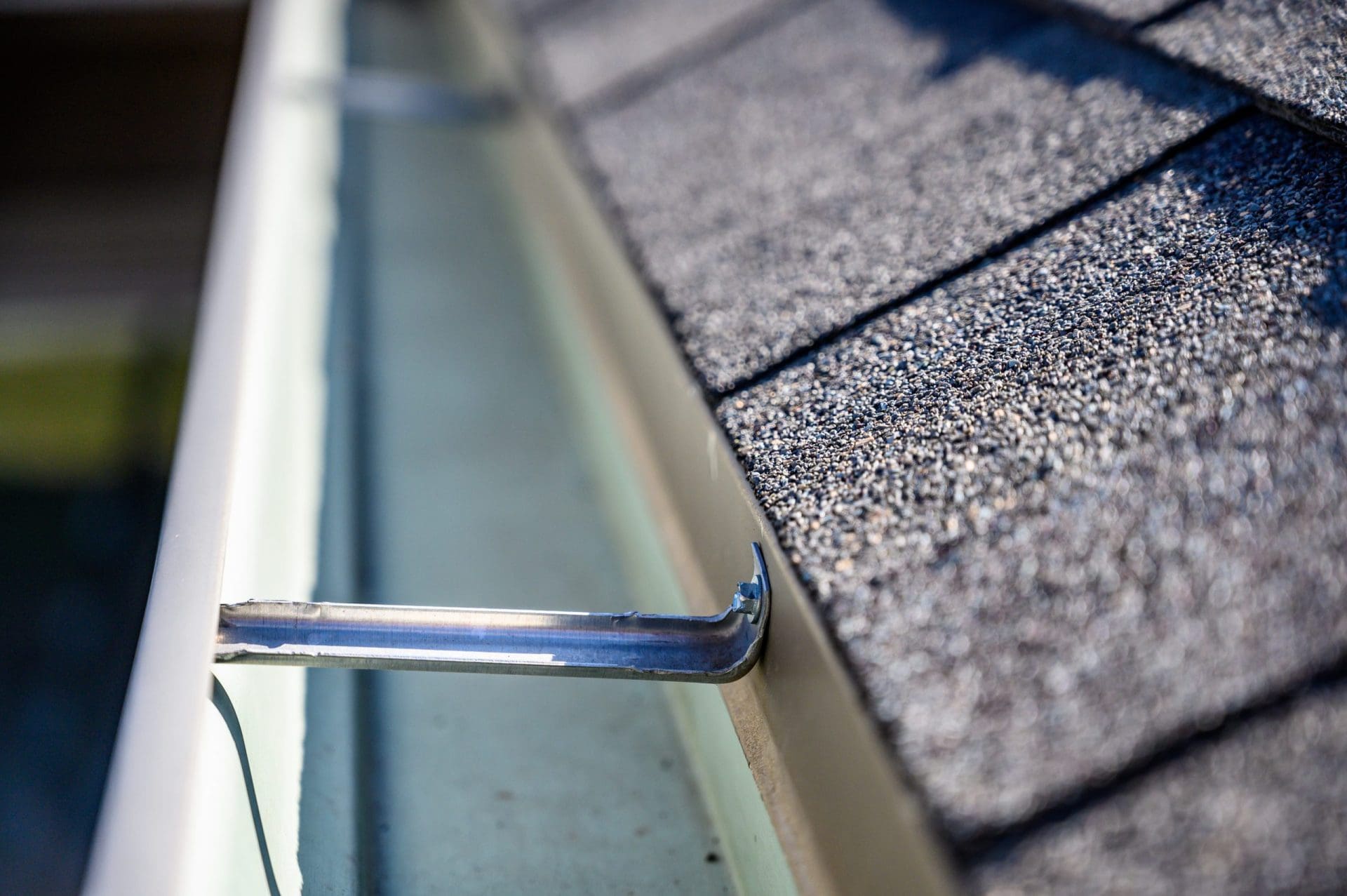 Making the Right Choice for Your Home
Both seamless and sectional gutters offer reliable ways to protect your home from water damage. Your choice depends largely on your priorities, such as appearance, maintenance, installation preferences, and long-term performance.
- If you want minimal maintenance and a polished look, seamless gutters are likely the better fit.
- If you prefer flexibility in installation and easy repair options, Sectional gutters may work best.
Ultimately, understanding the pros and cons of each type will help you make an informed decision that supports your home’s protection and style.
Contact Brad Smith Roofing Today
Considering new gutters or thinking about an upgrade? Brad Smith Roofing is here to help. Take the first step toward protecting your home today. Get in touch with us today through our website or by calling 440-835-3377 to speak with our team and discover more about our various services.
Frequently Asked Questions (FAQs)
- Can I install seamless gutters myself?
Seamless gutters typically require specialized equipment for proper installation, so professional help is recommended. - How long do seamless gutters last?
Their lifespan depends on the material, climate, and maintenance, but seamless construction generally helps them perform well over time. - Are sectional gutters prone to leaking?
Sectional gutters have joints that can be potential leak points, so regular inspection and maintenance are important. - Which material is better for gutters?
Aluminum, copper, and steel are common options. Each has pros and cons depending on durability, appearance, and local climate. - Do seamless gutters require more maintenance?
Actually, seamless gutters often require less maintenance due to fewer joints, but they still need periodic cleaning to prevent clogs. - Can I replace just one section of a seamless gutter?
Repairing seamless gutters can be more involved because they are custom-fabricated, unlike sectional gutters, where individual pieces can be swapped easily. - Will sectional gutters match my home’s exterior?
Sectional gutters come in various colors and finishes, allowing for a tailored look that complements your home. - Are seamless gutters more expensive?
Costs can vary based on material and installation, but seamless gutters are generally considered an investment in long-term durability. - Do gutters prevent foundation damage?
Yes. Properly functioning gutters direct water away from your home’s foundation, helping to prevent erosion and structural issues. - How often should gutters be cleaned?
Gutters should typically be checked and cleaned at least twice a year, more often if your home is surrounded by trees.

Stacey is a graduate of BGSU, where she graduated with a B.A. in Interpersonal Communication and a Minor in Marketing. Stacey’s focus of study was Business Management. Stacey has been with the Company since November of 1999, she became the Office Manager in 2003. Stacey now serves as the Vice-President for the Company. She has been a Member of the Rocky River Chamber of Commerce since 2016. Stacey and her brother, Drew Smith, continue to follow in their Father’s footsteps bringing new innovations, new programs, new products and new techniques to help the Company’s efficiency, safety and customer satisfaction.
