
Masonry is more than just the decorative brick, stone, or block work that adds personality to a house. It is essential to the structural stability of your house. Homeowners must comprehend the function and significance of masonry since it affects the longevity, security, and general functionality of their house. We cover the importance of high-quality brickwork, how it impacts your house, and what homeowners can do to make sure their masonry work lasts.
 Key Takeaways
High-quality masonry plays a vital role in ensuring a home’s structural integrity and longevity.
Substandard masonry may result in moisture penetration, settling, and long-term structural harm.
Routine assessments and upkeep can detect problems early on, preventing them from threatening the home’s stability.
Choosing the right materials and employing skilled workmanship are essential for masonry that lasts.
Investing in quality masonry enhances both the safety and value of your home.
What Is Masonry and Why Does It Matter
Masonry involves the use of individual components like bricks, stones, or concrete blocks, which are joined together using mortar. While it is often appreciated for its visual charm, masonry also plays a crucial role as a structural component in walls, chimneys, foundations, and various other sections of a building. The durability and strength of these components rely on both the quality of the materials and the skill of the workmanship. Even minor errors during masonry installation, such as inconsistent mortar joints, misaligned bricks, or inadequate curing, can weaken the structural stability over time.
How Quality Masonry Supports Structural Integrity
Strength and Stability
Quality masonry creates a rigid, load-bearing structure that distributes weight evenly across walls and foundations. When masonry is constructed properly, it can resist forces such as gravity, wind, and minor ground movements. This stability is essential for maintaining the alignment of walls, preventing cracking, and ensuring the home remains safe and secure.
Moisture Resistance
One of the most common threats to a home is water intrusion. Poorly installed or deteriorating masonry allows moisture to seep into walls, potentially leading to damage to both the masonry itself and adjacent building materials. High-quality masonry, with proper mortar joints and attention to drainage, helps protect against moisture-related problems, preserving the integrity of the entire structure.
Thermal and Sound Insulation
Masonry provides natural insulation that contributes to energy efficiency and indoor comfort. Dense materials like brick or stone reduce heat transfer, keeping interiors cooler in summer and warmer in winter. Additionally, masonry walls offer sound-dampening benefits, reducing noise from outside sources.
Common Signs of Masonry Services Issues
Even with high-quality masonry, maintenance is important. Homeowners should be aware of warning signs that may indicate issues needing attention:
- Cracks in brickwork or mortar joints
- Bulging or leaning walls
- Efflorescence (white, powdery deposits on masonry surfaces)
- Water stains or damp spots on interior walls
- Loose or missing bricks, blocks, or stones
Early recognition of these signs allows for timely repair or reinforcement, which can prevent more extensive damage to your home’s structure.
Ensuring Quality Masonry in Your Home
Material Selection
The longevity of masonry starts with the choice of materials. Utilizing high-quality bricks, stones, or blocks specifically made for load-bearing purposes guarantees that your walls and structures maintain their strength over time. Mortar selection is also crucial in order to match the characteristics of the masonry units and ensure a firm bond.
Skilled Craftsmanship
Even the finest materials can fail if the installation is poorly carried out. Proper alignment, uniform mortar joints, and careful attention to the curing process are vital steps in masonry work. Competent craftsmanship minimizes the chances of cracks, shifting, or other structural issues arising in the future.
Regular Maintenance
Routine inspections and maintenance are essential for preserving the condition of masonry. Removing debris, monitoring for cracks, and promptly addressing any water intrusion problems all play a role in the long-term durability of masonry structures.
Homeowner Masonry Checklist
Use this checklist to help maintain your home’s masonry and protect its structural integrity:
- Inspect exterior walls, chimneys, and foundations for cracks or visible damage.
- Check for signs of moisture intrusion, such as efflorescence (white powdery residue), damp spots, or water stains.
- Ensure mortar joints are intact and free from erosion, gaps, or crumbling.
- Look for loose or missing bricks, blocks, or stones that may indicate structural movement or deterioration.
- Maintain proper drainage around your home to help direct water away from masonry surfaces and foundations.
- Trim back vegetation, vines, or landscaping that may trap moisture against masonry walls.
- Clear debris from around masonry structures such as retaining walls, steps, and chimneys to prevent moisture buildup.
- Pay attention to interior warning signs, including cracking drywall near masonry walls or unexplained drafts.
- Monitor masonry surfaces after severe weather for new cracks, shifting, or visible deterioration.
- Schedule a professional evaluation if you notice structural irregularities, persistent moisture issues, or ongoing deterioration.
This expanded checklist helps homeowners stay proactive about masonry maintenance while identifying early warning signs that may require professional attention.
 Consult with a Masonry Expert
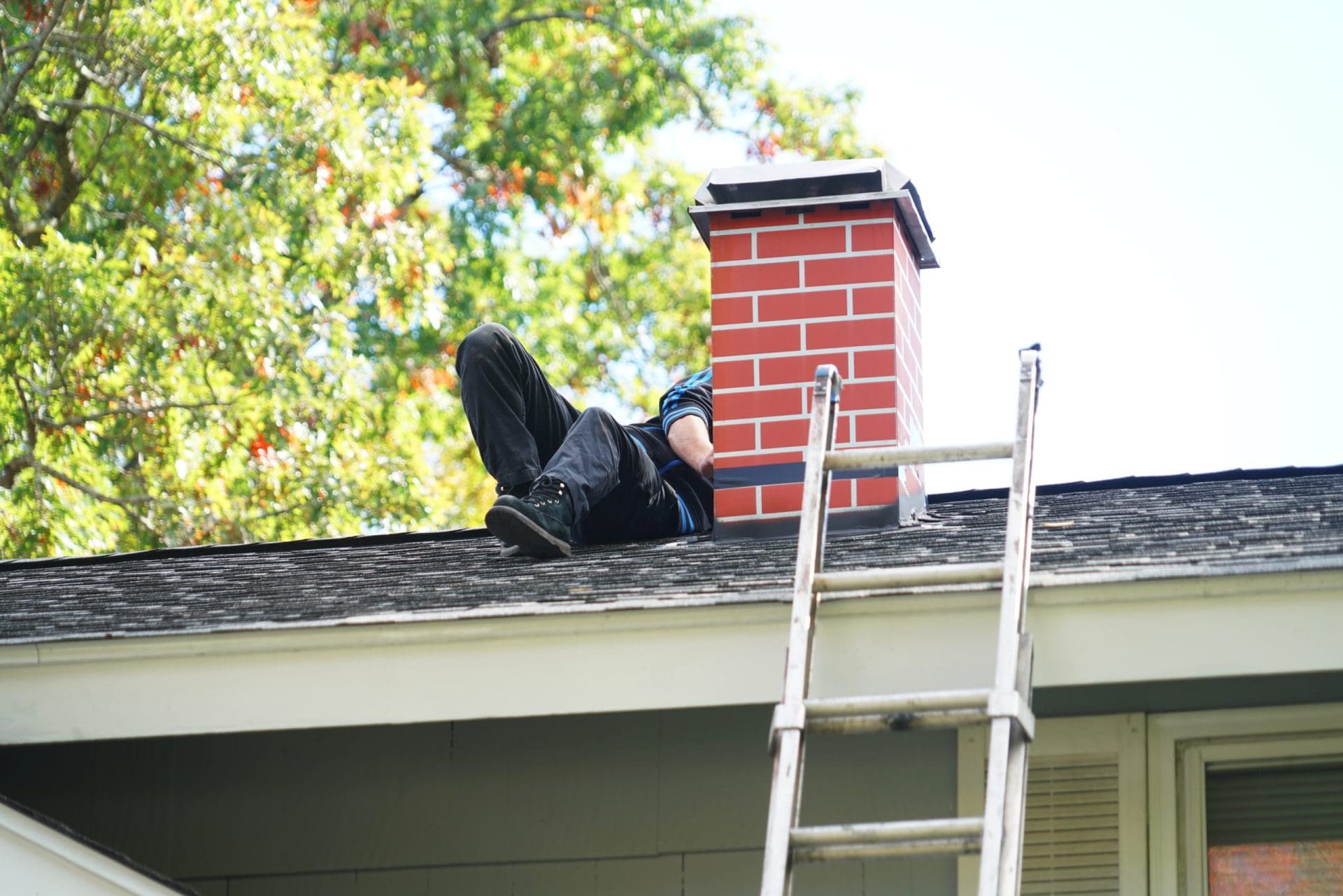 Consult with a Masonry Expert
Recognizing the significance of high-quality masonry is essential for safeguarding your home. Masonry plays a critical role in supporting walls, protecting against moisture intrusion, and helping maintain the stability of key structural elements. When masonry components such as brickwork, stone, mortar joints, or chimneys begin to show signs of wear, addressing them promptly can help preserve the overall integrity of your home.
A professional assessment can offer valuable insight into the current condition of your masonry and provide guidance on appropriate maintenance, repairs, or improvements. Identifying concerns early, such as deteriorating mortar, minor cracks, or moisture-related issues, can help homeowners better understand what steps may be needed to keep their masonry performing as intended.
If you are noticing changes in your home’s brickwork, foundation, chimney, or other masonry features, learning more about available masonry services can be a helpful first step toward protecting your property.
Visit Brad Smith Roofing
Visit the Brad Smith Roofing website or contact the team at 440-835-3377 to connect and learn more about how masonry services can help maintain and enhance your home.
FAQs About Masonry and Structural Integrity
1. How often should I inspect my masonry?
Regular inspections every few months can help identify issues early. After severe weather, it’s especially important to check for damage.
2. Can poor masonry affect my home’s safety?
Yes. Cracks, loose units, or structural weaknesses in masonry can compromise stability and pose safety risks.
3. What materials are best for durable masonry?
High-quality bricks, natural or manufactured stone, and concrete blocks are common choices. Matching mortar to the masonry type is essential.
4. Can I repair masonry issues myself?
Minor cosmetic repairs may be possible, but structural issues should be addressed by a professional to ensure safety and long-term durability.
5. Does masonry require special maintenance?
Basic maintenance includes inspecting for cracks, cleaning debris, and addressing moisture issues promptly.
6. How does masonry resist water damage?
Properly installed masonry with sealed joints and good drainage prevents moisture from penetrating walls and foundations.
7. Can masonry increase my home’s energy efficiency?
Yes. Dense masonry walls provide natural thermal insulation, reducing heat transfer and supporting energy efficiency.
8. What causes cracks in masonry?
Cracks can result from settling, shifting foundations, poor construction, or weather-related expansion and contraction.
9. Is masonry suitable for all climates?
Masonry is versatile and can be adapted to most climates, provided materials and installation techniques are appropriate.
10. When should I call a professional for masonry issues?
If you notice structural cracks, leaning walls, water damage, or persistent masonry deterioration, a professional assessment is recommended.

Stacey is a graduate of BGSU, where she graduated with a B.A. in Interpersonal Communication and a Minor in Marketing. Stacey’s focus of study was Business Management. Stacey has been with the Company since November of 1999, she became the Office Manager in 2003. Stacey now serves as the Vice-President for the Company. She has been a Member of the Rocky River Chamber of Commerce since 2016. Stacey and her brother, Drew Smith, continue to follow in their Father’s footsteps bringing new innovations, new programs, new products and new techniques to help the Company’s efficiency, safety and customer satisfaction.
