
A roof replacement is one of the most significant maintenance projects a homeowner may experience. While the process is handled by roofing professionals, preparation from the homeowner can help the project move more smoothly and reduce unnecessary stress during installation.
Understanding how to prepare for a roof replacement helps homeowners protect their property, maintain safety, and minimize disruptions during the project. From organizing your outdoor spaces to preparing your interior, a few thoughtful steps ahead of time can make a noticeable difference once installation begins.
 Key Takeaways
- Preparing the roof of your home before a replacement can help protect belongings and simplify the installation process.
- Clearing outdoor areas allows roofing professionals to access the roof safely and work efficiently.
- Interior spaces may experience vibrations, so securing fragile items is recommended.
- Communication with your roofing professional can help clarify expectations and timelines.
- Planning ahead helps homeowners maintain safety and reduce disruption during the project.
Understanding the Roof Replacement Process
Before focusing on preparation, it helps to understand what typically happens during a roof replacement. While the exact process may vary depending on the roofing system and property layout, most projects follow a general sequence.
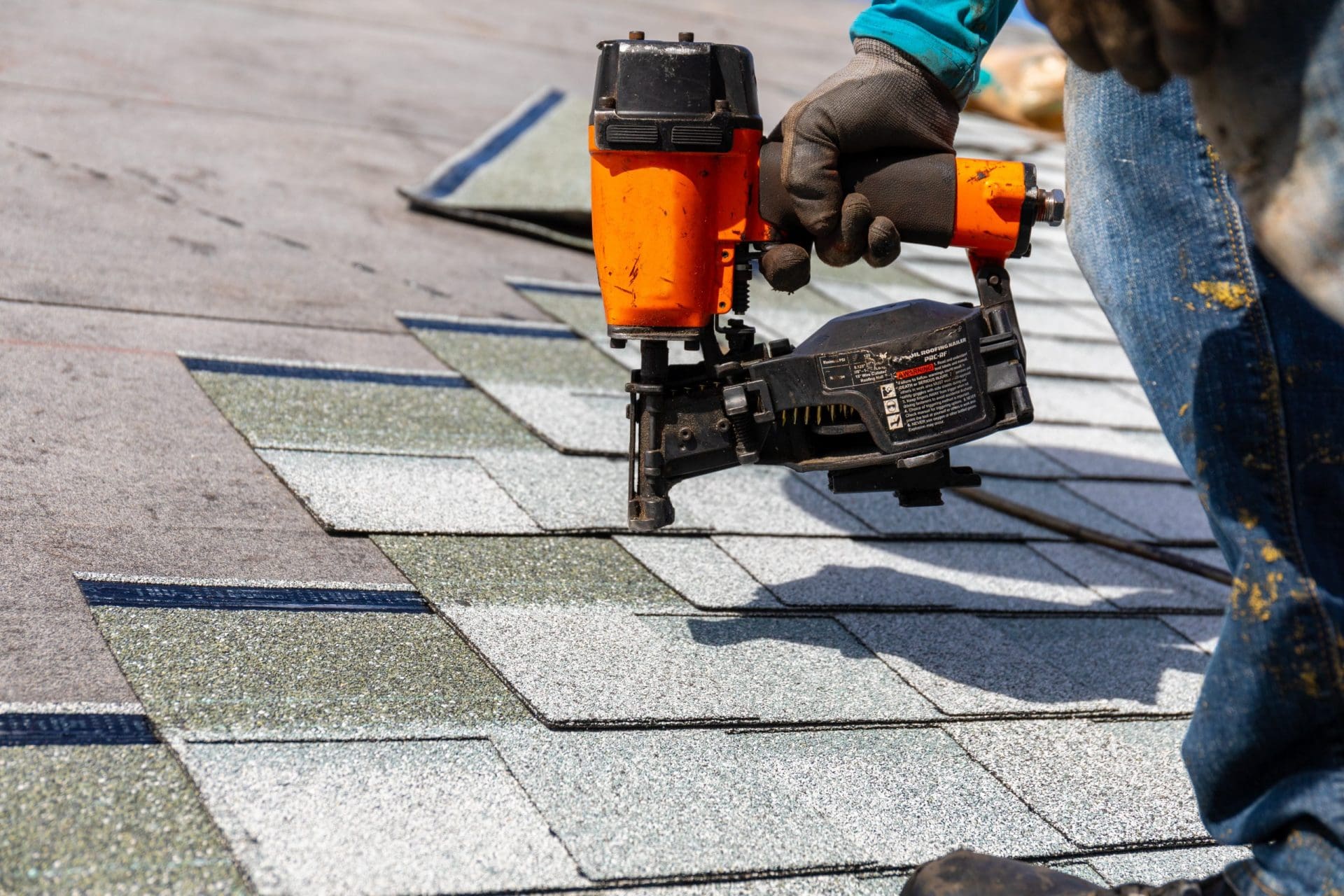
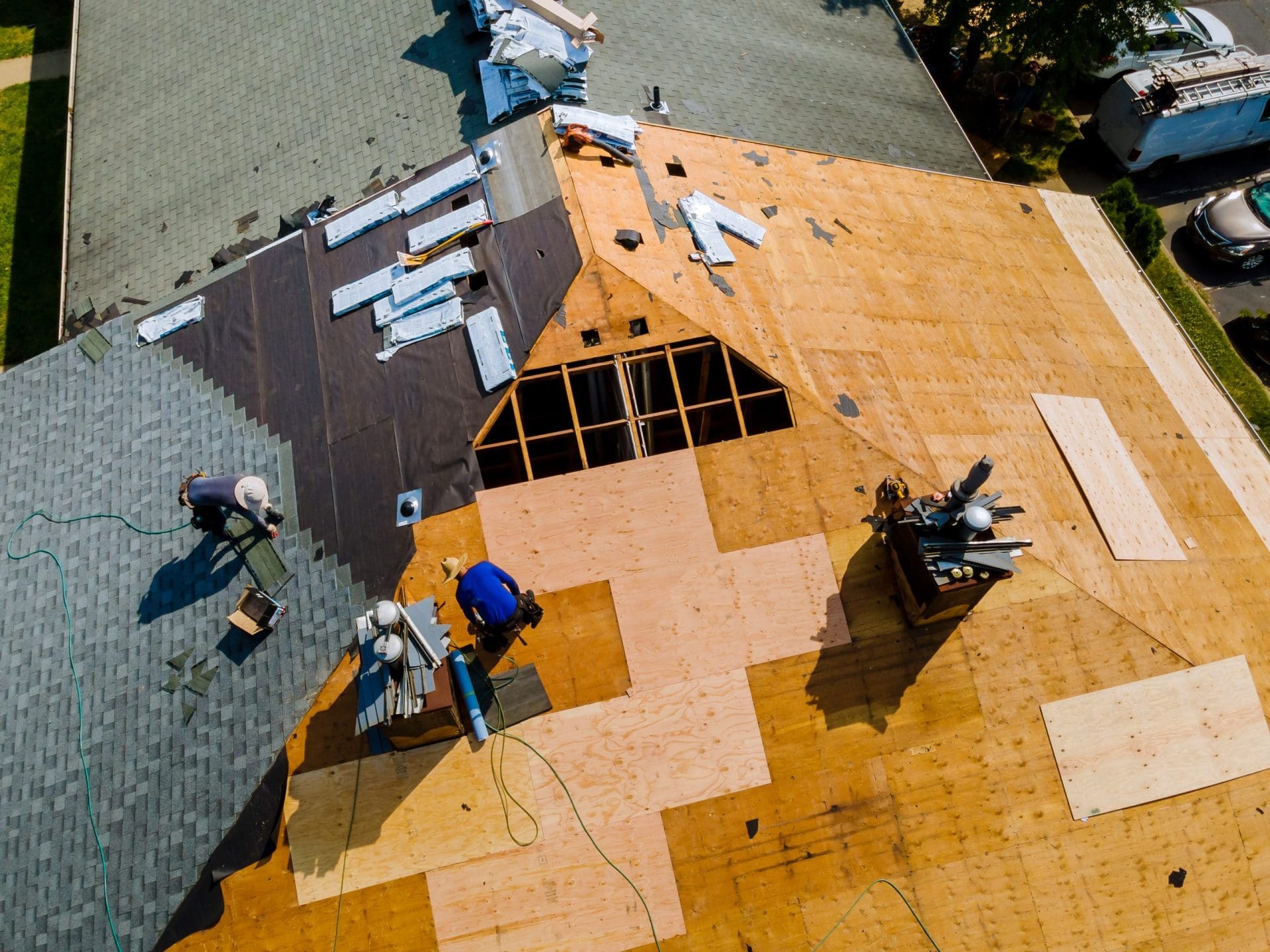
First, the existing roofing materials are removed. This stage may involve noise, vibrations, and debris as old materials are taken off the roof surface. Once the roof deck is exposed, the roofing team installs protective underlayment and prepares the structure for the new roofing materials.
After preparation is complete, the new roofing system is installed. This includes the primary roofing material along with components that help manage ventilation and water drainage.
Because roof replacement work occurs directly above living spaces, homeowners may notice vibrations or sound during the project. Preparing for these temporary disruptions can make the experience more manageable.
Preparing the Exterior of Your Home
The outdoor areas around your home play an important role in roof replacement preparation. Roofing professionals need space to move materials, position ladders, and safely dispose of debris.
Taking time to organize these areas beforehand helps protect outdoor belongings and allows crews to work more efficiently.
Move Vehicles and Equipment
Vehicles should be parked away from the driveway and areas surrounding the home. Roofing teams often use these spaces to stage materials and equipment during installation.
Moving vehicles ahead of time also protects them from dust, falling debris, or vibrations that could occur during the project.
Other outdoor equipment, such as grills or lawn tools, should also be relocated if they are positioned close to the house.
Protect Outdoor Furniture and Decorations
Patio furniture, potted plants, and decorative items should be moved away from the exterior walls of the home when possible.
During a roof renovation, debris and dust may fall around the property as old materials are removed. Clearing these items helps prevent accidental damage and allows roofing professionals to move freely around the structure.
If certain items cannot be moved easily, covering them with protective material can help shield them from dust.
Trim Branches Near the Roof
Tree branches that extend over or near the roof may limit access for roofing professionals.
Trimming back branches can create safer working conditions and help prevent interference during installation. This step may also reduce the amount of debris that could fall onto the new roofing materials later.
Preparing the Interior of Your Home
Although roof renovation work occurs outside, some preparation inside the home is helpful as well. Activities on the roof can create vibrations that travel through walls and ceilings.
These vibrations are usually temporary but may affect certain items inside the home.
Secure Fragile Items
Wall decorations, framed photos, mirrors, and shelves may shift slightly during roof restoration work.
Checking these items before installation begins can help prevent accidental damage. Removing fragile decorations from walls or shelves near the ceiling is often a simple precaution.
If you have items stored in an attic space, reviewing and securing them can also help reduce the risk of movement during the project.
Prepare the Attic
If your home has an accessible attic, it may be useful to check the space before the roof replacement begins.
Dust or small debris can occasionally fall through during the removal of old roofing materials. Covering stored items in the attic with protective sheets or tarps can help keep them clean during the project.
Ensuring the attic is organized also allows roofing professionals easier access if inspection or preparation steps require it.
Consider Noise and Temporary Disruptions
Roof replacement involves tools, movement, and activity directly above the home. Planning for this temporary noise can help homeowners maintain comfort throughout the project.
Some homeowners choose to plan activities outside the home while the work is underway. Others may designate a quieter area of the home if possible.
Taking these steps ahead of time can help make the installation period feel more manageable.
Communicating With Your Roofing Professional
Clear communication is an important part of preparing for a roof replacement.
Before the project begins, homeowners may benefit from discussing key details with their roofing professional. These conversations can help clarify the timeline, expectations, and steps involved in the installation process.
Some helpful topics to review include:
- When the project is expected to begin
- Areas of the property that should remain accessible
- Safety considerations for children or pets
- Where materials or equipment may be placed during the project
Understanding these details ahead of time helps homeowners feel more prepared and informed.
Planning for Safety During the Project
Roof renovation involves equipment, tools, and active work areas around the home. Creating a safe environment for family members and visitors is an important step in preparation.
Keep Children and Pets Away From Work Areas
Children and pets should remain indoors or away from areas where roofing work is taking place.
Construction equipment and debris can pose safety risks if individuals approach the active work zone. Establishing boundaries ahead of time helps reduce the chance of accidents.
Follow Guidance From Roofing Professionals
Roofing teams may provide specific instructions for homeowners regarding access points, safety precautions, or restricted areas.
Following this guidance can help maintain a safe and organized work environment during the project.
Short Homeowner Checklist: Preparing for a Roof Restoration
Homeowners can use the following checklist to stay organized before the project begins:
Exterior Preparation
- Move vehicles away from the driveway or garage
- Relocate outdoor furniture and decorative items
- Trim branches that extend near the roof
- Secure outdoor equipment near the house
Interior Preparation
- Remove or secure fragile wall decorations
- Check attic storage and cover items if needed
- Prepare for temporary noise or vibration
Communication and Safety
- Confirm scheduling details with your roofing professional
- Identify areas where materials may be placed
- Keep children and pets away from work areas
Using a checklist helps homeowners confirm that key preparation steps are complete before installation begins.
What to Expect on Installation Day
The day a roof renovation begins typically involves increased activity around the home. Roofing professionals may arrive with the materials, tools, and equipment needed for the project.
During the removal stage, old roofing materials are taken off the roof surface. This step can produce sound and vibrations that may be noticeable inside the home.
After removal, preparation, and installation of the new roofing system begins. Crews may move around the roof and surrounding areas as different components are installed.
Throughout the project, materials may be staged in designated areas near the home. Once installation is complete, the crew typically removes debris and equipment before leaving the property.
Understanding these steps ahead of time can help homeowners feel more comfortable with the process.
Get Guidance Before Your Roof Replacement Begins
If you are considering a roof renovation, speaking with a roofing professional can help clarify the preparation steps involved, explain what to expect during installation, and answer questions about getting your home ready for the project.
To learn more about preparing for a roof replacement, visit the Brad Smith Roofing website or contact the team at 440-835-3377 to connect and learn more.
Frequently Asked Questions
-
How long does replacing a roof take?
The timeline for replacing a roof can vary depending on the size and structure of the home, as well as the type of roofing materials being installed. A roofing professional can explain the expected timeline based on your property.
2. Will my attic need preparation before the roof restoration?
Checking the attic before installation is often recommended. Covering stored items can help protect them from dust or small debris that may occur during the removal stage.
3. Should I remove wall decorations before the project begins?
Removing or securing wall decorations can help prevent them from shifting due to vibrations caused by roofing work.
4. Can roofing work damage landscaping?
Roofing professionals typically work carefully around landscaping. However, moving plants or decorations away from the home can help reduce the risk of damage during installation.
5. Why is it important to clear the driveway?
The driveway is often used for staging equipment and materials during a roof renovation. Clearing the area helps crews move efficiently and safely.
6. What should I do with outdoor furniture?
Outdoor furniture and decorations should be moved away from exterior walls if possible to protect them from dust or debris during the project.
7. How can I prepare pets for the installation?
Pets should be kept indoors or away from the work area during the roof restoration to maintain safety and reduce stress from noise.
8. Will replacing a roof create a lot of noise?
Replacing a roof work involves tools and movement on the roof, which can produce noticeable noise inside the home. Preparing for this temporary disruption can help homeowners plan accordingly.
9. Who should I contact if I have questions before the project begins?
Homeowners can reach out to their roofing professional to discuss preparation steps, timelines, and any questions related to the roof replacement process.
10. Do I need to leave my home during a roof renovation?
Some homeowners choose to stay home, while others prefer to leave during the project due to noise. The decision depends on personal comfort and the level of activity occurring during installation.

Stacey is a graduate of BGSU, where she graduated with a B.A. in Interpersonal Communication and a Minor in Marketing. Stacey’s focus of study was Business Management. Stacey has been with the Company since November of 1999, she became the Office Manager in 2003. Stacey now serves as the Vice-President for the Company. She has been a Member of the Rocky River Chamber of Commerce since 2016. Stacey and her brother, Drew Smith, continue to follow in their Father’s footsteps bringing new innovations, new programs, new products and new techniques to help the Company’s efficiency, safety and customer satisfaction.
