
When homeowners think about protecting their property, the roof often gets most of the attention. That makes sense because the roof is the first barrier against rain, snow, wind, and sun. However, siding plays an equally important role in the overall defense of a home. In fact, siding and roof protection work together as part of the same exterior system. When siding is in good condition, it helps your roof perform better and helps protect the structure beneath both materials.
Understanding the connection between siding and roof protection can help homeowners see why exterior maintenance matters so much. Siding is not simply there for appearance. It acts as a shield that helps direct water away from the home, supports energy efficiency, reduces exposure to moisture, and helps prevent damage that can spread upward and inward. Without strong siding and roof protection, even a well-built home can become more vulnerable over time.
Below is a closer look at why siding matters, how it supports the roof, and why the relationship between siding and roof protection is so important for long-term home care.
Siding And Roof Protection
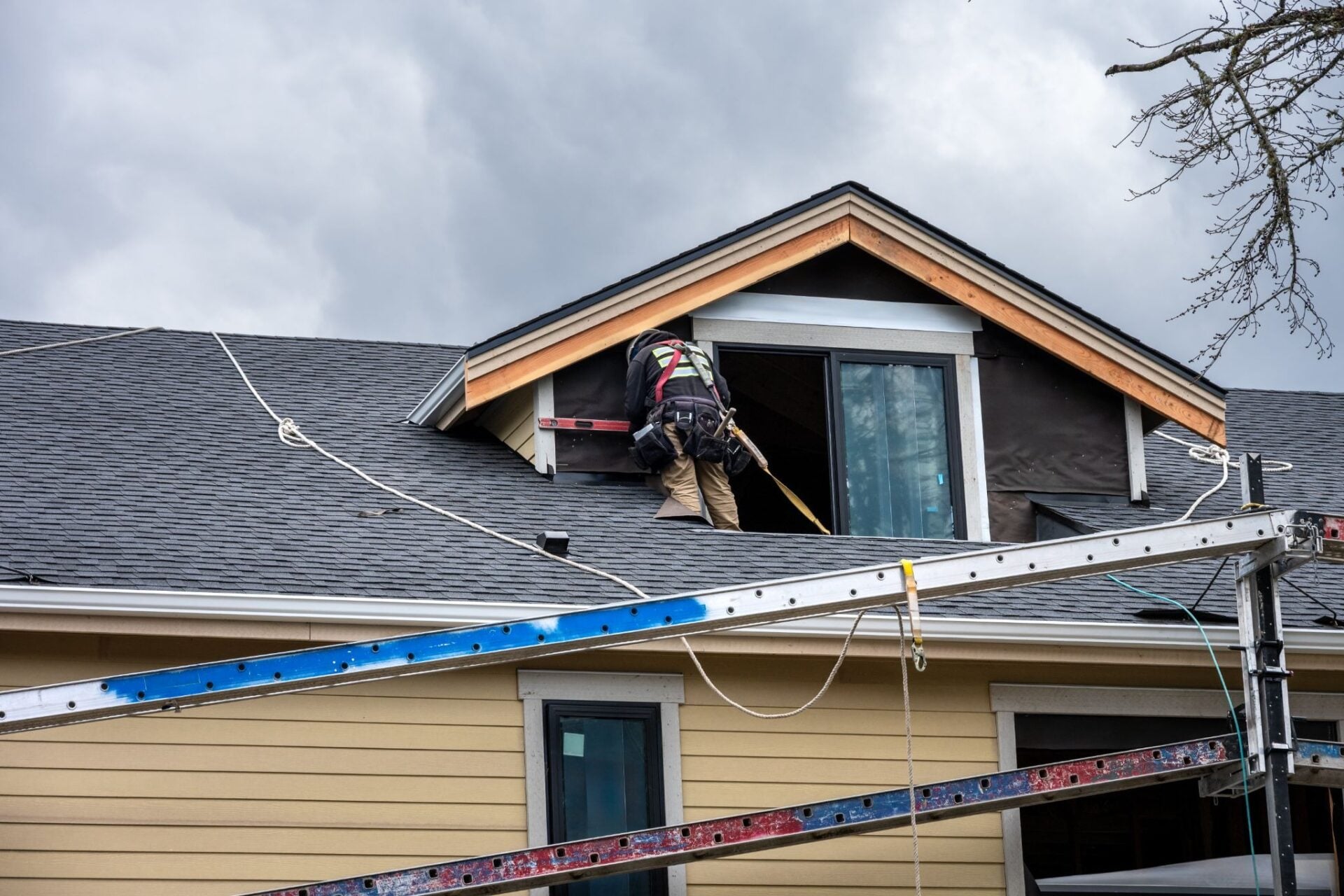
Your home’s exterior works like a system, not as separate pieces. The roof, gutters, flashing, soffits, fascia, and siding all worktogether to keep water and weather outside where they belong. That is why siding and roof protection should always be viewed as connected rather than independent.
Siding covers the walls of the home and helps prevent rain, wind-driven moisture, debris, and temperature extremes from reaching the underlying structure. If siding becomes loose, warped, cracked, or damaged, the home may become more exposed to water intrusion. Once moisture gets behind siding, it can affect sheathing, framing, insulation, and even nearby roofing components. This is one reason siding and roof protection matter so much in every season.
When exterior materials are working correctly, they help water move down and away from the structure. When one part fails, the stress on the other parts often increases. That is why homeowners should think about siding and roof protection as part of the same larger picture.
Siding Helps Manage Water Around the Roofline
One of the biggest reasons siding and roof protection are linked is water control. Rain does not only land on the roof. It also hits walls, trim, corners, and areas near the roofline. Siding helps channel that moisture downward so it does not linger where it can cause damage.
At roof-to-wall intersections, proper siding condition becomes especially important. These areas often rely on flashing and tight material connections to keep water from slipping into gaps. If siding is damaged or pulling away from the house, it can create opportunities for water to collect near vulnerable transitions. Over time, that can affect both wall materials and roofing components. This is where the importance of siding and roof protection becomes easy to see.
Good siding helps reduce the risk of moisture traveling where it should not. It supports drainage, protects wall assemblies, and limits the chance that water will reach roof decking edges, fascia boards, and other connected materials. In practical terms, siding and roof protection help the home shed water the way it was designed to.
Siding Protects Structural Components Beneath the Surface
Another reason siding and roof protection matter is that both systems help protect the wooden structure underneath the home’s exterior. Beneath the siding are important materials like sheathing, framing, house wrap, and insulation. If siding is compromised, moisture can eventually reach these layers and lead to rot, mold, or weakening of the structure.
This can also affect areas close to the roof. For example, if moisture damages wall framing near the upper portion of the home, it may influence the stability of trim boards, soffits, fascia, and transitions where roofing materials meet vertical surfaces. That is why siding and roof protection are so closely related. Damage in one area can create stress in another.
Homeowners sometimes think a siding problem is limited to appearance, but exterior damage often goes beyond what can be seen on the surface. When siding weakens, it may expose deeper materials to repeated moisture. Over time, this can reduce the home’s overall resilience. Strong siding and roof protection help keep the structural layers dry and better protected.
Siding Helps Support Energy Efficiency
While many people focus on leaks and weather exposure, siding and roof protection also play a role in comfort and energy performance. Siding adds a layer of defense that helps reduce drafts, heat transfer, and outside air infiltration. When siding is damaged or poorly sealed, unwanted air movement can become more likely.
The roof also influences energy performance through attic ventilation, insulation, and heat control. When homeowners think about siding and roof protection, they should remember that both systems contribute to how well the home regulates indoor temperature. If one part of the exterior envelope is compromised, the entire home may feel the effects.
Although siding alone does not determine energy efficiency, it supports the larger system that keeps indoor conditions more stable. This is another example of why siding and roof protection should not be viewed separately. Exterior materials that stay intact and well-maintained often help the whole home perform more effectively.
Siding Helps Defend Against Wind and Storm Exposure
Severe weather can test every part of a home’s exterior. Wind, hail, heavy rain, and debris do not affect only the roof. Siding can also take a direct hit. That is why siding and roof protection are both essential when thinking about storm resilience.
Strong siding helps reduce the chance that wind-driven rain will penetrate the wall system. It also helps protect the home from impact damage and can reduce how much exposure the structure experiences during a storm. If siding is already cracked, loose, or warped, bad weather may make that damage worse and allow more moisture to enter.
Storm damage often spreads in ways homeowners do not immediately notice. Water that gets behind siding may move downward, sideways, or into nearby trim and roofline components. This is another reason siding and roof protection deserve attention together. Exterior weaknesses rarely stay isolated for long.
Siding Supports the Roof by Protecting Soffits and Fascia Areas
Soffits and fascia are important parts of the roof edge. They help with ventilation, support gutters, and protect exposed parts of the roof structure. These areas sit right where siding and roof protection often overlap.
When siding near the eaves or gables becomes damaged, moisture may reach trim boards and roof-edge materials more easily. Over time, that can contribute to wood deterioration or create openings where pests and water may enter. On the other hand, well-maintained siding helps support the roof edge by keeping nearby materials drier and better protected.
This relationship is a key part of siding and roof protection. The walls of the home do not stop being important just because the roof is overhead. Both systems interact closely, especially around corners, transitions, and roof intersections.
Siding Helps Reduce Long-Term Moisture Problems
Moisture is one of the biggest threats to a home’s exterior. Even small amounts of repeated water exposure can gradually damage building materials. That is why siding and roof protection are so important for long-term prevention.
If water gets behind siding, it may not always show immediate signs indoors. It can remain hidden inside wall cavities or near trim and sheathing for long periods. In some cases, that hidden moisture can spread upward or affect areas where the roof and walls connect. This makes siding and roof protection important not just for visible damage, but for hidden risks as well.
Keeping siding in good shape helps reduce the chances of water intrusion becoming an ongoing issue. It also supports the roofing system by protecting surrounding components that help keep the home sealed. When homeowners understand the connection between siding and roof protection, they are often better able to spot why exterior upkeep matters.
Common Signs Siding May Be Affecting Protection
Homeowners do not need to be experts to notice possible warning signs. Some common clues that may point to concerns with siding and roof protection include cracked or loose siding panels, warped sections, peeling paint near trim, soft spots in exterior wood, stains on walls, mildew growth, and moisture near roof-to-wall intersections.
These signs do not always mean there is major damage, but they can suggest that the home’s protective exterior system is under stress. Because siding and roof protection are connected, visible siding issues may deserve attention before they contribute to larger concerns.
It is also helpful to pay attention after storms or during seasonal changes. Freeze-thaw cycles, heat, and heavy rain can all affect how exterior materials expand, contract, and wear over time. Monitoring both siding and roof protection can help homeowners stay proactive.
Why Appearance and Protection Go Together
Many people think of siding mainly as a design feature, but appearance and function often overlap. Siding that looks faded, loose, or damaged may also be less effective at performing its protective role. That is another reason siding and roof protection matter together.
A home’s exterior should do more than look finished. It should help direct water away, limit moisture intrusion, reduce weather exposure, and support the structure underneath. When siding is maintained, it helps preserve both the look and the protection of the property. In that sense, siding and roof protection contribute to both curb appeal and home performance.
The Bigger Picture for Homeowners
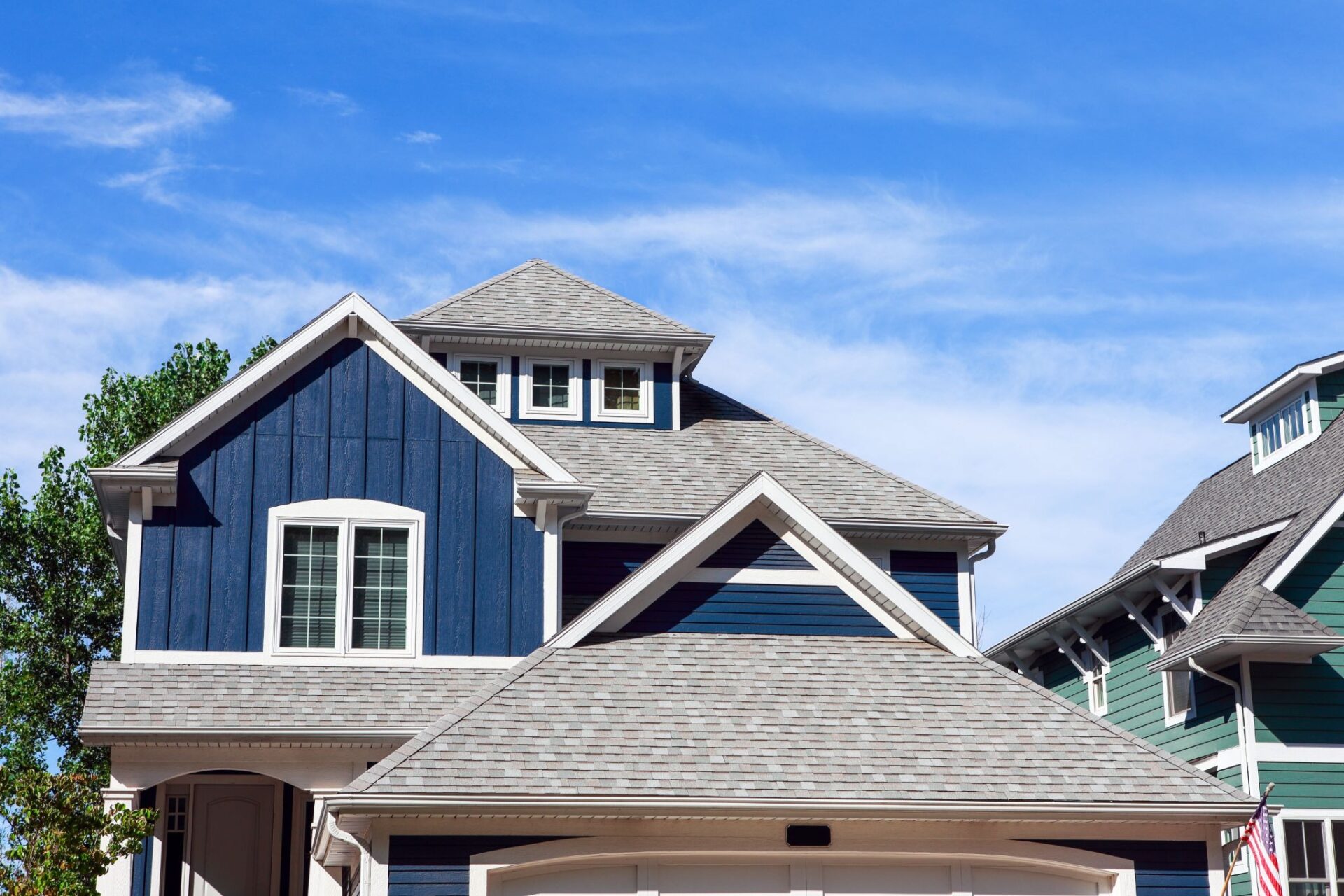
The connection between siding and roof protection is about more than one material or one repair. It is about understanding that the exterior of a home functions as a system. Roofs do not protect homes alone, and siding does more than cover walls. Together, these parts help defend against water, weather, temperature changes, and long-term wear.
When homeowners keep siding and roof protection in mind, they are more likely to notice how one part of the exterior can affect another. That awareness can lead to better maintenance decisions and a better understanding of how to care for the home over time.
Give Your Home the Protection It Deserves
If you have questions about your home’s exterior or want trusted help with roofing and siding concerns, Brad Smith Roofing is ready to assist. Contact Brad Smith Roofing today at 440-835-3377 to learn more about protecting your home with experienced, dependable service.
FAQs
-
Why is siding and roof protection important for a home?
Siding and roof protection are important because both systems work together to help shield the home from rain, wind, moisture, and long-term weather exposure.
-
How does siding and roof protection help control moisture?
Siding and roof protection help control moisture by directing water away from the home’s exterior surfaces and reducing the chance of water getting behind walls or near roofline areas.
-
Can damaged siding affect roof protection?
Yes, damaged siding can affect roof protection because moisture may enter through cracks, gaps, or loose panels and then reach nearby roofing components, trim, or structural materials.
-
What is the connection between siding and roof protection at roof-to-wall intersections?
At roof-to-wall intersections, siding and roof protection work together with flashing and other materials to help prevent water from entering vulnerable transition points.
-
Does siding and roof protection help with energy efficiency?
Yes, siding and roof protection can support energy efficiency by helping reduce drafts, unwanted air movement, and exposure that may affect indoor comfort and temperature control.
-
How do siding and roof protection support the home’s structure?
Siding and roof protection support the home’s structure by helping protect sheathing, framing, insulation, soffits, fascia, and other materials beneath the exterior surface from moisture damage.
-
Can storm damage impact both siding and roof protection?
Yes, storm damage can impact both siding and roof protection because wind, rain, hail, and debris can weaken exterior materials and create openings for water intrusion.
-
What are some warning signs related to siding and roof protection?
Warning signs related to siding and roof protection may include cracked or loose siding, warped panels, stains on walls, peeling paint near trim, mildew growth, and moisture near roof edges.
-
Why should homeowners think of siding and roof protection as one system?
Homeowners should think of siding and roof protection as one system because the home’s exterior works together to manage water, defend against weather, and protect underlying structural materials.
-
How does siding and roof protection help with long-term home care?
Siding and roof protection help with long-term home care by reducing moisture risks, supporting the roofline, protecting the structure, and helping the home stay better defended over time.

Stacey is a graduate of BGSU, where she graduated with a B.A. in Interpersonal Communication and a Minor in Marketing. Stacey’s focus of study was Business Management. Stacey has been with the Company since November of 1999, she became the Office Manager in 2003. Stacey now serves as the Vice-President for the Company. She has been a Member of the Rocky River Chamber of Commerce since 2016. Stacey and her brother, Drew Smith, continue to follow in their Father’s footsteps bringing new innovations, new programs, new products and new techniques to help the Company’s efficiency, safety and customer satisfaction.
