
Storms can leave homeowners dealing with stress, uncertainty, and visible damage in a very short amount of time. High winds, hail, heavy rain, falling branches, and flying debris can all affect a roof’s condition. When that happens, it is important to respond carefully and in the right order. Knowing the proper roof storm damage steps can help homeowners protect their property, reduce further issues, and make informed decisions after severe weather.
A damaged roof should never be ignored, even if the problem does not look major from the ground. Some storm-related issues are obvious right away, such as missing shingles or debris on the roof. Others can be harder to spot, including lifted materials, damaged flashing, punctures, or hidden moisture intrusion. That is why understanding the right roof storm damage steps matters so much. The actions you take immediately after a storm can help limit additional damage and support a smoother recovery process.
Start With Safety First
Before anything else, safety should be the top priority. One of the first roof storm damage steps is making sure everyone in the home is safe and that no one goes near dangerous areas unnecessarily. Storms can leave behind unstable tree limbs, slick surfaces, broken glass, exposed nails, and electrical hazards. A damaged roof may also be weaker than it appears.
If part of the ceiling is sagging, water is actively entering the home, or debris has fallen through the structure, keep people away from those areas. Do not climb onto the roof to inspect it yourself immediately after a storm. Wet shingles, weakened decking, and hidden structural problems can make the roof unsafe to walk on. Among all roof storm damage steps, prioritizing safety is always the most important.
Do a Ground-Level Visual Check
Once conditions are calm and it is safe to go outside, one of the next roof storm damage steps is to perform a basic visual inspection from the ground. Look for obvious signs of damage without climbing a ladder or getting onto the roof.
You may notice missing shingles, lifted edges, dented metal components, fallen branches, gutter damage, or pieces of roofing material scattered around the yard. Also check siding, windows, soffits, fascia, and downspouts, since storm damage to these parts of the exterior can sometimes suggest roof-related issues as well. A careful ground-level review is one of the smartest roof storm damage steps because it allows homeowners to identify visible warning signs while avoiding unnecessary risk.
Check the Inside of the Home
Some of the most important roof storm damage steps happen indoors. Roof damage is not always fully visible from the outside. After a major storm, it is a good idea to inspect ceilings, attic spaces, and upper walls for signs of water intrusion.
Look for damp insulation, water stains, peeling paint, bubbling drywall, dripping water, or musty odors. If the attic is accessible, check for moisture on wood framing or spots where daylight may be visible through the roof boards. Indoor warning signs can show that the roof was compromised even if the exterior damage looks limited. That is why interior inspection is one of the most valuable roof storm damage steps homeowners can take after bad weather.
Document Everything You Notice
One of the most practical roof storm damage steps is documenting visible damage as soon as possible. Take clear photos of anything you see from the ground and inside the home. Capture missing shingles, fallen limbs, dents, water stains, damaged gutters, soaked insulation, or debris that may have impacted the roof.
Try to take wide shots and close-up images so the overall situation and specific details are both visible. Written notes can also help. Record the date of the storm, the type of weather that occurred, and the areas of the home where damage or moisture appeared. Good documentation is one of the key roof storm damage steps because it creates a record of the roof’s condition immediately after the event.
Prevent Additional Interior Damage if It Is Safe
After documenting the problem, one of the next roof storm damage steps is to protect the inside of the home from additional moisture if water is entering. Move furniture, electronics, rugs, and valuable belongings away from affected areas. Use containers to catch dripping water, and place towels or plastic sheeting under vulnerable items if needed.
If ceiling water is pooling and bulging badly, that may indicate trapped moisture overhead. Homeowners should be cautious around these areas because wet ceiling material can become heavy and unstable. The goal of these roof storm damage steps is not to attempt a major repair on your own, but rather to reduce the chance of further interior damage while waiting for a professional evaluation.
Be Careful With Temporary Measures
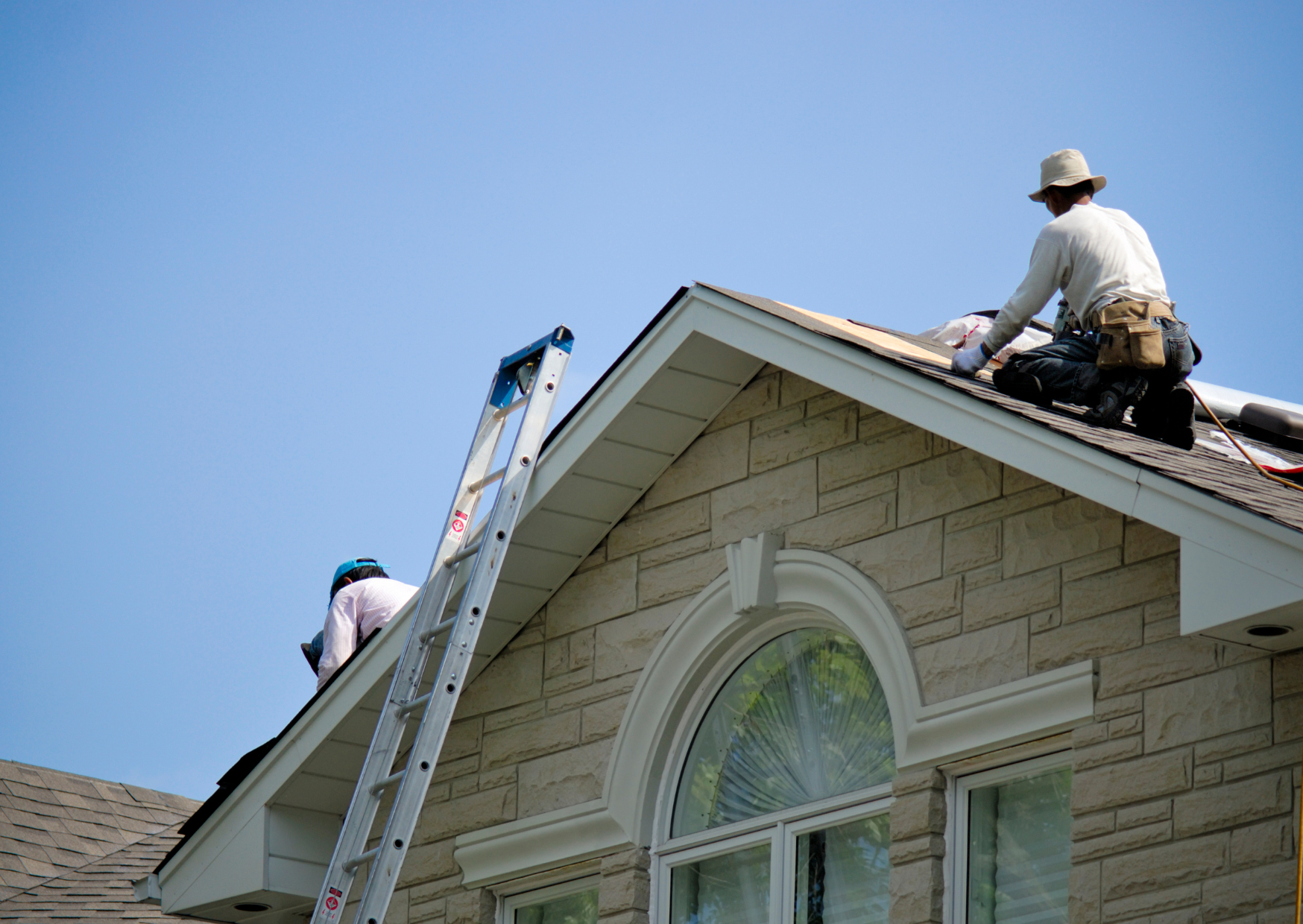
In some situations, homeowners may consider temporary steps like covering exposed areas with a tarp. While emergency protection can sometimes help limit additional damage, it should only be done if it is safe and approp
riate. One of the most overlooked roof storm damage steps is knowing when not to take matters into your own hands.
Climbing a damaged roof after a storm can be dangerous. Wet materials, hidden punctures, and unstable surfaces increase the risk of injury. Temporary protection is often better handled by professionals who have the proper safety equipment and experience. Among the most important roof storm damage steps is recognizing the difference between protecting your home and putting yourself in unnecessary danger.
Watch for Common Signs of Storm Damage
Understanding what storm damage often looks like can help homeowners follow the right roof storm damage steps more confidently. Common signs include missing shingles, bruised or dented shingles, cracked tabs, exposed underlayment, damaged flashing, loose gutters, roof debris, and water intrusion inside the home.
Hail may leave dents on metal vents, flashing, or gutters. Wind may loosen shingles or pull them away entirely. Falling branches may puncture roofing materials or damage the edges of the roof. Heavy rain can expose vulnerable areas and lead to leaks. Recognizing these warning signs supports the next roof storm damage steps and helps homeowners respond more effectively after a storm.
Avoid Ignoring Minor Damage
Sometimes storm damage does not appear dramatic at first. A few lifted shingles or a small water stain may not seem urgent, but even minor issues can lead to larger problems over time. That is why one of the smartest roof storm damage steps is taking all visible storm-related changes seriously.
A roof does not need to be torn open to suffer meaningful damage. Wind can break seal strips, hail can weaken shingle surfaces, and rain can enter through small openings. If these problems are left alone, moisture may spread into decking, insulation, framing, and ceiling materials. Early attention is one of the most valuable roof storm damage steps because it helps homeowners avoid greater complications later.
Keep an Eye on Gutters and Drainage
Storms often affect more than the roofing surface itself. Another of the useful roof storm damage steps is checking gutters and drainage components from the ground. Gutters may become bent, detached, clogged with debris, or filled with granules after a storm.
Drainage problems can make roof issues worse by allowing water to collect or overflow in places where it should be directed away from the home. If you notice gutter sections pulling away, downspouts blocked with storm debris, or roofing granules accumulating heavily, these can all support the need for further inspection. Looking at drainage is an important part of thorough roof storm damage steps after severe weather.
Monitor the Roof in the Days After the Storm
Not every issue becomes visible immediately. Some roof storm damage steps continue after the storm has passed. In the days following the event, it helps to keep watching for new water stains, musty smells, peeling paint, or changes in the attic or upper floors of the home.
A storm-damaged roof may allow moisture to enter slowly, meaning warning signs can appear later rather than right away. This is especially true after heavy rain followed by dry weather. Ongoing observation is one of the most practical roof storm damage steps because it helps catch delayed signs that might otherwise go unnoticed.

Understand Why Prompt Action Matters
Every homeowner hopes storm damage will be minor, but delaying action can allow moisture and structural stress to worsen. One reason the right roof storm damage steps matter so much is that roofing problems rarely remain isolated. Water can spread into insulation, ceiling materials, framing, trim, and even nearby wall systems.
Prompt attention does not mean rushing into unsafe repairs. It means responding with awareness, documenting conditions, protecting belongings, and taking visible signs seriously. Thoughtful roof storm damage steps can make the difference between a contained issue and a larger repair situation later on.
The Value of a Professional Assessment
One of the most important roof storm damage steps is arranging for a professional roof inspection after storm exposure, especially if there are visible signs of damage or interior moisture. A trained roofing professional can identify issues that homeowners may not be able to see safely from the ground.
Storm-related roof problems can include lifted shingles, punctures, flashing damage, weakened seal areas, and hidden leaks that are easy to miss without close inspection. A professional evaluation helps clarify the roof’s condition and the appropriate next steps. When homeowners understand the importance of professional guidance, they are following some of the most responsible roof storm damage steps available after severe weather.
Take Action After Storm Damage Before Problems Get Worse
If your home has been hit by severe weather and you are concerned about possible roof damage, Brad Smith Roofing is ready to help. Contact Brad Smith Roofing today at 440-835-3377 to get trusted support and professional roofing service for your home.
FAQs
1. What are the first roof storm damage steps homeowners should take?
The first roof storm damage steps should focus on safety. Homeowners should keep away from dangerous areas, avoid climbing onto the roof, and make sure everyone in the home is safe before checking for damage.
2. Why is safety the most important part of roof storm damage steps?
Safety is the most important part of roof storm damage steps because storms can leave behind unstable surfaces, fallen branches, electrical hazards, and weakened roofing materials that may not be safe to approach.
3. Can homeowners inspect storm damage from the ground?
Yes, one of the recommended roof storm damage steps is to do a ground-level visual check. Homeowners can look for missing shingles, fallen debris, gutter damage, and other visible warning signs without climbing onto the roof.
4. Should roof storm damage steps include checking inside the home?
Yes, roof storm damage steps should include checking ceilings, attic spaces, and upper walls for water stains, damp insulation, peeling paint, dripping water, or musty odors that may suggest a leak.
5. Why is documenting damage part of roof storm damage steps?
Documenting damage is part of roof storm damage steps because photos and written notes can help create a clear record of what happened after the storm and what areas of the home were affected.
6. What are common signs that support roof storm damage steps?
Common signs include missing shingles, cracked roofing materials, dents on metal components, damaged flashing, fallen branches, granules in gutters, ceiling stains, and active water intrusion inside the home.
7. Are temporary measures included in roof storm damage steps?
Temporary measures may be included in roof storm damage steps if they can be done safely, such as moving belongings away from leaks or placing containers under dripping water. Risky roof access should be avoided.
8. Why should minor damage still be taken seriously in roof storm damage steps?
Minor damage should still be taken seriously in roof storm damage steps because even small openings or lifted shingles can allow moisture to enter and lead to larger problems over time.
9. Do roof storm damage steps include checking gutters and drainage?
Yes, roof storm damage steps should include checking gutters and downspouts from the ground for debris, detachment, dents, or granule buildup that may point to roofing problems.
10. Why is a professional inspection important after following roof storm damage steps?
A professional inspection is important after following roof storm damage steps because some storm-related problems, such as hidden leaks, flashing damage, or lifted shingles, may not be fully visible without a closer evaluation.

Stacey is a graduate of BGSU, where she graduated with a B.A. in Interpersonal Communication and a Minor in Marketing. Stacey’s focus of study was Business Management. Stacey has been with the Company since November of 1999, she became the Office Manager in 2003. Stacey now serves as the Vice-President for the Company. She has been a Member of the Rocky River Chamber of Commerce since 2016. Stacey and her brother, Drew Smith, continue to follow in their Father’s footsteps bringing new innovations, new programs, new products and new techniques to help the Company’s efficiency, safety and customer satisfaction.
