
When most people think about roof trouble, they picture a winter storm or a heavy downpour. Summer rarely gets the same attention, yet the long, hot stretch of an Ohio summer can be just as hard on your roof. Day after day of heat and strong sunlight slowly wears down your shingles, and by the time the damage shows, it has often been building for a while. That slow pace is exactly why summer roof damage is worth catching during residential roof repair and maintenance rather than after a leak, since spotting it early is what protects your roof and gets the most out of it before you need a replacement.
Why Summer Heat is Hard on Your Roof
Your roof takes the full force of the sun every single day, and in summer that means hours of direct heat and ultraviolet exposure. While a quality roof is built to handle it, that constant exposure adds up. A few different forces are at work when the temperature climbs.
Heat, UV, and the Slow Breakdown of Shingles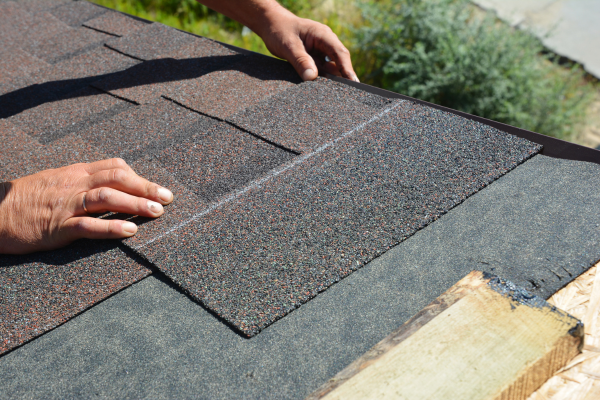
Asphalt shingles rely on a layer of protective granules and the asphalt underneath to keep water out and stand up to the weather. Over time, ultraviolet rays break down the oils in the asphalt, leaving shingles drier and more brittle. Those protective granules can loosen and wash away, which exposes the asphalt to even more sun. Once that cycle starts, shingles age faster and lose some of their ability to protect your home. This kind of gradual wear is one of the most common forms of summer roof damage, and it is easy to miss because it happens so slowly.
Expansion, Contraction, and Temperature Swings
Roofing materials expand when they heat up during the day and contract as they cool at night. That constant movement, repeated over an entire summer, puts stress on shingles, seams, and flashing. Cracks can form, seals can weaken, and small gaps can open up where water might later sneak in. Sudden temperature changes make it worse. When a summer storm rolls in and quickly cools a roof that was baking in the sun, the rapid shift adds even more stress to materials that are already working hard.
Trapped Heat in Your Attic
Some of the worst summer roof damage starts underneath the surface. When an attic is not properly ventilated, heat builds up and has nowhere to go, pushing attic temperatures far above what is comfortable. That trapped heat bakes your roof from below, speeding up the aging of your shingles and even warping the wood decking they sit on.
Common Signs of Summer Roof Damage
You do not have to climb onto the roof to spot trouble. Many signs of summer roof damage are visible from the ground or from inside your home. Knowing what to look for helps you catch problems while they are still small.
- Shingles that are curling, cupping, or lifting at the edges.
- Cracked, split, or blistered shingles across the surface.
- Bald spots where the protective granules have worn away.
- Granules collecting in gutters or at the bottom of downspouts.
- Faded, dry, or brittle looking shingles.
- New stains or signs of moisture on your ceilings.
If you notice several of these at once, your roof may be showing the effects of a long, hot season, and it is worth having a closer look.
How to Protect Your Roof from Summer Roof Damage
The good news is that a few simple habits go a long way toward limiting summer roof damage. None of them require major work, and together they help your roof hold up through the hottest months.
Keep Your Attic Cool and Well Ventilated
Since trapped heat does so much damage from below, ventilation is one of the most valuable things you can focus on. Make sure your soffit and ridge vents are clear and working so hot air can escape instead of building up. Good airflow helps regulate the temperature in your attic and eases the heat load on your shingles.
Stay on Top of Inspections and Repairs
The sooner you catch a problem, the easier it usually is to fix. A professional inspection can find early wear that is hard to see from the ground, especially after a run of extreme heat or a summer storm.
Think About Heat and Your Roofing Materials
If your roof is older or you are already planning a replacement, it is worth considering how different materials handle the sun. Lighter colored and reflective options absorb less heat than dark surfaces, which can ease some of the strain during summer.
A Quick Summer Roof Damage Checklist
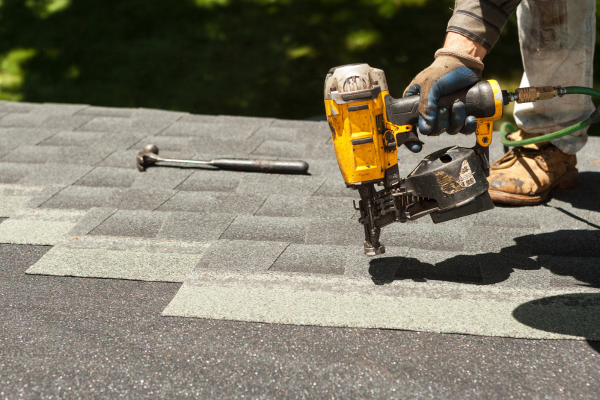
Here is a simple checklist you can use to stay ahead of the heat:
- Look over your shingles from the ground for curling, cracking, or bald spots.
- Check gutters and downspouts for loose granules washing off the roof.
- Confirm that attic vents are clear and airflow is not blocked.
- Watch your ceilings for any new stains or signs of moisture.
- Note anything that looks worn and schedule a professional inspection.
- Take care of small repairs before fall and winter weather arrives.
Running through this summer roof damage checklist a couple of times each season makes it easy to catch small issues early.
When to Call a Professional
A lot of this comes down to paying attention, but some situations call for a trained eye. If you spot widespread damage, notice a leak, or simply are not sure how much wear your roof has taken, it is worth having a professional take a look. Climbing onto a roof is risky, and a qualified roofer can safely assess the condition, spot problems that are easy to miss, and recommend the right next step. There is no harm in confirming that your roof is in good shape before the seasons change.
Protect Your Roof Before the Next Heat Wave
A little attention now can save you from bigger problems down the road, especially when it comes to summer roof damage. If your roof has weathered a hot Ohio summer and you want to be sure it is holding up, Brad Smith Roofing is here to help homeowners across Northeast Ohio. Our experienced roofing team can inspect your roof, explain exactly what they find, and handle any repairs your roof needs. To get started, contact us at 440-835-3377 to schedule an inspection before the seasons turn. Taking care of your roof today helps it keep protecting your home.
Frequently Asked Questions
1. What is Summer Roof Damage?
Summer roof damage refers to the wear and tear a roof takes on during the hottest months, mainly from heat, sunlight, and ultraviolet rays. It shows up as curling shingles, cracks, blistering, and granule loss, and it often builds slowly over the season.
2. Can Summer Heat Really Shorten a Roof’s Lifespan?
Yes. Constant heat and ultraviolet exposure gradually break down asphalt shingles, drying them out and making them brittle. Combined with daily expansion and contraction, this wear can add up and shorten how long your roof lasts before it needs replacing.
3. What are the Most Common Signs of Summer Roof Damage?
The most common signs include curling or cupping shingles, cracks and blisters, bald spots where granules have worn away, and granules collecting in your gutters. Faded, dry looking shingles and new ceiling stains can also point to a roof that has taken a beating from the heat.
4. How Does Attic Ventilation Affect My Roof in Summer?
Attic ventilation has a big impact. When hot air gets trapped in a poorly ventilated attic, it bakes the roof from below and speeds up the aging of your shingles. Good airflow through intake and exhaust vents lets that heat escape and eases the strain on your roof.
5. Do Dark Roofs Take More Heat Damage?
Darker roofs absorb more heat than lighter, reflective surfaces, so they can run hotter in direct sun. That extra heat can add to the wear your shingles experience. If you are replacing your roof, lighter or reflective materials are worth considering for warmer months.
6. How Often Should I Inspect My Roof During Summer?
A good habit is to look over your roof from the ground a few times during the summer, plus a closer check after any strong storm. Catching small issues early makes them easier to handle and helps you stay ahead of bigger problems.
7. Can I Prevent Summer Roof Damage Myself?
You can do a lot to limit summer roof damage on your own, such as keeping attic vents clear, watching for early warning signs, and scheduling regular inspections. Anything that involves climbing onto the roof or making repairs is safer left to a professional.
8. What is Granule Loss and Why Does it Matter?
Granules are the small, sandy particles on the surface of asphalt shingles that protect them from the sun. When they wear away, the asphalt underneath is exposed to more heat and ultraviolet light, which speeds up aging. Finding granules in your gutters is a common sign this is happening.
9. Should I Repair Summer Roof Damage Right Away?
It is usually best to address damage sooner rather than later. Small problems tend to grow, and a minor issue in summer can become a leak once fall and winter weather arrive. Prompt repairs help you avoid larger and more disruptive work later.
10. When Should I Check My Roof for Summer Heat Damage?
Late summer and early fall are ideal times to check your roof, after it has taken on the full heat of the season but before colder weather sets in. That timing gives you a chance to handle any repairs while conditions are still mild.

Stacey is a graduate of BGSU, where she graduated with a B.A. in Interpersonal Communication and a Minor in Marketing. Stacey’s focus of study was Business Management. Stacey has been with the Company since November of 1999, she became the Office Manager in 2003. Stacey now serves as the Vice-President for the Company. She has been a Member of the Rocky River Chamber of Commerce since 2016. Stacey and her brother, Drew Smith, continue to follow in their Father’s footsteps bringing new innovations, new programs, new products and new techniques to help the Company’s efficiency, safety and customer satisfaction.
