
An attic is supposed to stay close to the outdoor temperature, and in Northeast Ohio winters, that is harder than it sounds. Warm air rises into the attic from the living space below, and if it cannot escape, it collects. Roof ventilation problems are often easiest to spot in the coldest months, which is why a residential maintenance program visit in winter can be more revealing than one in July.
Can Roof Ventilation Problems Cause Winter Roof Issues?
Yes. Ventilation controls two things that matter in winter, attic temperature and attic moisture, and both affect what happens on the roof surface above. A ventilation system works by letting cool outside air enter low on the roof, usually at the soffits, and letting warm moist air leave high, usually at a ridge or roof vent. When that airflow is blocked or unbalanced, heat and humidity stay in the attic.
The consequences show up as uneven roof temperatures, condensation on the underside of the sheathing, and conditions that favor ice formation at the roof edge. None of these are caused by the shingles. They originate inside the attic, which is why roof ventilation problems can be difficult to diagnose from the outside alone.
How Attic Heat Builds Up
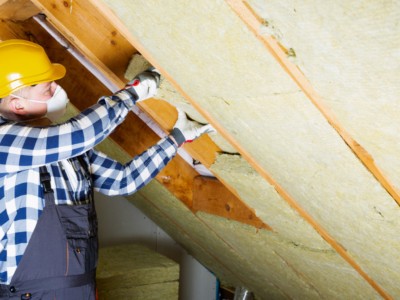
Heat enters an attic from the house below through gaps around light fixtures, plumbing stacks, attic hatches, and ductwork, and through insulation that has thinned or shifted. In summer, that heat adds to an already hot space. In winter it creates a temperature difference between the attic and the outside air that the ventilation system is supposed to manage.
When the attic is warmer than it should be, the roof deck above it warms too, and that is where roof ventilation problems start to show on the roof surface. That matters because a roof surface at an uneven temperature behaves differently under snow than one that stays uniformly cold. Insulation and airflow are closely linked, so people usually evaluate them together rather than separately.
Moisture and Condensation
Every household generates moisture. Showers, cooking, laundry, and simply breathing release water vapor, and warm air carries more of it than cold air does. When that warm moist air reaches a cold attic surface, the vapor condenses into liquid water on the underside of the sheathing, on nail points, and on framing.
Condensation is one of the clearer signs of roof ventilation problems because it appears where no leak could explain it. Frost on nail tips, damp sheathing with no corresponding roof damage above, or water dripping during a thaw after a cold stretch all point toward trapped humidity rather than water entering from outside.
What Persistent Moisture Can Do
Sustained dampness from roof ventilation problems can lead to mold growth on wood surfaces, degrade insulation performance when it becomes wet, and contribute to deterioration of the sheathing over time. Wet insulation is a particular issue because it loses effectiveness, which allows more heat into the attic and makes the underlying condition worse.
Uneven Roof Temperatures and Ice Formation
Ice dams form when snow melts on the upper portion of a roof and refreezes near the colder eave, creating an ice ridge that blocks drainage. Water then backs up behind that ridge and can work under the shingles. The melting is driven by heat escaping from the attic, which is why ventilation and insulation are central to the discussion.
Not every ice dam traces to the attic, since sun exposure and weather patterns contribute as well. Still, roof ventilation problems are among the conditions most frequently examined when ice dams keep returning to the same roof year after year. Understanding how ice dams form and how to prevent them makes the connection easier to see.
Common Ventilation Shortfalls
Several situations create roof ventilation problems, and most are not visible without going into the attic.
- Soffit vents blocked by insulation pushed into the eaves during installation or later work.
- Intake and exhaust that are not balanced, so air cannot move through the space.
- Bathroom or kitchen exhaust fans venting into the attic instead of outside.
- Painted over, screened, or debris clogged vent openings.
- Mixed exhaust types on one roof plane that work against each other.
- Additions or finished attic spaces that interrupted an original airflow path.
Older homes see these issues often because ventilation standards changed over the decades and because renovations rarely revisit the attic airflow design. That is one reason fall roof maintenance for older homes tends to include an attic look rather than a roof surface check alone.
Signs Worth Noticing in Winter
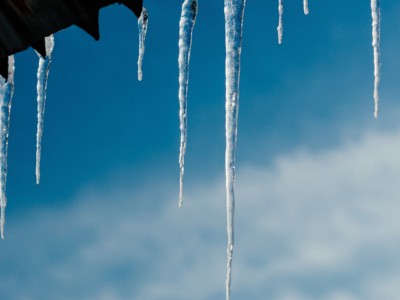
Winter conditions make several indicators easier to see. Icicles along the gutter line, especially heavy or recurring ones. Snow that melts off part of the roof while remaining on other sections. Frost or moisture on the underside of the roof sheathing. An attic that feels warm or stuffy on a cold day. Musty odors on the upper floor. Staining on attic framing with no corresponding damage on the roof above.
Any one of these is worth reporting. Together they often indicate roof ventilation problems rather than a defect in the roof covering, and the distinction matters because replacing shingles does not resolve an airflow issue underneath them.
When a Professional Assessment Makes Sense
An assessment for roof ventilation problems is appropriate when ice dams recur, when attic moisture is visible, when a roof is being replaced, or when a home has been renovated in a way that changed the attic. Also evaluate ventilation when insulation is added, since new insulation can block soffit vents if intake baffles aren’t maintained.
Attic inspection is not a comfortable do-it-yourself task. Attics have limited walking surfaces, exposed wiring, and insulation that conceals framing, and in winter the conditions are worse. A professional roof assessment covers the attic, the venting, and the roof surface together, which is the only way to confirm whether roof ventilation problems are behind what a homeowner is seeing.
Winter Ventilation Checklist
Use this as a starting point when checking your home for roof ventilation problems.
- Look at the roofline after a snowfall and note uneven melting patterns.
- Watch for heavy or repeated icicle formation along the gutters.
- Check whether the attic feels noticeably warm on a cold day.
- Look for frost, damp wood, or staining on the underside of the sheathing.
- Confirm that bathroom and kitchen fans vent outside rather than into the attic.
- Check that insulation is not pressed into the soffit vent openings.
- Note musty odors or unexplained humidity on upper floors.
- Photograph what you find and record the date and weather conditions.
- Schedule a professional assessment rather than guessing at the cause.
Talk to Us About Your Roof
If your roof is shedding snow unevenly or your attic shows moisture you cannot explain, Brad Smith Roofing can take a look. Our team provides residential roofing services that include inspections, leak detection, repairs, and routine maintenance, so the roof and the space beneath it can be assessed together. Call us at 440-835-3377 or contact us on our website to schedule an inspection.
Frequently Asked Questions
1. What Does Roof Ventilation Actually Do?
It moves outside air through the attic, with cool air entering low at the soffits and warm moist air leaving high at the ridge or roof vents. That airflow manages attic temperature and humidity.
2. Why Does Ventilation Matter More in Winter?
The temperature gap between a heated house and cold outdoor air is largest in winter, so trapped heat and moisture have the most noticeable effects on the attic and the roof surface above it.
3. Can Poor Ventilation Cause Ice Dams?
It can contribute. Heat escaping into the attic warms parts of the roof deck, which melts snow that then refreezes at the colder eave. Weather and sun exposure play a role as well.
4. Is Attic Condensation the Same as a Roof Leak?
No. A leak brings water in from outside, while condensation forms when warm humid indoor air meets cold attic surfaces. They can look similar indoors but have very different causes and solutions.
5. Can Insulation Block Ventilation?
Yes. Insulation pushed into the eaves can cover soffit vents and stop intake airflow, which is why baffles are used to keep a clear channel between the insulation and the roof deck.
6. Should Bathroom Fans Vent Into the Attic?
No. Exhaust fans should discharge outside the building. Venting into an attic introduces a steady source of warm, humid air directly into the space that ventilation is meant to keep dry.
7. How Do I Know if My Attic Is Properly Ventilated?
Visible symptoms such as frost, dampness, or uneven snow melt suggest a problem, but confirming adequate intake and exhaust requires an inspection of the attic and the roof together.
8. Does Adding More Vents Always Help?
Not necessarily. Intake and exhaust need to be balanced, and mixing certain exhaust types on one roof plane can disrupt airflow rather than improve it. The existing system should be evaluated first.
9. Are Older Homes More Likely to Have Ventilation Issues?
They often are. Ventilation practices changed over the decades, and renovations, added insulation, or finished attic spaces can interrupt an airflow path that once worked as designed.
10. What Should I Do if I See Frost in My Attic?
Photograph it, note the outdoor conditions at the time, and avoid disturbing insulation or walking on unsupported surfaces. Then contact a roofing professional for an assessment.

Stacey is a graduate of BGSU, where she graduated with a B.A. in Interpersonal Communication and a Minor in Marketing. Stacey’s focus of study was Business Management. Stacey has been with the Company since November of 1999, she became the Office Manager in 2003. Stacey now serves as the Vice-President for the Company. She has been a Member of the Rocky River Chamber of Commerce since 2016. Stacey and her brother, Drew Smith, continue to follow in their Father’s footsteps bringing new innovations, new programs, new products and new techniques to help the Company’s efficiency, safety and customer satisfaction.
