
Chimneys are designed to endure various weather conditions, yet they remain among the most exposed parts of a house. In contrast to indoor systems that are shielded from outside elements, a chimney is consistently faced with wind, rain, fluctuating temperatures, snow, and seasonal variations. With time, this constant exposure can gradually compromise masonry materials, flashing components, and structural integrity.
Damage from the weather to a chimney may start off in a subtle manner, but it can ultimately result in structural decline, moisture infiltration, and visible damage to the exterior if not promptly addressed. Gaining an understanding of how weather impacts chimneys enables homeowners to identify early warning signs and take measures before minor issues evolve into more serious problems.
Professional chimney repair services play an important role in maintaining chimney durability and preventing weather-related deterioration. Regular inspections and timely maintenance help ensure the chimney continues to function as a stable and reliable part of the home’s exterior structure.
 Key Takeaways
- Chimneys are highly exposed to weather conditions, making them vulnerable to gradual wear and damage.
- Rain, snow, wind, and temperature fluctuations can weaken masonry materials and structural components.
- Moisture intrusion is one of the most common causes of chimney deterioration.
- Early identification of masonry damage can help prevent larger structural concerns.
- Professional chimney repair services help maintain structural integrity and protect the home.
Why Chimneys Are Vulnerable to Weather Damage
A chimney extends above the roofline and is constantly exposed to environmental conditions. While masonry materials are designed for durability, continuous weather exposure can gradually affect their stability.
Several parts of a chimney may be affected by weather, including:
- Brick and mortar joints
- Chimney crown or cap area
- Flashing where the chimney meets the roof
- Exterior masonry surfaces
- Internal flue components
When weather-related wear begins, it often appears in small areas first. Over time, these issues can spread if maintenance or repairs are delayed.
Understanding how different weather conditions impact chimneys helps homeowners recognize the need for chimney repair services before deterioration progresses.
Rain and Moisture Exposure
Rain is one of the most common sources of chimney damage. Although masonry is strong, it remains porous and capable of absorbing moisture.
How Moisture Affects Masonry
When rainwater repeatedly contacts brick and mortar surfaces, moisture may penetrate the masonry. Over time, this can lead to:
Gradual weakening of mortar joints
Surface deterioration of brick
Interior moisture buildup within the chimney structure
If moisture continues to enter the masonry, it can create long-term damage that requires professional chimney repair services to restore structural stability.
Signs of Moisture Damage
Homeowners may notice visible changes in the chimney exterior when moisture exposure begins to affect masonry materials. Common signs include:
Crumbling mortar joints
Staining on chimney surfaces
Flaking or chipping bricks
Damp areas near the chimney structure
Routine inspections help identify these signs early and allow repair work to address the affected areas.
Freeze and Thaw Cycles
Seasonal temperature changes can significantly impact chimney masonry. When moisture becomes trapped within brick or mortar, temperature shifts can cause expansion and contraction.
Expansion and Contraction of Moisture
When water inside masonry freezes, it expands. As temperatures rise again, the ice melts and the masonry contracts. Repeated cycles of freezing and thawing may gradually weaken the materials.
Over time, this process can cause:
Cracking in brick surfaces
Separation between mortar joints
Surface scaling or flaking
Progressive masonry deterioration
Chimney repair services often address damage caused by freeze-thaw cycles by repairing mortar joints and restoring affected masonry areas.
Snow and Ice Accumulation
Snow and ice buildup can also contribute to chimney wear. During colder months, snow may accumulate on the chimney crown and surrounding roof surfaces.
Impact of Snow and Ice
As the snow melts, water flows across the chimney surface. If drainage pathways are obstructed or flashing becomes compromised, moisture may enter areas where the chimney meets the roof.
Ice accumulation may also place stress on masonry components and flashing materials.
Potential issues include:
Moisture entering the roof flashing
Cracks forming in chimney crowns
Deterioration of exposed mortar joints
Chimney repair services can evaluate these areas to determine whether structural repairs or sealing work may be necessary.
Wind Exposure and Structural Stress
Wind is another environmental factor that can affect chimney stability over time. High winds place pressure on structures that extend above the roofline, including chimneys.
How Wind Impacts Chimneys
Wind-driven rain can force moisture into small cracks or gaps in masonry surfaces. Over time, this may increase moisture penetration and lead to further deterioration.
In addition, strong winds may contribute to:
- Gradual loosening of mortar joints
- Shifting masonry components
- Damage to chimney caps or crowns
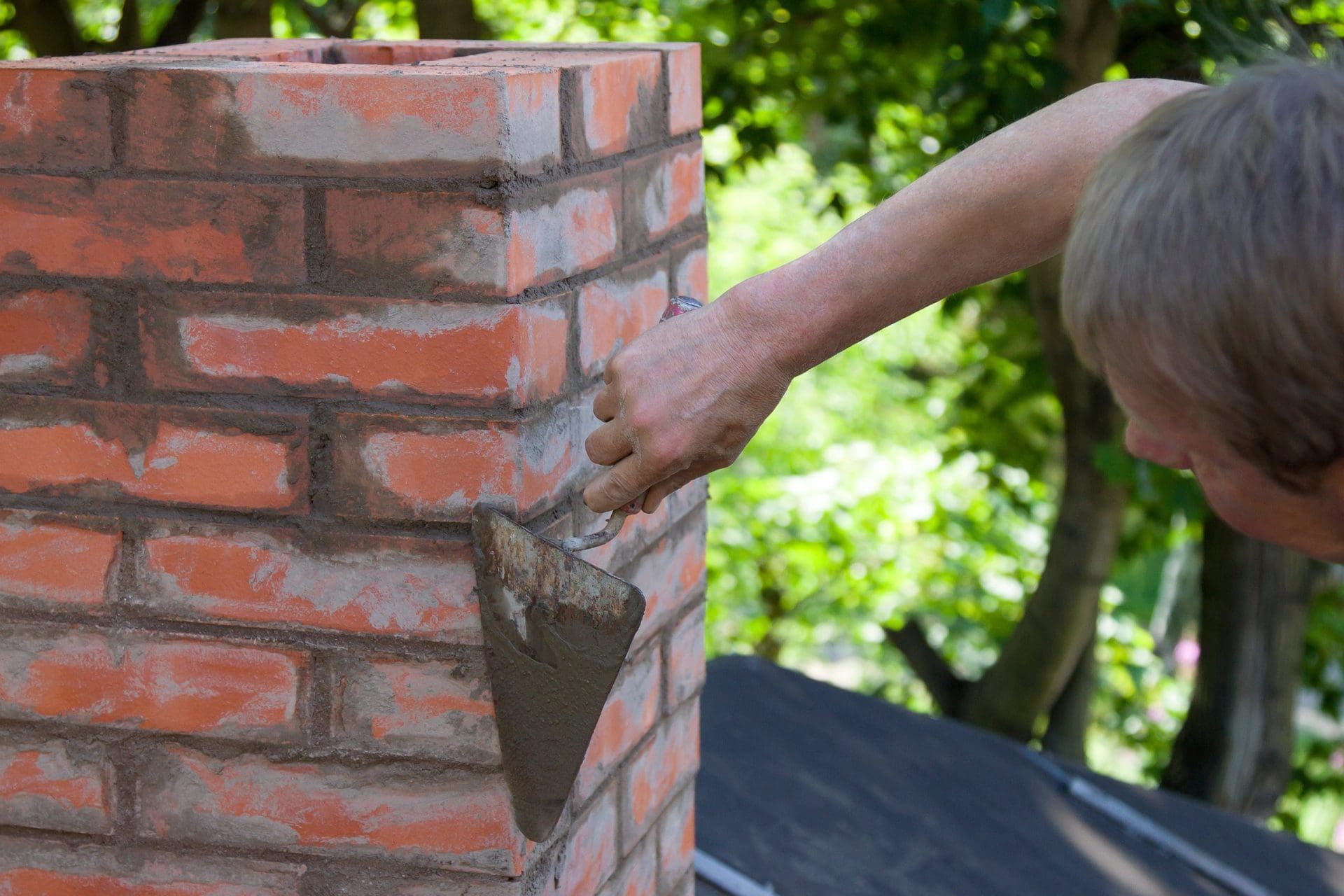
Professional chimney repair services often address these issues by reinforcing masonry areas and ensuring exterior surfaces remain properly sealed.
Chimney Crown Damage from Weather
The chimney crown is the protective top layer that covers the chimney structure. Its purpose is to help prevent water from entering the interior of the chimney.
Because the crown is directly exposed to the weather, it is particularly susceptible to deterioration.
Common Weather-Related Crown Damage
Over time, weather conditions can cause:
- Small cracks are forming on the crown surface
- Surface wear due to moisture exposure
- Gradual weakening of the crown structure
Once cracks develop, moisture may enter the chimney structure more easily. Repair services typically address crown damage by sealing cracks or restoring the crown surface.
Flashing Deterioration
Flashing is the material installed where the chimney meets the roof. Its purpose is to create a protective barrier that prevents water from entering the home.
Weather conditions can gradually affect flashing materials, especially when they are repeatedly exposed to rain, snow, and temperature fluctuations.
Signs of Flashing Issues
Homeowners may notice several indicators that flashing has been affected by weather:
- Visible gaps near the chimney base
- Separation between flashing and masonry
- Signs of moisture near the roofline
Chimney repair services can inspect the flashing area and address deterioration before water intrusion becomes a larger concern.
The Importance of Routine Chimney Inspections
Weather-related chimney damage often develops gradually. Because many parts of the chimney are located above the roofline, issues may not be immediately visible from the ground.
Routine inspections allow professionals to examine the chimney structure and identify early signs of deterioration.
Inspection areas typically include:
- Exterior brick and mortar condition
- Chimney crown surface
- Flashing integrity
- Overall structural alignment
- Visible cracks or masonry wear
When issues are discovered early, chimney repair services can restore affected areas and help maintain the chimney’s structural strength.
Chimney Maintenance Checklist for Homeowners
Homeowners can periodically review the condition of their chimney using this simple checklist:
- Look for cracks or missing mortar between bricks
- Check for visible brick deterioration or flaking surfaces
- Observe the chimney crown for cracks or surface damage
- Inspect the base of the chimney where it meets the roof
- Watch for staining or moisture around the chimney exterior
- Ensure chimney caps appear stable and properly positioned
If any of these signs are present, professional chimney repair services can evaluate the structure and recommend appropriate repairs.
Preventative Maintenance for Chimney Durability
While chimneys are designed to withstand weather exposure, regular maintenance helps reduce the risk of structural deterioration.
Preventative maintenance may include:
Periodic chimney inspections
Masonry repairs when mortar joints begin to weaken
Crown sealing or repair
Flashing adjustments when separation occurs
Exterior masonry sealing where appropriate
These maintenance steps help protect chimney materials and preserve structural integrity over time.
 When to Consider Chimney Repair Services
 When to Consider Chimney Repair Services
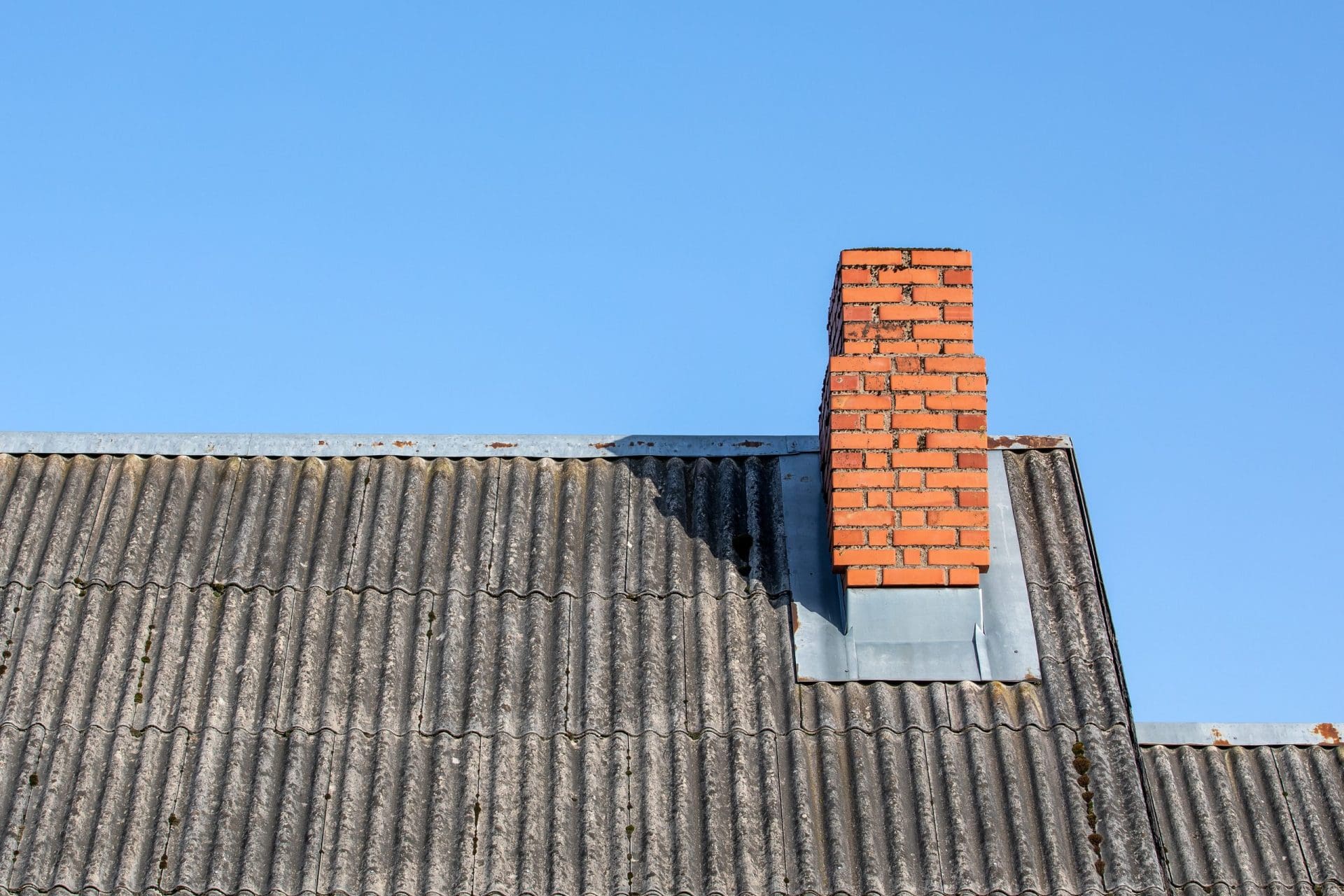
Certain warning signs indicate that chimney repair services may be necessary. Homeowners should consider a professional evaluation when they notice:
Cracks forming in masonry surfaces
Loose or deteriorating mortar joints
Brick surfaces are beginning to chip or flake
Signs of moisture near the chimney structure
Damage to the chimney crown or flashing
Addressing these concerns early helps prevent continued deterioration caused by ongoing weather exposure.
Speak With a Roofing Professional About Chimney Repair Services
Chimneys are constantly exposed to changing weather conditions, making routine inspection and maintenance an important part of protecting your home’s exterior structure. Identifying signs of weather-related damage early can help prevent further deterioration and preserve the integrity of chimney masonry.
Contact Brad Smith Roofing Today
If you have concerns about the condition of your chimney, learning more about chimney repair services can help you understand available maintenance and repair options. Visit the Brad Smith Roofing website or contact the team at 440-835-3377 to connect and learn more.
Frequently Asked Questions
1. What causes chimney weather damage?
Weather damage typically occurs when rain, snow, wind, and temperature changes repeatedly affect masonry materials. Over time, moisture exposure and expansion from freeze-thaw cycles may weaken bricks and mortar.
2. How does rain affect chimney masonry?
Rainwater can penetrate small pores in masonry surfaces. Continuous moisture exposure may gradually weaken mortar joints and cause visible wear on brick surfaces.
3. What is freeze-thaw damage in chimneys?
Freeze-thaw damage occurs when moisture trapped inside masonry freezes and expands. When temperatures rise again, the ice melts and contracts. Repeated cycles can cause cracks or deterioration in chimney materials.
4. Why is the chimney crown important?
The chimney crown protects the top of the chimney structure and helps prevent water from entering the interior masonry. Damage to the crown may allow moisture to penetrate the chimney.
5. Can wind damage a chimney?
Strong winds can contribute to chimney wear by forcing rainwater into small gaps or cracks. Wind pressure may also affect mortar joints and exterior components over time.
6. How can homeowners check for chimney damage?
Homeowners can visually inspect the chimney from the ground for cracks, missing mortar, brick deterioration, or visible damage to the chimney crown.
7. Why is flashing important around a chimney?
Flashing creates a barrier between the chimney and the roof. It helps prevent water from entering the roof structure where the chimney meets the roofline.
8. How often should a chimney be inspected?
Routine chimney inspections help identify early signs of masonry deterioration, crown damage, or flashing issues caused by weather exposure.
9. What are common signs that chimney repair may be needed?
Common signs include cracked bricks, deteriorating mortar joints, moisture stains, crown damage, or gaps near the flashing area.
10. How do chimney repair services help maintain the structure?
Chimney repair services evaluate masonry condition, repair damaged areas, restore mortar joints, and address crown or flashing concerns to help maintain the chimney’s structural stability.

Stacey is a graduate of BGSU, where she graduated with a B.A. in Interpersonal Communication and a Minor in Marketing. Stacey’s focus of study was Business Management. Stacey has been with the Company since November of 1999, she became the Office Manager in 2003. Stacey now serves as the Vice-President for the Company. She has been a Member of the Rocky River Chamber of Commerce since 2016. Stacey and her brother, Drew Smith, continue to follow in their Father’s footsteps bringing new innovations, new programs, new products and new techniques to help the Company’s efficiency, safety and customer satisfaction.
