
Rain gutters might not be the most exciting aspect of your home, but they are essential for safeguarding your property from water-related harm. Numerous homeowners neglect gutters, viewing them as non-essential, but the truth is that an efficiently operating gutter system can help protect your roof, foundation, and the overall structural soundness of your home. In this article, we will discuss the importance of gutters, how they function, and straightforward measures you can implement to keep your home protected.
When rainwater is not properly directed away from your home, it can collect in areas where it does not belong, leading to moisture-related issues over time. Gutters are designed to guide water safely away from vulnerable parts of your house, helping to reduce unnecessary exposure to prolonged moisture. Understanding how gutters work and why they matter can make it easier to recognize potential issues early and take proactive steps to maintain your home’s exterior.
 Key Takeaways
- Gutters direct water away from your roof and foundation, helping to protect your roof and reduce the risk of leaks and structural damage.
- Neglecting gutters can lead to roof deterioration, foundation issues, and landscape erosion.
- Regular maintenance and cleaning are essential to keep gutters functioning effectively.
- Properly installed gutters can extend the life of your roof and help protect your roof while shielding your home’s interior from water damage.
- Small preventive measures can save you from costly repairs down the road.
How Gutters Protect Your Roof
Your roof serves as the initial barrier against rain, snow, and ice, but even the sturdiest roof can be undermined without appropriate water management. Gutters gather the water that drains off your roof and direct it safely away from your house. This is why it is important.
Avoiding Roof Damage
If rainwater is not properly redirected, it can accumulate on shingles or at the edges of the roof. This may lead to:
- Deterioration and warping of shingles
- Decaying of the roof decking or fascia boards
- Higher chances of leaks entering your attic or ceiling
Gutters assist in preventing these problems by creating a designated route for water to flow, minimizing the constant moisture exposure to your roof.
Mitigating Ice Dams and Water Accumulation
In colder regions, water can freeze along the perimeter of your roof, resulting in the formation of ice dams. These ice dams obstruct proper drainage, potentially causing water to seep beneath shingles and into your house. Properly maintained gutters can aid in reducing this issue by directing water away before it freezes.
Gutters and Foundation Protection
Water doesn’t just threaten your roof—it can also impact your home’s foundation. Without gutters, rainwater falls directly at the base of your house. Over time, this can lead to:
- Soil erosion near the foundation
- Water pooling around your basement or crawl space
- Cracks or weakening of the foundation walls
By channeling water away, gutters help maintain the stability of your home’s foundation and reduce the likelihood of structural issues.
Supplementary Advantages of Gutters
In addition to safeguarding your roof and foundation, gutters provide other benefits:
Safeguarding Landscaping
Excess water flowing off your roof can erode mulch, harm flower beds, and cause unsightly soil loss. Gutters prevent heavy runoff from damaging your yard and help maintain the integrity of your landscaping.
Diminishing Exterior Damage
Water cascading down exterior walls may result in peeling paint, rotting wood siding, or the deterioration of brick and mortar. Properly functioning gutters protect your home’s exterior from these problems.
Reducing Mold and Mildew Formation
When water infiltrates walls or foundations, it can create humid conditions conducive to mold and mildew growth. Gutters help to prevent excess moisture around your home, lowering the likelihood of these growths both indoors and outdoors.
Taking Care of Your Gutters
Even the highest-quality gutter system won’t function effectively if it’s neglected. Regular upkeep is crucial to ensure they continue to shield your roof and foundation. Here are some suggestions:
Clearing
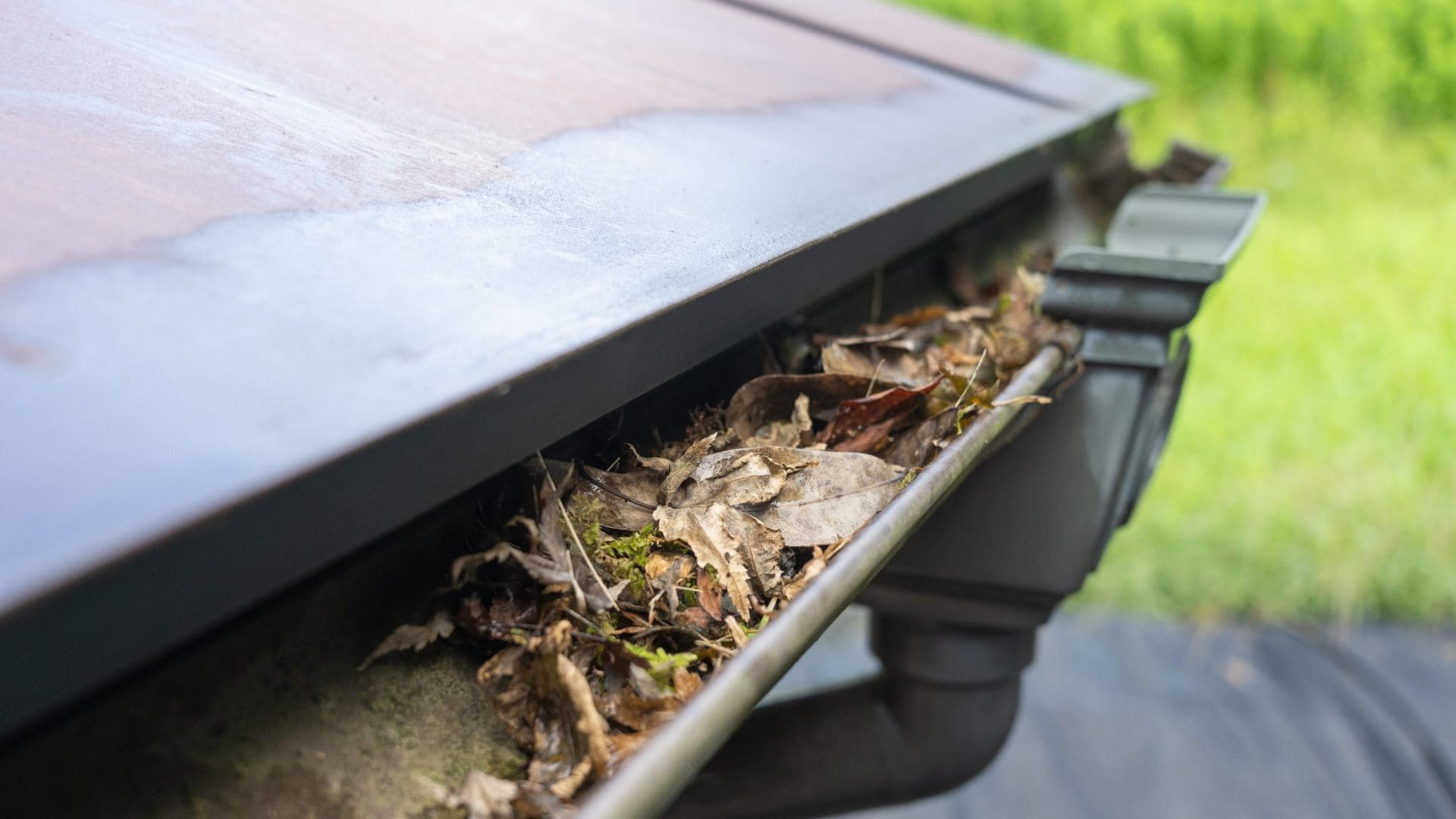
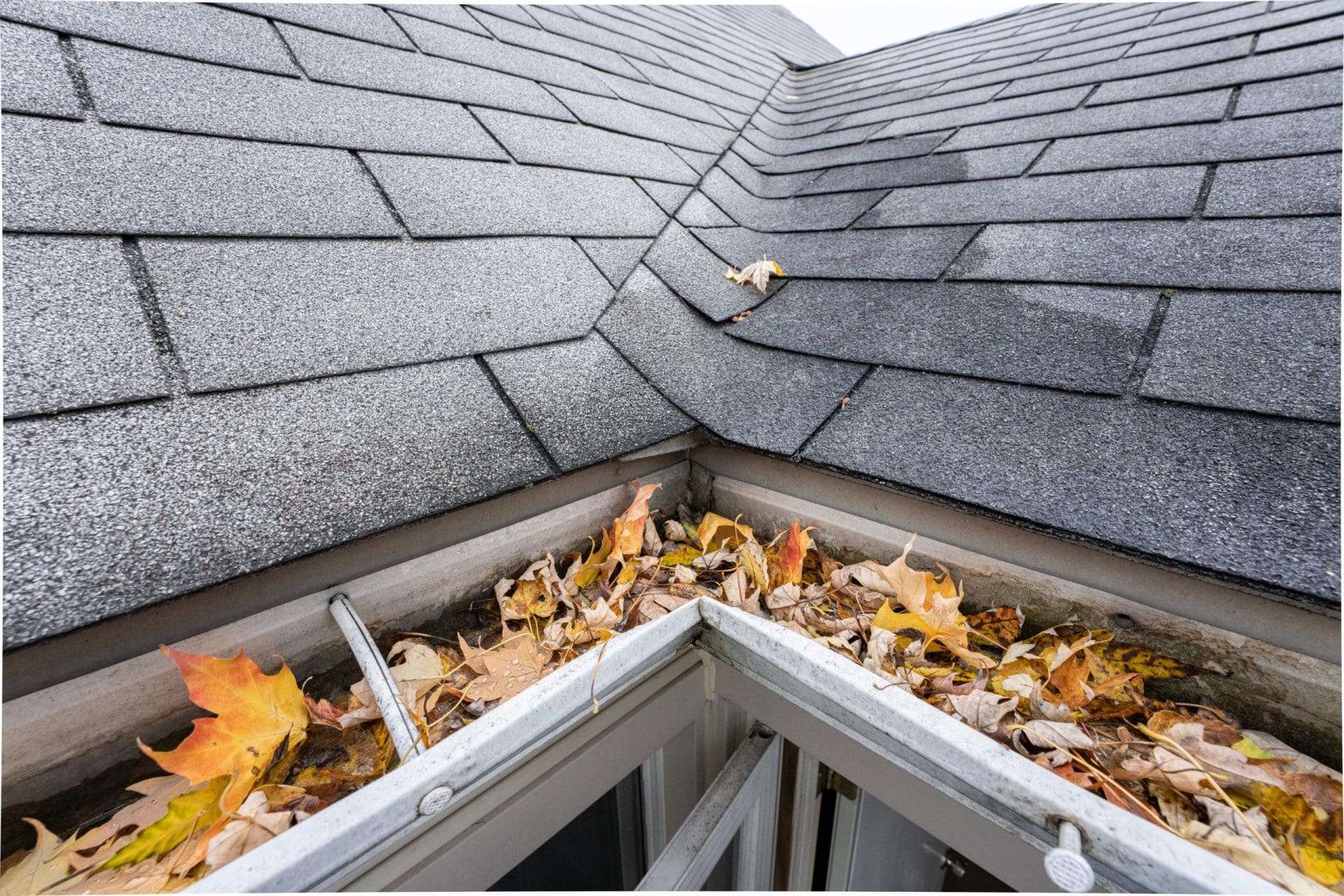
Leaves, sticks, and other debris can obstruct gutters, hindering proper water flow. Cleaning your gutters at least twice a year—or more frequently if you have trees nearby—helps ensure adequate drainage.
Examining
Look for cracks, rust, or loose connections in the gutters. Check downspouts to verify that water is being directed away from your house. Detecting damage early can prevent larger issues down the line.
Maintaining Proper Angle
Gutters require a slight downward angle towards the downspouts to enable unobstructed water flow. If water accumulates in specific areas, it may indicate that adjustments are needed.
 Short Homeowner Checklist
 Short Homeowner Checklist
Here’s a quick checklist to help you keep gutters in good condition:
- Inspect gutters for debris, cracks, or sagging
- Clean gutters at least twice a year
- Check downspouts to ensure water is directed away from your foundation
- Confirm gutters have the proper slope for drainage
- Consider installing gutter guards to reduce maintenance
- Look for signs of water damage on your roof or exterior walls
Safeguard Your Home with Simple Gutter Care
Your gutters may not always be top of mind, but they are essential for protecting your roof and foundation. Taking a few simple steps, like regular cleaning and routine inspections, can make a big difference in the long-term health of your home. By keeping your gutters in good condition, you’re helping to preserve your roof, maintain a strong foundation, and protect your home from water damage inside and out.
Start today: inspect your gutters, clear any debris, and ensure water is flowing safely away from your home. Small actions now can prevent bigger problems later.
Contact Brad Smith Roofing Today
To learn more about protecting your roof and home, visit Brad Smith Roofing’s Home Page. For questions or to schedule a consultation, contact us on our website or call 440-835-3377.
FAQs About Gutters
- How often should I clean my gutters?
At minimum, twice a year—typically in the spring and fall—but more often if you have overhanging trees. - Can I install gutters myself?
Some homeowners do, but proper slope and secure attachment are critical for effectiveness. Professional installation ensures gutters function correctly. - Are gutter guards worth it?
Gutter guards reduce debris buildup and maintenance frequency, but do not eliminate the need for occasional cleaning. - How do I know if my gutters are clogged?
Signs include water overflowing from the gutters, sagging sections, or water pooling near the foundation. - Do gutters prevent basement flooding?
While they can reduce water pooling near the foundation, proper grading, drainage, and waterproofing are also important to prevent flooding. - What materials are gutters made from?
Common materials include aluminum, copper, steel, and vinyl. Each has its own durability and maintenance considerations. - Can clogged gutters damage my roof?
Yes. Water that backs up can seep under shingles, cause rot, or create ice dams in winter. - How long do gutters last?
Lifespan depends on the material, maintenance, and local weather conditions. Regular care can extend their life. - What is the proper slope for gutters?
Gutters should slope slightly—about 1/4 inch per 10 feet—toward the downspouts to ensure proper drainage. - Can I just rely on downspouts without gutters?
No. Downspouts alone do not collect water from the entire roof, so gutters are necessary to direct runoff safely away from your home.

Stacey is a graduate of BGSU, where she graduated with a B.A. in Interpersonal Communication and a Minor in Marketing. Stacey’s focus of study was Business Management. Stacey has been with the Company since November of 1999, she became the Office Manager in 2003. Stacey now serves as the Vice-President for the Company. She has been a Member of the Rocky River Chamber of Commerce since 2016. Stacey and her brother, Drew Smith, continue to follow in their Father’s footsteps bringing new innovations, new programs, new products and new techniques to help the Company’s efficiency, safety and customer satisfaction.
