
A roof rarely fails all at once. In most cases, it sends warning signals long before major damage becomes obvious. The challenge for homeowners is knowing how to recognize those early clues before a small issue turns into a larger repair. Understanding the signs roof is failing can help you act sooner, protect your home, and avoid more serious structural problems.
Your roof is exposed to sun, wind, rain, snow, temperature swings, and debris throughout the year. Over time, even a well-built roofing system can begin to wear down. The earliest signs roof is failing may appear subtle at first, such as a small stain on a ceiling, a few missing shingles, or granules collecting in gutters. These details are easy to overlook, but they often point to problems that deserve attention.
1. Missing, Cracked, or Curling Shingles
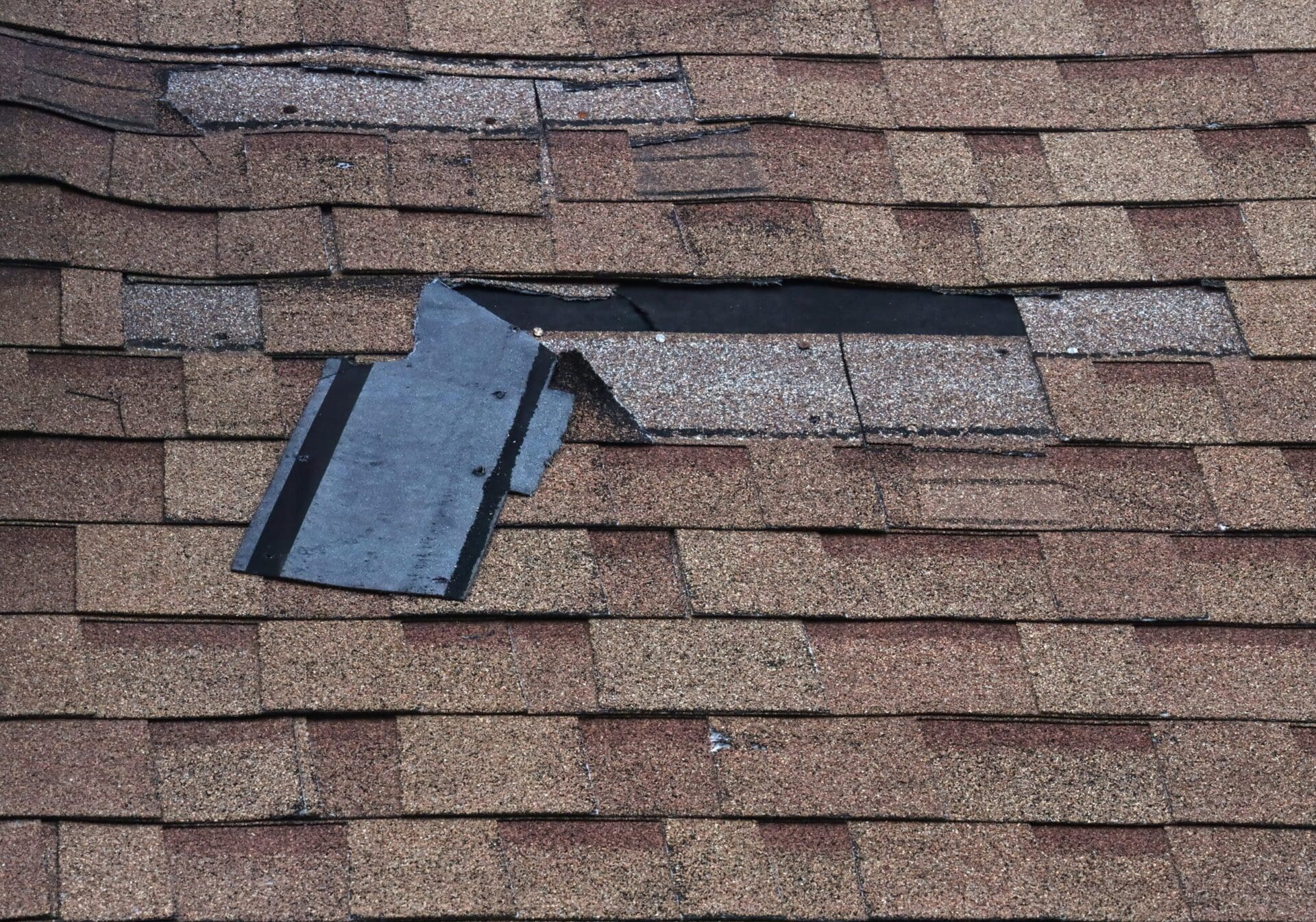
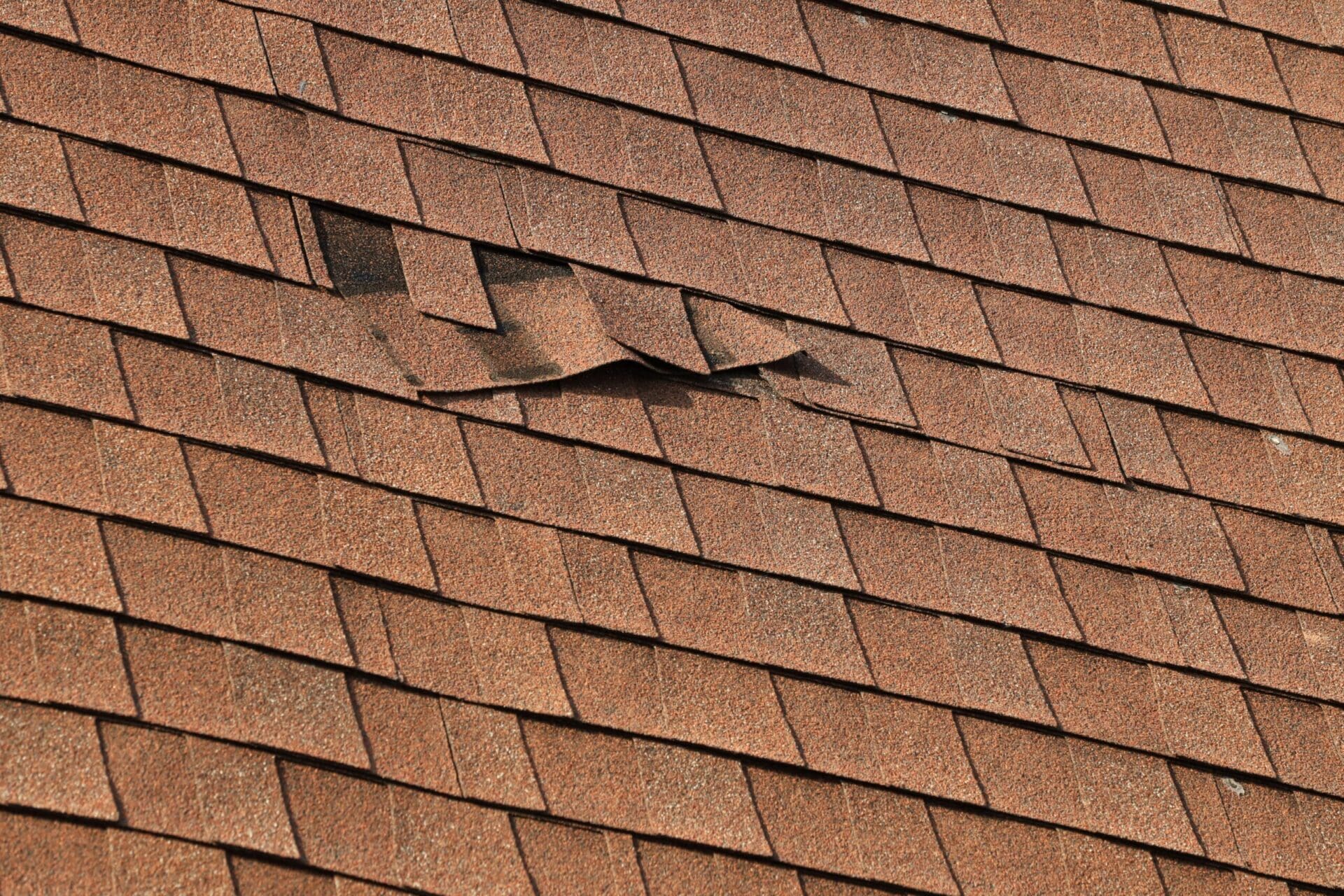
One of the clearest signs roof is failing is visible shingle damage. If shingles are missing, cracked, curling at the edges, or buckling in certain areas, the roof may no longer be providing full protection against moisture.
Shingles serve as the outer barrier between your home and the elements. When they begin to break down, water can find its way underneath the roofing materials. Curling shingles often suggest age or prolonged exposure to heat and weather. Cracked shingles can happen from storm impact, temperature changes, or long-term deterioration.
When you notice shingle damage from the ground or during a visual inspection, it may be one of the first signs roof is failing and should not be ignored.
 2. Granules in the Gutters
Asphalt shingles are coated with granules that help protect them from UV rays and improve their durability. If you begin to notice a heavy buildup of granules in your gutters or near downspouts, that is often one of the important signs roof is failing.
Some granule loss is normal over time, especially with an older roof. However, excessive loss can mean the shingles are nearing the end of their useful life. Without that protective layer, shingles can deteriorate more quickly, increasing the risk of leaks and other damage.
Homeowners often miss this issue because they do not inspect their gutters closely. But granules washing away can be one of the most overlooked signs roof is failing.
3. Water Stains on Ceilings or Walls
Inside the home, brown stains on ceilings or walls are among the most recognizable signs roof is failing. Water intrusion does not always show up as a dramatic leak dripping from the ceiling. Sometimes it begins as faint discoloration, bubbling paint, or peeling drywall.
These stains often indicate that moisture is entering somewhere through the roofing system, flashing, or underlayment. Even if the stain appears small, the water may have traveled from another point on the roof before becoming visible indoors.
If water marks keep returning or growing, it may be one of the stronger signs roof is failing and should be evaluated promptly.
4. A Sagging Roofline
A sagging roofline is one of the more serious signs roof is failing. When a roof appears uneven, dipped, or bowed, it may indicate trapped moisture, weakened decking, or structural stress.
Your roofline should generally look straight and consistent. If part of it seems to sink or bend, it can suggest that water has been present for a long time, causing the materials beneath the shingles to deteriorate. In some cases, poor ventilation or excess weight from repeated moisture exposure may also contribute.
Because this issue can affect the structural integrity of the home, a sagging roofline is one of the signs roof is failing that deserves immediate attention.
5. Leaks Around Flashing, Chimneys, or Vents
Roof leaks often develop in vulnerable areas such as flashing around chimneys, skylights, valleys, and plumbing vents. These parts of the roof are designed to seal transitions and openings, but they can wear out or loosen over time.
Damaged or corroded flashing is one of the classic signs roof is failing because these areas are common entry points for water. You may not always see the damage from the ground, but interior moisture, musty odors, or visible rust around roof penetrations can point to trouble.
When the seals around these roof features begin to fail, they become early signs roof is failing that should be addressed before water spreads into insulation, ceilings, or walls.
6. Moss, Mold, or Algae Growth
Dark streaks, green patches, or moss growth on a roof may seem like only a cosmetic problem, but in many cases they are also signs roof is failing. Moss tends to hold moisture against the roof surface, which can speed up wear and deterioration. Mold and algae can also suggest that excess moisture is lingering where it should not.
Roofs need to shed water efficiently. When moisture remains trapped on the surface, roofing materials may weaken faster. While biological growth does not always mean the roof is near total failure, it can still be one of the visible signs roof is failing, especially when combined with shingle damage or aging materials.
7. Daylight in the Attic
If you go into the attic and can see daylight coming through the roof boards, that is one of the strongest signs roof is failing. Light entering where it should not means there may be openings, cracks, or gaps that can also let water and cold air inside.
An attic inspection can reveal more than many homeowners expect. Along with daylight, you might notice damp insulation, mildew smells, or moisture on the wood framing. These clues often appear before a major leak becomes obvious in the living space below.
Because the attic shows what is happening beneath the roof surface, it can provide some of the earliest signs roof is failing.
8. Rising Energy Bills
A roof in poor condition can affect more than just protection from rain. It can also impact insulation and ventilation, which may influence indoor comfort and energy efficiency. Unexpected increases in heating or cooling costs may be one of the indirect signs roof is failing.
When warm or cool air escapes through compromised roofing materials or poor attic ventilation, your HVAC system may have to work harder to maintain indoor temperatures. While energy bills alone do not confirm roof failure, they can support other signs roof is failing that are already visible.
9. Roof Age and Weather Exposure
Sometimes the biggest clue is simply the roof’s age. Even if major leaks have not appeared yet, an older roof that has been through years of storms, high winds, snow, and sun may begin showing signs roof is failing more frequently.
Different roofing materials have different lifespans, but no roof lasts forever. If your roof is older and small problems keep appearing, age itself can be one of the strongest signs roof is failing. Repeated repairs, recurring leaks, or increasing maintenance needs may all point to a roofing system that is wearing out.
10. Why Early Recognition Matters
Spotting the signs roof is failing early can make a major difference in protecting your home. Roof problems do not usually stay isolated. Moisture can spread into insulation, drywall, wood framing, and even electrical systems. Over time, what began as a small weakness in the roof may lead to broader damage inside the home.
That is why homeowners should take visible roof changes seriously. Routine visual checks from the ground, paying attention after storms, and noticing indoor warning signs can help identify the signs roof is failing before the damage becomes much worse.
How Homeowners Can Stay Alert
You do not need to climb onto the roof to watch for the signs roof is failing. In fact, a ground-level view, attic inspection, and awareness of changes inside your home can reveal many warning signs safely. Look for missing shingles after storms, check gutters for granules, watch ceilings for stains, and pay attention to any unusual sagging or moisture-related odors.
Homeowners who stay observant are often better prepared to respond when the signs roof is failing begin to show. Acting on warning signs early can help you make informed decisions about the next steps for your property.
Protect Your Home Before Roof Problems Get Worse
If you’ve noticed any signs roof is failing, now is the time to take the next step. Brad Smith Roofing is here to help homeowners get professional guidance and dependable roofing support. Contact Brad Smith Roofing today at 440-835-3377 to discuss your roof and schedule an inspection.
FAQs
1. What are the most common signs roof is failing?
The most common signs roof is failing include missing or curling shingles, cracked shingles, granules in the gutters, water stains on ceilings or walls, attic light coming through the roof boards, moss growth, and a sagging roofline.
2. Why are missing shingles considered signs roof is failing?
Missing shingles are signs roof is failing because they leave parts of the roof exposed to moisture, wind, and other weather conditions that can damage the layers underneath.
3. Do granules in the gutters mean signs roof is failing?
Granules in the gutters can be one of the signs roof is failing, especially when there is a heavy buildup. This may mean asphalt shingles are wearing down and losing their protective surface.
4. Can ceiling stains point to signs roof is failing?
Yes, ceiling stains can be signs roof is failing because they often indicate water is entering through the roof and making its way into the home.
5. Is a sagging roofline one of the serious signs roof is failing?
Yes, a sagging roofline is one of the more serious signs roof is failing because it may suggest trapped moisture, weakened decking, or structural deterioration beneath the roofing materials.
6. Are moss and algae signs roof is failing?
Moss and algae can be signs roof is failing when they show that moisture is staying on the roof surface longer than it should, which may speed up material wear over time.
7. Why should homeowners check the attic for signs roof is failing?
The attic can reveal signs roof is failing such as daylight coming through the roof boards, damp insulation, mildew smells, or moisture on the wood framing.
8. Can rising energy bills be related to signs roof is failing?
In some cases, rising energy bills may be related to signs roof is failing because roof damage can affect insulation and ventilation, making it harder to maintain indoor temperatures.
9. Does roof age play a role in signs roof is failing?
Yes, roof age often plays a major role in signs roof is failing. Older roofs are generally more likely to show wear, weather damage, and recurring issues over time.
10. What should a homeowner do after noticing signs roof is failing?
After noticing signs roof is failing, a homeowner should take the warning signs seriously and seek a professional evaluation to better understand the roof’s condition and the next steps.

Stacey is a graduate of BGSU, where she graduated with a B.A. in Interpersonal Communication and a Minor in Marketing. Stacey’s focus of study was Business Management. Stacey has been with the Company since November of 1999, she became the Office Manager in 2003. Stacey now serves as the Vice-President for the Company. She has been a Member of the Rocky River Chamber of Commerce since 2016. Stacey and her brother, Drew Smith, continue to follow in their Father’s footsteps bringing new innovations, new programs, new products and new techniques to help the Company’s efficiency, safety and customer satisfaction.
