
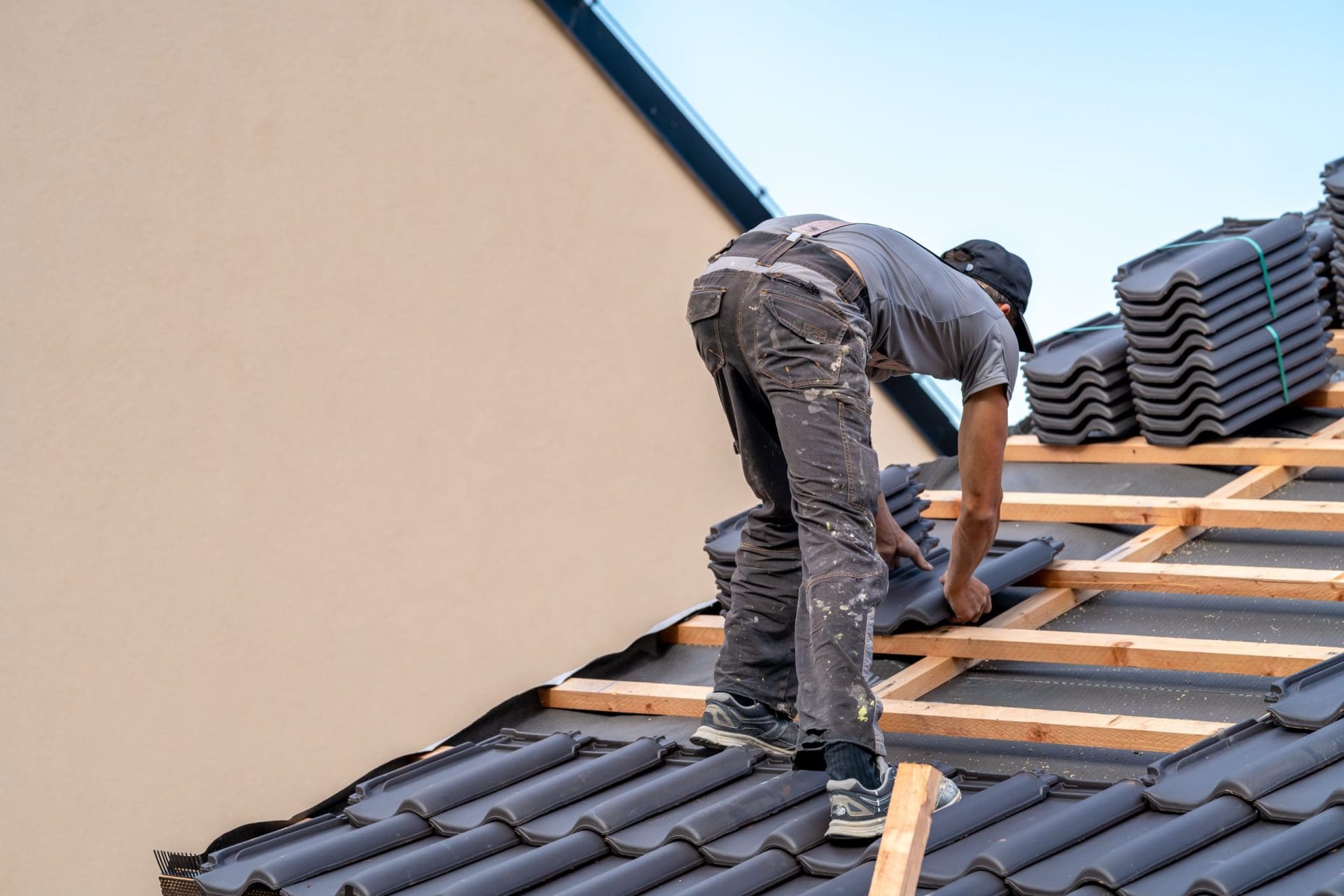
Spring is one of the most active seasons for roofing projects. As snow melts and temperatures begin to stabilize, homeowners often discover roofing issues that were hidden during winter. Loose shingles, flashing separation, minor leaks, and general wear become more noticeable once ice and snow are gone. Because so many homeowners schedule roofing work at the same time, contractor calendars fill quickly. Planning ahead and selecting the right roofing materials before the spring rush allows you to make informed decisions without feeling pressured by tight timelines.
Choosing roofing materials is not simply about appearance. The materials you select influence how your roof performs against rain, wind, temperature changes, and seasonal weather patterns. A well-informed choice helps protect your home’s structure and supports long-term durability. Taking time to evaluate options before peak season ensures your project moves forward efficiently.
 Why Spring Planning Matters
Spring weather in Northeast Ohio can be unpredictable. Rainfall increases, temperatures fluctuate, and strong winds are common. Roofing systems must handle moisture exposure and shifting weather conditions without allowing water intrusion. When roofing materials are aging or compromised, spring storms can expose weaknesses quickly.
Scheduling a roof inspection before the busiest part of the season offers several advantages. It gives you time to assess the current condition of your roof, compare material options, and reserve a spot on your contractor’s schedule. Rather than reacting to an urgent issue, proactive planning allows you to move forward confidently.
Understanding Your Roofing Material Options
Selecting the right material begins with understanding what is available and how each option performs. Different materials offer varying levels of durability, maintenance requirements, and aesthetic appeal. Your home’s architectural style, structural design, and local climate all influence which material may be most appropriate.
Asphalt Shingles
Asphalt shingles are one of the most commonly used roofing materials in residential construction. They are widely chosen because they provide reliable weather protection and are available in a broad range of colors and styles. Modern asphalt shingles are designed to shed water effectively and withstand typical seasonal conditions.
There are different types of asphalt shingles, including traditional three-tab shingles and architectural shingles. Architectural shingles are thicker and layered, offering added visual depth and enhanced durability compared to standard three-tab designs. When properly installed with appropriate underlayment and ventilation, asphalt shingles can perform well in climates that experience rain, snow, and temperature changes.
Metal Roofing
Metal roofing is another option that homeowners may consider. Metal panels or metal shingles are designed to shed rain and snow efficiently. They are available in various profiles and finishes, allowing for a range of aesthetic styles from modern to traditional.
Proper installation is essential with metal roofing systems. Underlayment, flashing, and fastening techniques must be carefully executed to ensure long-term performance. Metal roofing can be a suitable option for homeowners seeking durability and distinct visual appeal.
Synthetic and Composite Materials
Synthetic or composite roofing materials are engineered to replicate the appearance of natural materials such as slate or wood. These products are designed to offer visual appeal while often reducing weight and maintenance concerns compared to natural materials.
Composite options vary in design and performance characteristics. Consulting with a roofing professional helps determine whether a specific product aligns with your home’s structure and regional weather conditions.
Natural Slate and Wood
Slate and wood shakes have been used in roofing for many years. Slate offers a classic, distinctive look, while wood shakes provide a natural, textured appearance. However, these materials require careful consideration. Slate is heavy and requires proper structural support. Wood requires ongoing maintenance to manage weather exposure.
Homeowners considering natural materials should consult with a professional contractor to evaluate compatibility with their home and climate.
Climate Considerations in Northeast Ohio
Weather plays a major role in roofing performance. In Northeast Ohio, roofs must withstand rain, wind, snow accumulation, and freeze-thaw cycles. Materials that absorb moisture and then freeze can experience expansion and stress over time. Choosing materials designed to manage water effectively is critical.
Roofing systems must also accommodate seasonal temperature changes. Proper installation, ventilation, and moisture barriers work together to help maintain structural integrity. Material choice should always be evaluated in the context of local climate conditions.
The Role of Underlayment and Ventilation
Roofing materials are only one part of a complete roofing system. Underlayment provides an additional protective layer beneath the visible roofing material. It serves as a secondary moisture barrier and supports overall water resistance.
Ventilation is equally important. Proper attic ventilation helps regulate temperature and moisture levels inside the roof structure. Without adequate ventilation, heat and humidity can accumulate, potentially affecting roofing materials over time. When choosing materials, it is important to ensure they are compatible with proper ventilation and underlayment systems.
Balancing Durability and Appearance
A roof significantly influences your home’s exterior appearance. Color, texture, and material style should complement siding, trim, and architectural features. Many manufacturers offer blended color options that enhance curb appeal while maintaining weather resistance.
While aesthetics matter, durability should remain a primary focus. Roofing materials must consistently protect against moisture intrusion and environmental exposure. Working with a knowledgeable contractor helps balance visual preferences with performance requirements.
Maintenance Expectations
Different roofing materials come with varying maintenance needs. Asphalt shingles may require periodic inspections to identify loose or damaged shingles. Metal roofs should be inspected to ensure flashing and fasteners remain secure. Natural materials such as wood may require more frequent maintenance to address weather-related wear.
Understanding maintenance expectations before selecting a material helps you choose an option that aligns with your long-term plans for your home.
The Importance of Professional Installation
Even high-quality roofing materials can fail if installed improperly. Flashing around chimneys, vents, and roof edges must be carefully secured. Underlayment must be installed correctly to provide effective moisture protection. Shingles or panels must be aligned and fastened according to manufacturer specifications.
Professional installation ensures that each component of the roofing system works together as intended. When planning ahead of the spring rush, homeowners have more flexibility to schedule experienced contractors rather than settling for limited availability.
Avoiding the Pressure of Peak Season
Spring is a popular time for roofing projects because temperatures are moderate and weather conditions are generally workable. However, waiting until problems become urgent can create scheduling challenges. If a leak develops during a heavy spring rain, demand for roofing services may already be high.
By arranging an inspection and discussing materials early, you reduce the likelihood of last-minute decisions. You also gain time to review options, ask questions, and feel confident in your final choice.
Preparing for Spring Storms
Spring storms can bring heavy rainfall and strong winds. A roof in compromised condition may be more vulnerable during these events. Ensuring your roofing system is evaluated and updated as needed before peak storm season provides added peace of mind.
Proactive maintenance and thoughtful material selection help strengthen your home’s exterior protection. Addressing concerns before severe weather arrives reduces the risk of unexpected disruptions.
 Making an Informed Decision
 Making an Informed Decision
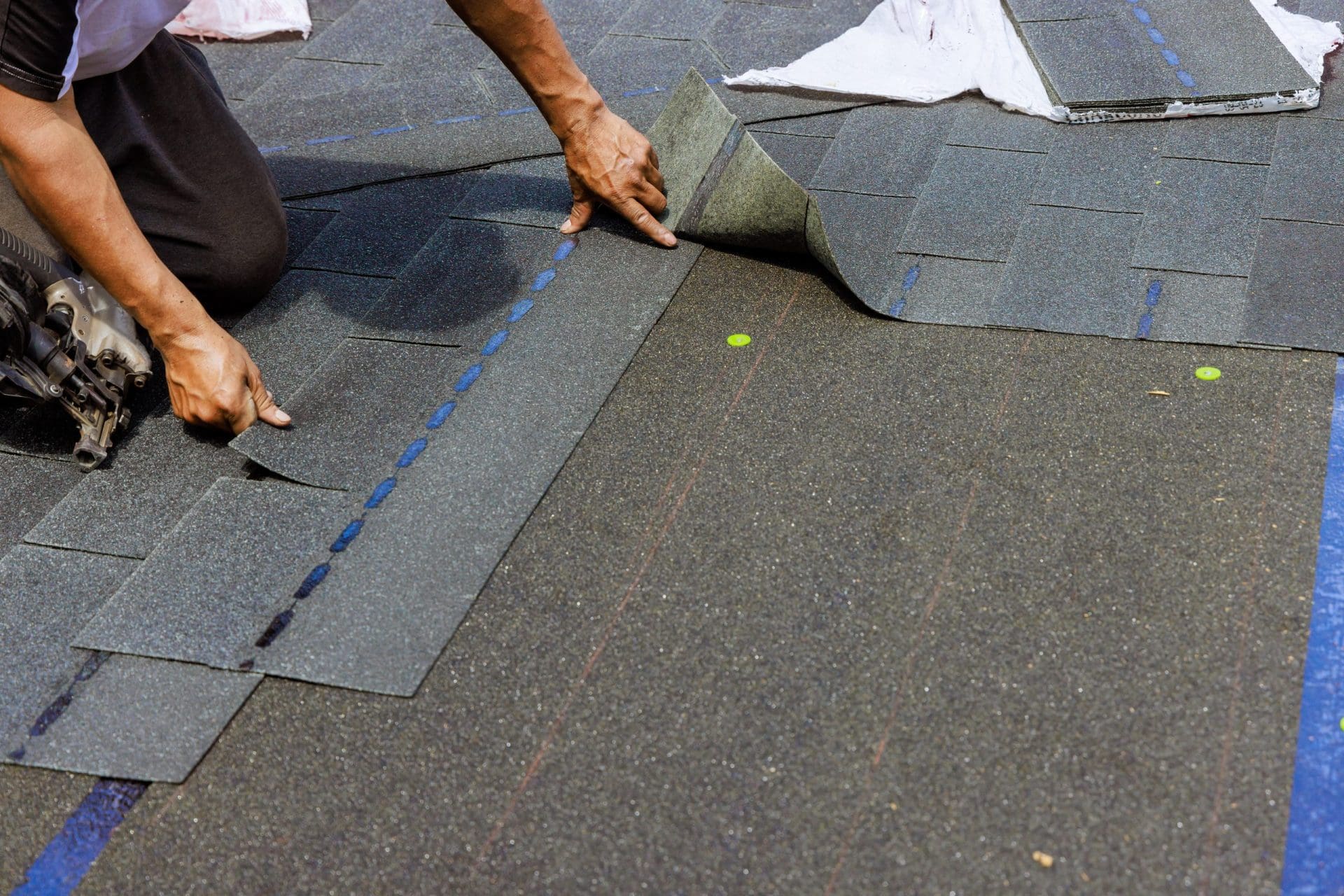
Selecting roofing materials involves several factors: climate compatibility, durability, maintenance, appearance, and proper installation. There is no one-size-fits-all solution. Each home has unique characteristics that influence the best choice.
A professional roofing consultation allows you to evaluate your current roof’s condition and explore suitable material options. With expert guidance, you can select a roofing system that aligns with your home’s structure and regional weather conditions.
Choose the Right Materials for Your Roof
If you are considering a roof repair or replacement this season, now is the time to begin the process. Contact Brad Smith Roofing at 440-835-3377 or visit our website to schedule an inspection and discuss material options.
Frequently Asked Questions
1. Why should I schedule roofing work before the spring rush?
Scheduling early gives you more flexibility in choosing materials and reserving installation dates before contractor schedules become full.
2. What roofing material is most commonly used for residential homes?
Asphalt shingles are widely used because they provide reliable protection and are available in many styles and colors.
3. Are architectural shingles different from standard shingles?
Yes. Architectural shingles are thicker and layered, offering enhanced durability and a more dimensional appearance.
4. Is metal roofing suitable for homes in Northeast Ohio?
Metal roofing can perform well in areas with rain and snow when properly installed with appropriate underlayment and flashing.
5. How does climate affect roofing material choice?
Materials must withstand moisture, temperature changes, wind, and seasonal weather patterns common to the region.
6. What role does underlayment play in a roofing system?
Underlayment acts as a secondary moisture barrier beneath the primary roofing material.
7. Why is ventilation important for my roof?
Proper ventilation helps regulate attic temperature and moisture, supporting overall roofing performance.
8. How do I know if my roof needs replacement?
Visible wear, missing shingles, persistent leaks, or aging materials may indicate it is time for a professional evaluation.
9. Does material choice affect maintenance requirements?
Yes. Different materials require different levels of inspection and upkeep over time.
10. How can I schedule a roofing inspection?
You can contact Brad Smith Roofing at 440-835-3377 or visit https://bradsmithroofing.com/ to arrange a consultation.

Stacey is a graduate of BGSU, where she graduated with a B.A. in Interpersonal Communication and a Minor in Marketing. Stacey’s focus of study was Business Management. Stacey has been with the Company since November of 1999, she became the Office Manager in 2003. Stacey now serves as the Vice-President for the Company. She has been a Member of the Rocky River Chamber of Commerce since 2016. Stacey and her brother, Drew Smith, continue to follow in their Father’s footsteps bringing new innovations, new programs, new products and new techniques to help the Company’s efficiency, safety and customer satisfaction.
