
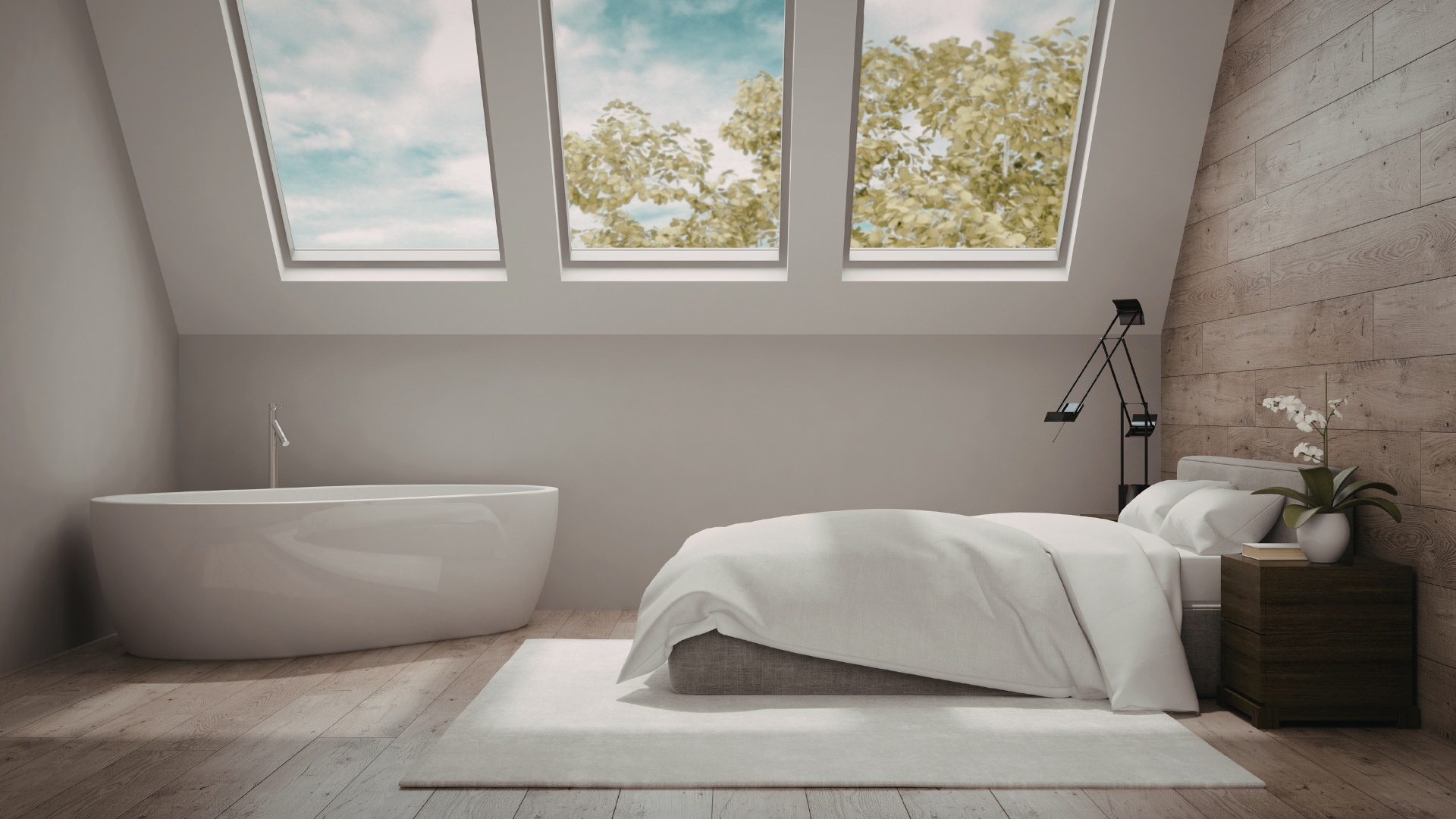
Skylights are a favored method for introducing natural light into your house, resulting in lighter and more welcoming areas. Nevertheless, selecting the appropriate type of skylight can be challenging due to the numerous designs and installation options available. This guide outlines the primary types of skylights, aiding homeowners in making knowledgeable decisions about their homes.
 Key Insights on Skylight Types
- Different skylight types can greatly improve the natural light in your home and enhance the overall atmosphere.
- There are various types of skylights, each designed for specific roof structures and functions.
- Fixed skylights are perfect for letting in light without allowing for ventilation, whereas vented skylights enable air circulation.
- Tubular skylights are a compact solution for smaller spaces or corridors.
- Careful placement and design considerations can optimize daylight while reducing heat loss or preventing leaks.
- Having a clear understanding of the different skylight types can facilitate conversations with roofing or home improvement experts.
What Is a Skylight?
A skylight is a window set into a roof or ceiling, intended to bring natural light into indoor areas. Unlike conventional windows, skylights offer illumination from above, which can enhance the sensation of space and openness in a room. They are frequently found in living areas, kitchens, bathrooms, corridors, and even bedrooms.
Skylights are available in various shapes, sizes, and materials, with each variety fulfilling specific functions based on the layout of your home, the type of roof, and your lighting requirements.
Common Skylight Types
- Fixed Skylights
Fix
ed skylights are non-opening, stationary windows that are installed on the roof. Their primary purpose is to allow light in, making them an ideal option for spaces where ventilation is not required.
Advantages:
- Offers consistent natural lighting without drafts.
- Features a straightforward design with fewer moving components, which can often lead to lower maintenance requirements.
- Comes in various shapes, such as rectangular, square, circular, and tailored designs.
Considerations:
- Does not provide a way for air to circulate.
- Proper placement is crucial to prevent excessive heat accumulation in certain climates.
- Vented Skylights
Vented skylights (also known as operable skylights) can be opened by hand or electronically to facilitate airflow. These are perfect for areas that benefit from natural air circulation, like kitchens and bathrooms.
Advantages:
- Assists in regulating indoor temperature and lowering humidity levels.
- Depending on the model, they can be opened with a manual crank, a key, or a remote control.
- Provides the same benefits of natural light as fixed skylights.
Considerations:
- Installation is slightly more complicated than that of fixed skylights.
- Mechanical parts may need regular maintenance.
- Tubular Skylights
Tubular skylights, referred to as sun tunnels, are compact, cylinder-shaped skylights that capture sunlight from the rooftop and direct it down a reflective tube into interior spaces. These are commonly used in restricted or narrow locations where conventional skylights may be impractical.
Advantages:
- The small design fits in tight spaces such as closets, hallways, or bathrooms.
- Causes minimal interference with the roof structure.
- Can deliver bright daylight even in areas lacking direct roof access.
Considerations:
- Does not allow for a view of the sky.
- Light output may be diminished on overcast days or with longer tubes.
- Skylight Roof Windows
Skylight roof windows are a specific type of skylight that offer the advantages of natural sunlight along with a window-style opening that can be utilized for escape or ventilation. These are frequently installed in attic conversions or loft areas where accessibility is necessary.
Advantages:
- Can function as an emergency exit if designed appropriately.
- Offers both illumination and air circulation.
- Usually comes equipped with blinds or shades for managing light.
Considerations:
- Installation may need extra structural planning.
- Might be more prominent from the outside, impacting the appearance of the roof.
- Pyramid or Dome Skylights
Pyramid or dome skylights have a three-dimensional structure, typically with an elevated roof contour. These skylights can be either fixed or ventilated and serve as a unique architectural feature in a home.
Advantages:
- Permits light to come through from various directions.
- Can produce a striking lighting ambiance indoors.
- Frequently utilized in living rooms, entryways, or expansive open areas.
Considerations:
- Might be more difficult to clean or maintain.
- The roof design has to accommodate the shape.
Factors to Consider When Choosing a Skylight
When choosing the appropriate type of skylight for your residence, various factors should be considered:
- Roof Style: Different skylight designs are compatible with flat roofs, pitched roofs, and low-slope roofs.
- Installation Location: Skylights ought to be positioned where they can maximize natural light while minimizing excessive heat from direct sunlight.
- Airflow Requirements: Assess if the area would benefit from ventilation or if just having light is adequate.
- Materials and Glazing: Contemporary skylights typically feature energy-efficient glazing to help minimize heat loss or gain.
- Access for Maintenance: Think about how easy it is to clean the skylight and whether it can be accessed safely.
 Skylight Placement Tips
 Skylight Placement Tips
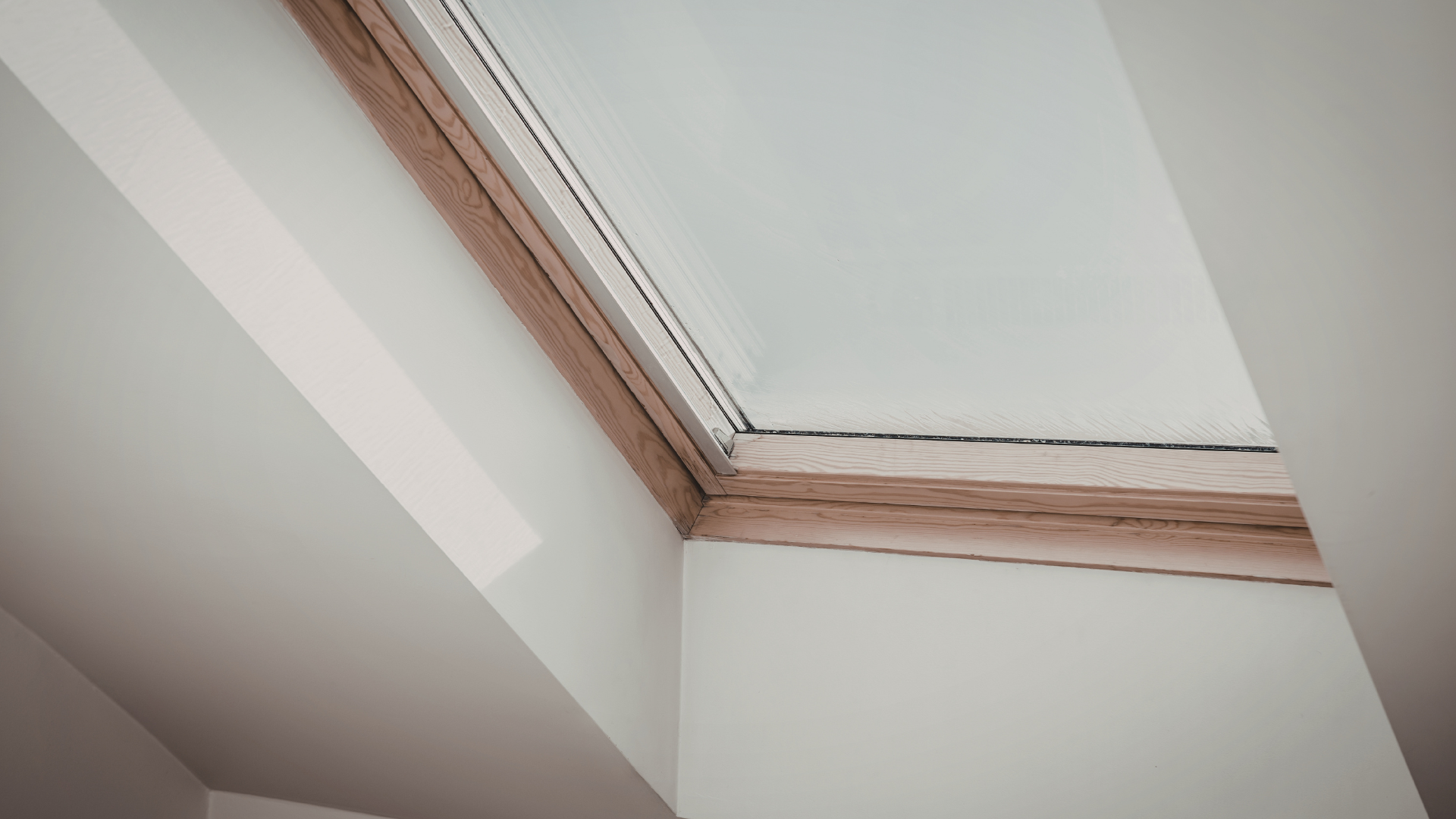
- Steer clear of placing skylights close to tall trees or buildings that could obstruct sunlight.
- Think about the roof’s slope to enhance the amount of light coming in.
- Make sure to use appropriate sealing and flashing to avoid leaks.
- Place skylights at a distance from spots that are likely to experience excessive heat unless shading features are included.
Homeowner Checklist for Skylight Types
Before installing a skylight, use this simple checklist:
- Identify the room or area where natural light is needed.
- Decide if ventilation is required.
- Choose the appropriate skylight type (fixed, vented, tubular, roof window, or dome).
- Confirm roof compatibility and structural considerations.
- Determine the best location for maximum daylight and minimal heat gain.
- Check glazing options for energy efficiency and UV protection.
- Plan for maintenance and cleaning access.
Contact Brad Smith Roofing Today
Infusing your home with natural light can completely change how your spaces appear and feel, making them brighter, more inviting, and vibrant. At Brad Smith Roofing, we can help you explore the best skylight options for your home. If you have inquiries or need tailored guidance, reach out to us at 440-835-3377 so our team can discuss your home’s specific requirements and help you identify which options may be most suitable.
Frequently Asked Questions
- Are skylights energy-efficient?
Modern skylights with double or triple glazing can help reduce heat loss in winter and limit heat gain in summer. - Can skylights leak?
Proper installation and flashing are key to preventing leaks. Regular inspection helps maintain their integrity. - How do I clean a skylight?
Most skylights can be cleaned from the inside, and some have exterior access or tilt-out designs for easier maintenance. - Can skylights be installed on flat roofs?
Yes, but flat roof skylights often have specialized designs to manage water drainage effectively. - Do skylights provide ventilation?
Some skylights are vented or operable, allowing for airflow, while fixed skylights do not. - Are tubular skylights bright enough for a room?
They are best for smaller spaces or areas where direct sunlight is less critical. Larger rooms may require multiple units. - Can I add blinds or shades to a skylight?
Yes, many skylights can be fitted with blinds, shades, or motorized covers for light control. - How long do skylights last?
With proper installation and maintenance, skylights can last for many years without replacement. - Can I install a skylight myself?
Professional installation is recommended to ensure safety, proper sealing, and optimal performance. - Do skylights increase home value?
Skylights can enhance natural lighting and appeal, potentially improving the overall ambiance of your home.

Stacey is a graduate of BGSU, where she graduated with a B.A. in Interpersonal Communication and a Minor in Marketing. Stacey’s focus of study was Business Management. Stacey has been with the Company since November of 1999, she became the Office Manager in 2003. Stacey now serves as the Vice-President for the Company. She has been a Member of the Rocky River Chamber of Commerce since 2016. Stacey and her brother, Drew Smith, continue to follow in their Father’s footsteps bringing new innovations, new programs, new products and new techniques to help the Company’s efficiency, safety and customer satisfaction.
