
Heavy rain is a common occurrence, but its impact on your roof can be significant, especially if your roofing system is already showing signs of wear. Water can seep into vulnerable spots, weaken materials, and lead to damage that worsens over time. Understanding how heavy rain contributes to roof damage and knowing what to watch for is crucial for maintaining the integrity of your home.
Heavy rain can test the resilience of your roof, especially during prolonged storms or intense downpours. While many roofs are designed to shed water efficiently, certain factors such as roof age, design, or previous wear can leave your home more susceptible to issues like leaks, water damage, and structural problems.
Water Penetration and Roof Leaks
One of the most common ways heavy rain roof damage occurs is through water penetration. If there are any gaps, cracks, or weakened areas in the roofing materials, heavy rain can easily infiltrate the structure. Once water gets beneath the surface, it may seep into the attic, insulation, and even through ceilings and walls.
Leaks may not always appear immediately, but over time, they can grow worse. Heavy rain roof damage often starts as a small leak that worsens with continued exposure. The longer the problem is left unaddressed, the greater the potential for water damage, mold growth, and more costly repairs.
Clogged Gutters and Downspouts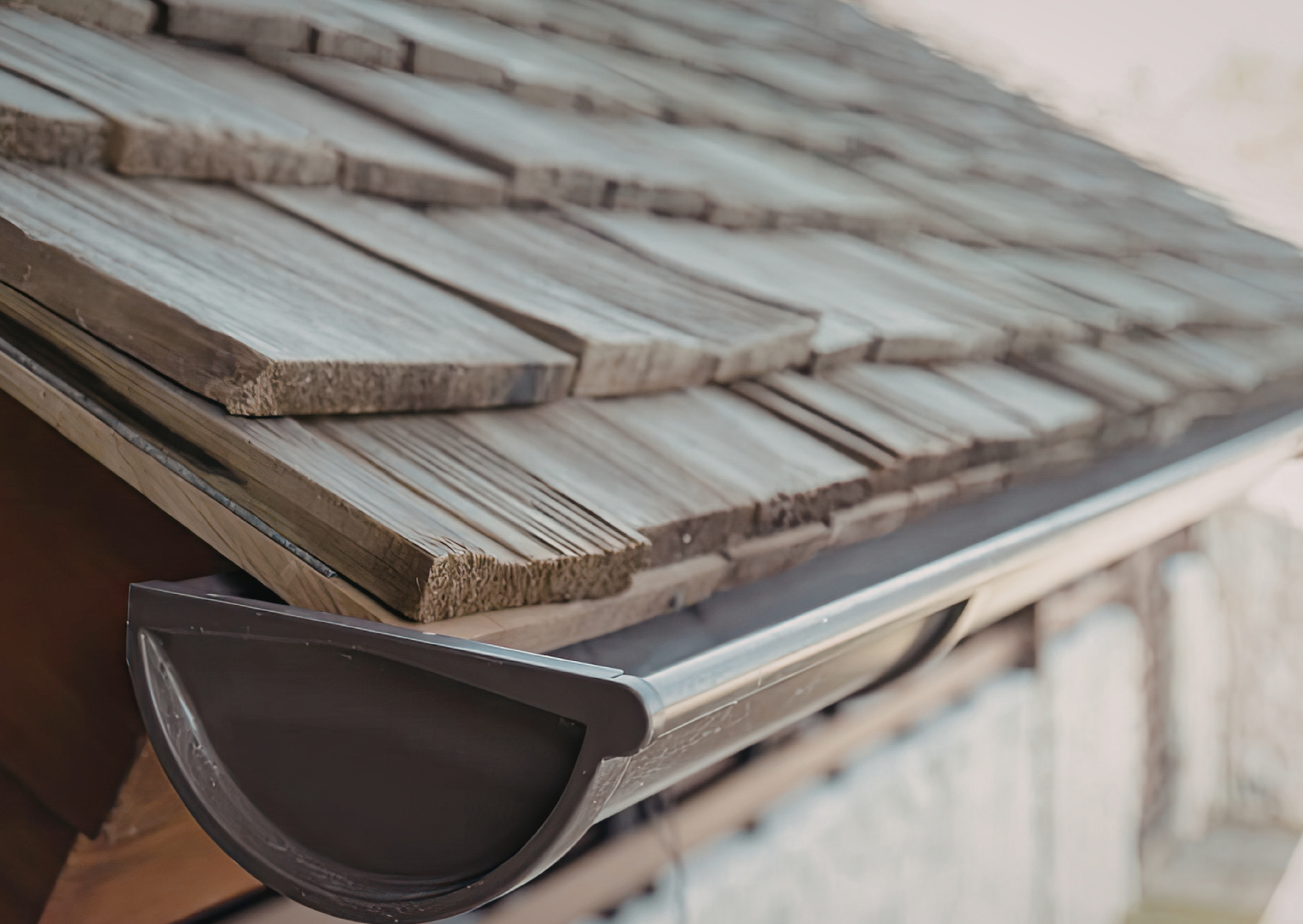
Another major contributor to heavy rain roof damage is clogged gutters and downspouts. When gutters become blocked with leaves, twigs, or other debris, water cannot flow freely away from the roof. As a result, water can pool around the edges of the roof, increasing the risk of leaks and water penetration into the attic or walls.
Clogged gutters also put more weight and pressure on the roof and the surrounding structures, leading to potential roof sagging or damage to the fascia. Preventing heavy rain roof damage requires regular cleaning and maintenance of gutters and downspouts to ensure that rainwater is properly diverted away from the home.
Roof Shingle Damage
Heavy rain can directly impact the condition of your roof shingles. While shingles are designed to shed water, they can become damaged or loosened over time. Heavy rain roof damage can cause shingles to curl, crack, or even blow off during strong winds associated with rainstorms.
Shingles that are already aging or compromised by previous weather conditions are particularly vulnerable to heavy rain. When shingles are damaged, the protective barrier they create becomes weaker, allowing water to seep through to the underlying layers, which can lead to further damage and the need for costly repairs.
Flashing Failures
Flashing is an essential part of your roof’s defense against water, especially around vulnerable areas such as chimneys, vents, and skylights. Flashing prevents water from seeping into the seams of your roof. However, heavy rain roof damage can occur when flashing becomes damaged, corroded, or improperly sealed.
When flashing fails, it creates an opportunity for water to infiltrate the roof, potentially leading to leaks or even mold growth. Homeowners should check for flashing issues, especially after heavy rain, as the constant exposure to water can exacerbate pre-existing problems.
Roof Valleys and Water Flow
Roof valleys, where two sections of the roof meet, are common places for heavy rain roof damage. These areas direct water off the roof and into the gutters. However, if valleys are clogged with debris or if they are poorly sealed, water can back up and infiltrate the roofing system.
In some cases, heavy rain can overwhelm the valleys, particularly if the roof is steep and water flows quickly. Without proper maintenance and proper flashing, water may find its way under shingles and into the home. Keeping valleys clear and inspecting them for wear is crucial to preventing water damage during heavy rain.
Mold and Mildew Growth
Heavy rain can introduce moisture into your roof structure, especially if the roof has leaks or compromised flashing. As water enters the attic, it can create the perfect environment for mold and mildew to thrive. Heavy rain roof damage often leads to mold growth, which can spread throughout the attic, insulation, and even the walls.
Mold and mildew can compromise air quality and cause serious health issues for residents. It can also weaken structural materials, leading to more expensive repairs. Identifying leaks or damp spots early and addressing them quickly can help prevent mold and mildew growth after heavy rain.
Roof Deformation
Constant exposure to heavy rain, combined with other environmental factors, can lead to roof deformation. When water consistently pools on the roof or is unable to drain properly, it can cause sections of the roof to sag or warp. This type of heavy rain roof damage is especially common on flat roofs that lack the proper slope for water drainage.
Deformation can also be a sign of structural weakness caused by water exposure over time. If a roof begins to sag or if you notice visible dips in the roofline, it is crucial to have it inspected as soon as possible. Ignoring these signs can result in more extensive damage that may affect the entire roof structure.
Attic and Insulation Damage
If heavy rain gets past your roof, it can reach the attic and insulation, causing significant damage. Wet insulation loses its ability to effectively regulate temperature, and if it becomes saturated with water, it can develop mold and mildew. Heavy rain roof damage can cause insulation to become damp, compromising the energy efficiency of your home.
Water-damaged insulation is difficult and expensive to replace, so catching leaks early is crucial to protecting your attic and preventing higher energy bills. Additionally, damp insulation can cause further damage to the roof’s structural components.
Long-Term Structural Weakening
While heavy rain may not cause immediate catastrophic damage to a roof, repeated exposure to moisture can weaken the roof structure over time. Heavy rain roof damage contributes to the gradual breakdown of materials, including decking, wood framing, and roof supports. If water is allowed to pool or repeatedly penetrate the roof, it can cause the roof structure to deteriorate.
This type of damage is often subtle at first but becomes more serious if not addressed. Regular roof inspections and timely repairs can help prevent long-term structural issues caused by repeated water exposure.
The Importance of Regular Roof Maintenance
The best way to prevent heavy rain roof damage is through regular maintenance. Keeping your roof in good condition can help it better withstand
the impact of heavy rain. This includes clearingdebris from the roof and gutters, inspecting flashing and valleys for damage, and ensuring shingles are properly sealed.
Scheduled roof inspections by a professional are an essential part of maintaining a roof’s ability to handle heavy rain. Proactive maintenance can help identify minor issues before they turn into significant problems that require costly repairs.
Protect Your Roof Before the Next Storm Hits
If you are concerned about the effects of heavy rain on your roof, do not wait until problems arise. Brad Smith Roofing is here to help with inspections, repairs, and maintenance services. Contact us today at 440-835-3377 to ensure your roof is ready for whatever weather comes next.
FAQs
1. How does heavy rain cause roof leaks?
Heavy rain can cause roof leaks if there are gaps, cracks, or damaged shingles that allow water to seep into the roof structure.
2. What happens when gutters are clogged during heavy rain?
Clogged gutters can cause water to pool on the roof, leading to leaks, water damage, and potential roof sagging.
3. How does heavy rain affect roof shingles?
Heavy rain can weaken or loosen shingles, causing them to curl, crack, or even blow off, increasing the risk of water infiltration.
4. Why is flashing important during heavy rain?
Flashing seals the edges around chimneys, vents, and skylights. If damaged, heavy rain can seep into these areas and cause leaks.
5. Can heavy rain cause mold growth in the attic?
Yes, heavy rain can lead to water entering the attic, creating an environment for mold and mildew to grow if leaks are not addressed quickly.
6. How can heavy rain lead to roof deformation?
Heavy rain can cause water to pool on flat roofs, leading to sagging or warping of the roofing materials due to prolonged exposure to moisture.
7. How can I tell if my roof is leaking after heavy rain?
Look for water stains, damp insulation, peeling paint, or dripping water inside the house as signs that your roof may be leaking.
8. Why is roof maintenance important for preventing heavy rain roof damage?
Regular maintenance ensures that shingles, gutters, flashing, and valleys are in good condition, allowing the roof to handle heavy rain more effectively.
9. Can heavy rain damage roof insulation?
Yes, if rain enters the roof, it can soak insulation, reducing its effectiveness and promoting mold growth.
10. How often should I inspect my roof for heavy rain damage?
It is important to inspect your roof at least twice a year and after major storms to check for potential heavy rain damage.

Stacey is a graduate of BGSU, where she graduated with a B.A. in Interpersonal Communication and a Minor in Marketing. Stacey’s focus of study was Business Management. Stacey has been with the Company since November of 1999, she became the Office Manager in 2003. Stacey now serves as the Vice-President for the Company. She has been a Member of the Rocky River Chamber of Commerce since 2016. Stacey and her brother, Drew Smith, continue to follow in their Father’s footsteps bringing new innovations, new programs, new products and new techniques to help the Company’s efficiency, safety and customer satisfaction.
