
Skylights bring natural light, ventilation, and visual openness to spaces that would otherwise feel closed in. They are also one of the most exposed features on any roof, and that exposure becomes a real concern as summer heat builds and storm season rolls through Northeast Ohio. Before the next round of severe weather, it is worth understanding how skylights behave under thermal stress, where leaks tend to start, and what proactive skylight repair and skylight leak prevention steps protect your home through the hottest, wettest months of the year.
What Homeowners Should Know
- Summer heat causes expansion and contraction that can stress skylight seals, flashing, and surrounding shingles over time.
- Most skylight leaks begin at the flashing, the sealant, or the surrounding roof deck rather than the glass itself.
- A pre-summer inspection is the most cost-effective way to catch failing seals, lifted flashing, or hairline cracks before a storm exposes them.
- Hail, wind-driven rain, and falling debris are the most common storm-related causes of skylight damage in Ohio.
- Older skylights with foggy panes, visible condensation, or interior staining often signal that repair or replacement is overdue.
- Pairing skylight inspection with a full roof check produces better long-term results than treating the skylight as a separate feature.
Why Skylights Need Extra Attention Before Summer
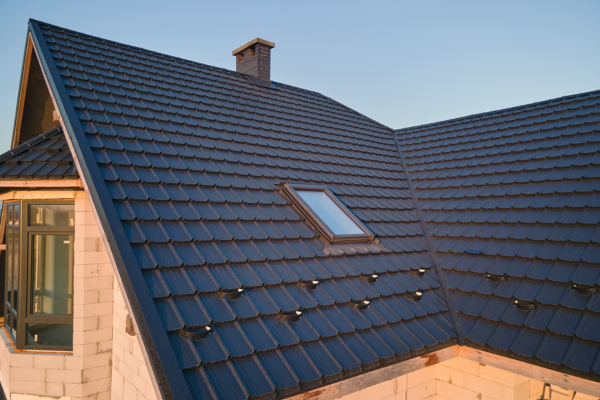
A skylight is essentially a hole cut into your roof, then sealed back up with glass, flashing, and waterproofing materials. That makes it a high-performance assembly when installed correctly, and a high-risk leak point when any single component weakens.
Three forces hit skylights hardest during Ohio summers:
Thermal Cycling
Daytime sun heats the glass and frame, and overnight cooling contracts those same materials. Repeated over months and years, this cycle slowly fatigues sealants, gaskets, and the bond between flashing and shingles. Older sealants become brittle. Caulk shrinks. Small gaps open up.
UV Exposure
Sustained ultraviolet light degrades the rubber gaskets and synthetic sealants used around most skylights. A unit that looked watertight in April can develop micro-cracks by August if the original seal was already aging.
Storm Stress
Summer storms in Ohio bring wind-driven rain, hail, and falling branches. Each event tests every weak point on the roof. A skylight that was holding up fine in calm weather can begin leaking the first time horizontal rain hits a compromised seal.
How Skylight Leaks Actually Start
Most homeowners assume a leaking skylight means the glass has failed. That is rarely the case. The glass itself is one of the most durable parts of the assembly. Leaks almost always trace back to one of the following:
Failed Flashing
Flashing is the metal layer that ties the skylight curb into the surrounding shingles. When flashing lifts, corrodes, or is installed incorrectly, water finds its way underneath during heavy rain.
Deteriorated Sealant
The caulking and weatherproofing around the skylight have a finite lifespan. Once it cracks or pulls away from the frame, water enters through the gap, even if the skylight itself looks fine from the ground.
Damaged Shingles Nearby
The shingles immediately around a skylight take extra wear from foot traffic during installation and from water running off the glass. If those shingles are cracked, curled, or missing granules, water can run sideways under them and into the skylight curb.
Condensation Mistaken for a Leak
Sometimes what appears to be a leak is actually condensation forming on the interior glass during humid summer mornings. This still signals a problem, usually inadequate ventilation or a failed thermal seal between dual panes, but the fix is different from a true water intrusion repair.
Signs Your Skylight Needs Repair Before Summer Hits
Walk through these warning signs before the next heat wave or thunderstorm. Catching any of them early is the core of effective skylight leak prevention:
- Water stains on the ceiling around or below the skylight
- Visible cracks in the caulk or sealant at the frame
- Foggy or cloudy glass that does not clear, which suggests a failed thermal seal
- Drafts or temperature inconsistencies near the skylight
- Daylight visible around the frame from inside the attic
- Lifted, curled, or missing shingles directly around the skylight
- Rust or corrosion on visible flashing
- Persistent condensation on the inside of the glass
- Cracking, peeling, or staining of the interior drywall or trim around the opening
Any one of these warrants a closer look. Two or more together usually means professional skylight repair is needed before storm season escalates.
What Storm Damage Looks Like on a Skylight
Once severe weather arrives, the most common damage patterns include:
 Hail Impact
 Hail Impact
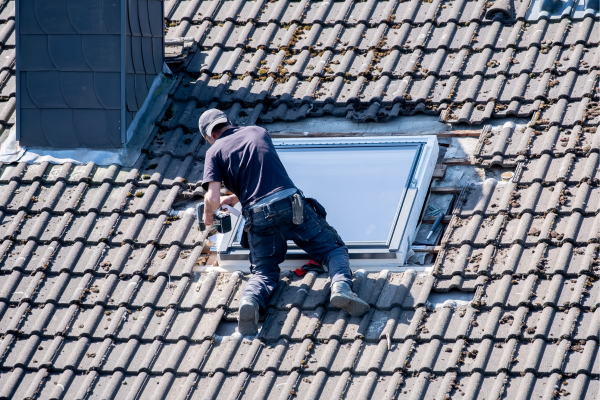
Hail can chip, crack, or shatter skylight glass. Even when the glass holds, hail often compromises the surrounding flashing and seals. After a hailstorm, inspect both the glass and the area immediately around the frame.
Wind Damage
High winds can lift flashing edges and tear shingles loose around the skylight. The skylight may look fine, but the perimeter waterproofing may be compromised.
Debris Impact
Falling branches and wind-blown debris frequently strike skylights because they sit slightly raised above the roof plane. A direct hit can crack the glass, dent the frame, or knock flashing out of position.
Wind-Driven Rain
Even without obvious damage, sideways rain during a severe storm can push water through seals that would handle vertical rainfall without issue. This is often how a previously dry skylight suddenly starts leaking.
Pre-Summer Skylight Checklist
Use this short checklist before the heat and storm season peaks:
- Inspect the ceiling under each skylight for stains or discoloration
- Look at the glass for cracks, chips, or persistent fogging
- Check accessible flashing for lift, rust, or visible gaps
- Examine surrounding shingles for damage or displacement
- From inside the attic, look for daylight around the skylight frame
- Note any unusual drafts or moisture in the room below
- Schedule a professional inspection if anything looks questionable
- Trim back overhanging branches that could fall onto the skylight during a storm
- Confirm gutters and roof drainage near the skylight are clear
Repair Versus Replacement
Not every skylight issue requires a full replacement. Many problems are solved with targeted skylight repair, including resealing the perimeter, replacing flashing, or addressing surrounding shingles. Replacement becomes the better choice when:
- The skylight is significantly past its useful service life
- The thermal seal between panes has failed and the glass is permanently foggy
- The frame is cracked, warped, or visibly degraded
- The roof itself is being replaced and the existing skylight would not match the new system
- Repairs have become repetitive and water continues to find new pathways
A qualified roofer can assess the assembly and the surrounding roof together rather than treating the skylight in isolation.
How Skylight Care Fits Into Roof Maintenance
Skylights are part of the roof system, not separate accessories. The most reliable approach is to inspect them at the same time as the rest of the roof, especially before summer. A coordinated inspection catches problems where the skylight meets the shingles, where flashing transitions occur, and where water has the most opportunity to enter. Homeowners who treat skylights as part of overall roof health typically avoid the surprise leaks that arrive with the first major summer storm.
The Role of Siding, Flashing, and Surrounding Components
Skylights do not fail in isolation. The condition of nearby siding, flashing, and trim affects how water moves across the roof and how well the skylight assembly stays watertight. A weak point three feet away can still send water under the skylight curb during a heavy storm. Treating these components as one connected system is the most reliable way to keep summer rain out.
What to Do if a Storm Damages Your Skylight
If a summer storm causes obvious damage, move quickly:
- Document the damage with photos from inside and, if safe, from outside
- Place a bucket or tarp to catch interior water
- Avoid climbing on a wet or damaged roof
- Call a professional roofer for an emergency assessment
- Contact your insurance carrier if the damage appears significant
- Keep all receipts and documentation related to temporary repairs
Acting within the first twenty-four hours protects both the interior of your home and the validity of any future insurance claim.
Schedule Your Pre-Season Skylight Inspection
Get ahead of summer heat and storm season with a professional skylight inspection from Brad Smith Roofing. Our team of experts handles every part of the assembly, from flashing and sealant to the surrounding shingles, and we specialize in skylight installation and repair that holds up to Ohio weather. Call us at 440-835-3377 or schedule an appointment on our website to book your inspection before the next storm rolls in.
Frequently Asked Questions
How Often Should a Skylight Be Inspected?
A skylight should be inspected at least once a year, with an additional check before storm season. Annual inspections catch sealant and flashing issues before they turn into active leaks.
What Is the Typical Lifespan of a Skylight?
Skylight lifespan depends on the brand, materials, and installation quality. Many residential skylights perform reliably for many years when properly installed and maintained, though seals and flashing often need attention sooner than the unit itself.
Can a Skylight Leak Even if the Glass Is Not Cracked?
Yes. Most skylight leaks originate at the flashing, sealant, or surrounding shingles rather than the glass itself. A skylight can look perfectly intact and still leak heavily during wind-driven rain.
Does Hail Always Damage a Skylight?
Not always. Hail damage depends on hail size, wind speed, and the angle of impact. Even when the glass survives, hail can compromise the seals and flashing around the unit, so a post-hail inspection is still important.
Should I Replace a Foggy Skylight?
Persistent fog between the panes usually means the thermal seal has failed. Replacement is typically the better long-term choice because resealing a failed dual-pane unit is not generally a lasting fix.
What Causes Condensation on the Inside of a Skylight?
Interior condensation often results from high indoor humidity, poor ventilation, or a failed thermal seal. Improving room ventilation can help, but persistent condensation usually points to a glazing problem that needs professional evaluation.
Can I Repair a Skylight Myself?
Minor cleaning is reasonable for homeowners, but skylight repair work involves roof access, flashing, and waterproofing details that benefit from professional handling. DIY sealing can mask the real problem and lead to bigger leaks later.
Are Skylights Energy Efficient in Summer?
Modern skylights with low-emissivity coatings, insulated glazing, and proper flashing can perform well in summer. Older units without these features may add unwanted heat gain and should be evaluated if cooling costs are climbing.
What Should I Do if My Skylight Leaks During a Storm?
Place a container to catch water, protect furnishings, document the leak, and call a professional roofer once the storm passes. Avoid climbing onto a wet roof.
How Do I Choose a Roofer for Skylight Work?
Look for a roofer with direct skylight installation and repair experience, proper licensing and insurance, and the ability to evaluate the entire roof system rather than only the skylight. Local experience with Ohio weather is a meaningful advantage.

Stacey is a graduate of BGSU, where she graduated with a B.A. in Interpersonal Communication and a Minor in Marketing. Stacey’s focus of study was Business Management. Stacey has been with the Company since November of 1999, she became the Office Manager in 2003. Stacey now serves as the Vice-President for the Company. She has been a Member of the Rocky River Chamber of Commerce since 2016. Stacey and her brother, Drew Smith, continue to follow in their Father’s footsteps bringing new innovations, new programs, new products and new techniques to help the Company’s efficiency, safety and customer satisfaction.
