
Wind rarely takes a whole roof at once. It works on edges, corners, and individual tabs, and most of what it loosens stays in place looking more or less normal. That is what makes wind damaged shingles easy to overlook, and it is why they account for so much of our storm and insurance restoration work, since the damage usually traces to a specific weather event rather than to age.
Why Should Wind Damage Be Repaired Before Winter Weather Arrives?
Winter changes what the roof is being asked to do. Rain runs off quickly. Snow sits, melts slowly, and refreezes, which means water spends far more time in contact with the roof surface and has more opportunity to work under wind damaged shingles that are no longer sealed down.
Access is the second reason. Repairs are safer and more straightforward in mild weather, and many sealant and adhesive products are temperature sensitive. Wind damaged shingles that are addressed in the fall are usually a contained repair, while the same shingles left through a winter of snow load, ice, and wind driven precipitation can turn into a larger area of work.
How Wind Actually Damages a Roof
Asphalt shingles are held down in two ways. Nails fasten the upper portion of each shingle to the deck, and a factory applied sealant strip bonds the lower edge to the course beneath it once heat has activated it. That seal is what keeps the shingle from fluttering in wind, and losing it is how most wind damaged shingles begin.
Wind creates uplift by moving faster over the roof surface than beneath any lifted edge, producing a pressure difference that pulls upward. Once a shingle breaks its seal, each subsequent gust can lift it further. Many wind damaged shingles fail at the sealant strip rather than at the nail line, which is exactly why they can look undisturbed from below while no longer functioning as intended.
Where Uplift Concentrates
Pressure is not uniform across a roof. Edges, corners, rake lines, ridges, and areas near changes in roof plane generally see the highest uplift. Roofs with limited surrounding tree cover or with long open exposures tend to take more direct wind. Those areas are the first place an inspection looks, since that is where wind damaged shingles usually appear before anywhere else.
What Damage Looks Like
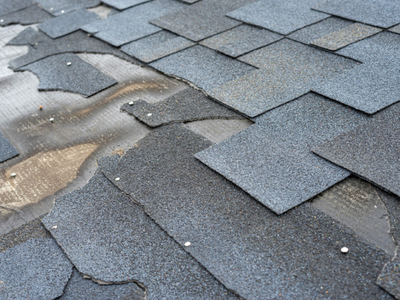
Wind damaged shingles can show several distinct conditions, and they are not equally visible.
- Lifted shingles that have lost their seal but remain nailed in place.
- Creased shingles with a horizontal fold line where the shingle bent back and settled again.
- Missing tabs or whole shingles, the most obvious form and usually the least common.
- Torn shingles where the nail line has pulled through the material.
- Displaced or missing ridge cap shingles along the peak.
- Granule loss concentrated in one area, often visible as buildup in the gutters.
- Exposed or backed out nails where movement has worked fasteners loose.
Creasing deserves specific mention. A creased shingle has a permanent weak line across it, and it may sit flat enough to look normal from the driveway. Creases are among the more commonly missed signs of wind damaged shingles precisely because the shingle returns to roughly its original position.
Why Ground Level Checks Miss So Much
From the ground, a roof with wind damaged shingles and one with fully bonded shingles can look about the same. The seal is underneath the shingle, so its condition cannot be judged visually from below. Creases can be invisible from certain angles, and slope and sightline mean a homeowner often cannot see large sections of their own roof at all.
This is the practical reason to schedule a look after any significant wind event rather than waiting for a leak. Wind damaged shingles do not always leak immediately, and the interval between damage and the first stain can span months. The ways that storms affect a roof are frequently confirmed only once someone is close enough to check the seal.
What Winter Does to an Unsealed Roof
Snow accumulates rather than running off, and its weight can press on wind damaged shingles that are no longer bonded. As temperatures rise and fall, that snow melts and refreezes, and meltwater can move under a lifted edge and freeze there. Repeated freeze and thaw cycles may place additional stress on shingles, underlayment, and flashing that is already compromised.
Ice dams compound the problem by holding water at the roof edge, which is exactly where uplift damage tends to concentrate. Wind continues through winter as well, and a shingle that lost its seal in an autumn storm has little opportunity to reseal, since the adhesive strip generally needs warmth to bond. Preparing for Northeast Ohio snow is largely a matter of making sure the surface is intact before the snow arrives.
Documentation and Insurance Considerations
Wind damage is frequently tied to a specific storm, so recording what you observe and when you observed it is useful. Photographs of the roof, the gutters, and any shingle material found in the yard, along with the date of the weather event, create a record that is easier to discuss later than a recollection.
Coverage and claim outcomes vary by policy, carrier, and circumstance, so we do not make predictions about what any individual claim will produce. What we can say is that documentation and a professional assessment of wind damaged shingles put you in a better position to have an informed conversation with your insurer.
Pre Winter Inspection Checklist
Use this as a starting point for spotting wind damaged shingles after a windy season.
- Walk the property after storms and look for shingle pieces or granules on the ground.
- Check gutters and downspout outlets for concentrated granule buildup.
- Look at ridges, edges, corners, and rake lines with binoculars.
- Watch for shingles that appear lifted, uneven, or out of alignment.
- Check for exposed nail heads or shiny spots where material has torn away.
- Inspect attic spaces for daylight, damp sheathing, or new staining.
- Photograph anything unusual and note the date of the storm.
- Schedule a professional inspection before the first sustained cold stretch.
Repair or Replace
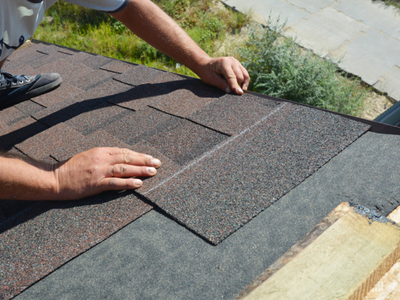
The answer depends on how widespread the damage is and how much service life the roof has left. Localized wind damaged shingles on a roof in otherwise sound condition are often a targeted repair. Damage spread across multiple slopes, or found on a roof already near the end of its expected life, points toward a broader evaluation.
Shingle matching is a practical consideration as well. Older roofs may no longer have an exact color match available, since products change and existing shingles weather. That does not prevent a repair, but it is worth knowing in advance. A professional assessment of wind damaged shingles should address both the extent of the damage and the condition of the surrounding material, which is part of any thorough approach to preparing a roof for extreme weather.
Talk to Us Before Winter
If a storm came through and you have not had the roof looked at, Brad Smith Roofing can check it. Our team provides residential roofing services that include inspections, repairs, storm and insurance restoration, and emergency roof repairs when the situation cannot wait. Call us at 440-835-3377 or contact us on our website to schedule an inspection before the weather turns.
Frequently Asked Questions
1. How Much Wind Does It Take to Damage Shingles?
There is no single threshold. Resistance varies by shingle product, installation quality, roof age, and exposure, and damage can occur at lower speeds on an older roof than on a newer one.
2. Can Wind Damage Happen Without Shingles Blowing Off?
Yes, and that is the common case. Shingles frequently break their sealant bond or crease without detaching, which leaves them in place but no longer performing as designed.
3. What is a Creased Shingle?
A creased shingle has a fold line across it from being bent back by wind and then settling down again. The crease is a permanent weak point even when the shingle looks flat from the ground.
4. Will an Unsealed Shingle Reseal on Its Own?
Sometimes, if conditions are warm enough and the shingle is lying flat against the course below. Cold weather makes that far less likely, which is part of why fall inspection matters.
5. Why Are Roof Edges Damaged First?
Uplift pressure is highest at edges, corners, rakes, and ridges where wind changes direction as it meets the roof. Those areas take more force than the middle of a slope.
6. Can I Inspect My Own Roof After a Storm?
You can check the ground and gutters for shingle material and view the roof with binoculars. Climbing on a roof is unsafe without training and equipment, and walking on damaged shingles can make the damage worse.
7. How Soon After a Storm Should I Have the Roof Checked?
Reasonably soon, particularly before winter. Damage does not always leak right away, and the interval between the storm and the first visible sign can be long.
8. Does Wind Damage Always Mean a Full Replacement?
No. Localized damage on a roof with remaining service life is often repaired. Widespread damage, or damage on an aging roof, generally warrants a broader evaluation.
9. Will New Shingles Match My Existing Roof?
An exact match is not always available on older roofs, since products change and installed shingles weather over time. A close match is often possible, and this is worth discussing before the work begins.
10. What Should I Do if I Find Shingles in My Yard?
Keep them, photograph them where you found them, note the date and the storm, and contact a roofing professional. Missing shingles usually mean other areas of the roof were stressed as well.

Stacey is a graduate of BGSU, where she graduated with a B.A. in Interpersonal Communication and a Minor in Marketing. Stacey’s focus of study was Business Management. Stacey has been with the Company since November of 1999, she became the Office Manager in 2003. Stacey now serves as the Vice-President for the Company. She has been a Member of the Rocky River Chamber of Commerce since 2016. Stacey and her brother, Drew Smith, continue to follow in their Father’s footsteps bringing new innovations, new programs, new products and new techniques to help the Company’s efficiency, safety and customer satisfaction.
