
Summer in Ohio brings more than warm afternoons and long evenings. It brings thunderstorms, high winds, hail, and the occasional severe weather warning that sends everyone indoors. While most homeowners experience these storms from the comfort of the living room, the roof takes the full force of each one. Summer weather is among the hardest seasons on a roof, and the damage it causes is not always obvious from the ground. Understanding the kinds of storms that threaten your roof, and knowing when storm damage roof issues call for prompt roof repair, is the difference between a quick fix and a major problem down the line.
Key Takeaways
- Summer storms expose roofs to wind, hail, heavy rain, and flying debris, often in a single event.
- Much of the damage a storm causes is not visible from the ground and goes unnoticed until a leak appears.
- Different storm types damage a roof in different ways, from lifted shingles to punctured decking.
- Catching storm damage roof problems early keeps a small repair from becoming a full replacement.
- A post-storm inspection is the most reliable way to confirm whether your roof came through intact.
- Acting quickly on roof repair also protects the value of any future insurance claim.
Why Summer Storms Are Hard on Roofs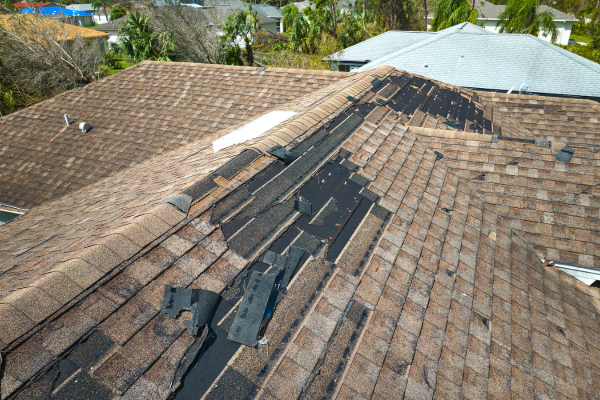
Summer storms tend to arrive fast and hit hard. A clear afternoon can turn into a severe thunderstorm within an hour, bringing a combination of forces that test every part of the roof at once. Wind lifts and loosens shingles, rain drives sideways into seams, hail batters the surface, and debris becomes airborne. It is the combination that makes summer weather so demanding, since a roof rarely faces just one of these threats in isolation.
The roof is also the most exposed surface on the entire home, with nothing above it to absorb the impact. Every shingle, seam, and flashing detail has to perform under pressure, and any weakness that was quietly developing tends to reveal itself the moment a real storm rolls through. A roof that looked perfectly fine in calm weather can begin leaking the first time it faces a genuine summer downpour.
The Main Types of Summer Storm Damage
Not all storms damage a roof the same way. Recognizing how each type causes harm makes it easier to know what to look for afterward.
Wind Damage
High winds are one of the most common causes of summer roof damage. Strong gusts can lift the edges of shingles, break their seal, and in severe cases tear them off entirely. Even when shingles are not visibly missing, wind can loosen them just enough to let water work underneath during the next rain. Wind also drives the debris that causes much of the secondary damage in a storm.
Hail Damage
Hail is particularly destructive because it strikes the entire roof surface at once. It can bruise or crack shingles, knock loose the protective granules that shield them from the sun, and dent metal components and flashing. Hail damage is often subtle from the ground, which is exactly why it gets missed, yet it shortens the life of the roof and creates openings for water over time.
Heavy Rain and Wind-Driven Rain
Summer downpours can dump a large amount of water in a short period, overwhelming gutters and finding any gap in the roof system. Wind-driven rain is even more aggressive, pushing water sideways and upward into seams that handle ordinary vertical rainfall without issue. This is often how a roof that has never leaked suddenly does.
Falling Debris and Branches
Storms turn loose branches, limbs, and yard debris into projectiles. A falling branch can puncture shingles, crack the decking, or damage flashing on impact. Even smaller debris scraped across the roof by the wind can wear away granules and loosen shingle edges.
Lightning
While direct lightning strikes are relatively rare, they can cause serious structural and fire damage when they occur. More commonly, the intense winds and rain that accompany a lightning storm are the real threat to the roof.
Where Summer Storm Damage Hides
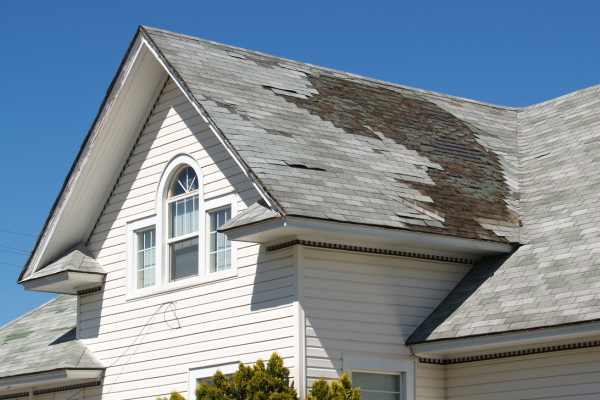
One of the biggest dangers of storm damage is that so much of it is invisible from the ground. A homeowner can look up at the roof after a storm, see no missing shingles, and reasonably assume everything is fine, while real damage waits out of sight. Lifted shingles often settle back down and look normal even though their seal is broken. Hail bruising rarely shows from below. Compromised flashing around chimneys and vents is impossible to assess from the yard.
This hidden damage is exactly why a leak so often appears days, weeks, or even months after the storm that caused it. By the time water reaches the ceiling, it has usually been traveling through the roof structure for a while. Catching these problems early, before they reach the interior, is the entire purpose of a prompt post-storm inspection.
Signs Your Roof May Have Storm Damage
After a summer storm, watch for these warning signs that your roof may need attention:
- Shingles that are missing, cracked, curled, or visibly lifted
- Granules collecting in the gutters or at the base of the downspouts
- Dents or bruising on shingles, vents, or metal flashing
- Water stains appearing on interior ceilings or walls
- Daylight visible through the roof boards from inside the attic
- Damaged, bent, or missing flashing around chimneys and vents
- Debris or fallen branches resting on the roof surface
- Sagging areas or soft spots along the roofline
- Leaks or drips during or after rainfall
Post-Storm Roof Repair Checklist
Use this checklist in the hours and days after a significant summer storm:
- Walk the perimeter of your home and look for shingles or debris on the ground
- Scan the roof from the ground for obvious missing or displaced shingles
- Check the gutters for accumulated granules washed off the shingles
- Inspect interior ceilings and walls for new water stains
- Look in the attic for daylight, moisture, or damp insulation
- Photograph any visible damage for your records and a potential claim
- Place a bucket or tarp under any active interior leak
- Avoid climbing onto a wet or damaged roof yourself
- Schedule a professional inspection to assess what cannot be seen from the ground
Why Prompt Roof Repair Matters
When storm damage goes unaddressed, it rarely stays the same size. A single lifted shingle lets water reach the underlayment, which can spread to the decking, then to the insulation, and eventually into the living space. What began as a minor repair after the storm becomes a far larger and more expensive project once the water has had time to travel. Prompt roof repair interrupts that chain before it starts.
There is also a practical reason to act quickly that has nothing to do with the roof itself. Most insurance policies expect storm damage to be reported and addressed within a reasonable window, and documentation gathered soon after the event carries more weight than damage discovered months later. Moving promptly protects both the roof and the homeowner’s position if a claim becomes necessary. A professional can assess the full extent of the damage, recommend the right repair, and provide the documentation that supports the process.
Repair Versus Replacement After a Storm
Not every storm requires a new roof. Many summer storm issues are resolved with targeted roof repair, such as replacing a section of damaged shingles, resealing lifted areas, or repairing flashing around a penetration. Replacement becomes the better option when the damage is widespread, when the roof was already near the end of its service life, or when repeated repairs are no longer keeping water out. The right call depends on the extent of the damage and the condition of the roof before the storm, which is something a professional inspection is designed to determine.
How Storm Damage Connects to the Whole Roof System
A summer storm rarely affects just the shingles. The same wind and rain that lift shingles also stress the flashing, the siding, the gutters, and every transition point on the exterior. Because these components work together to keep water out, damage to one often shows up as a problem in another. Learning to recognize the first warning signs across the entire roof system, rather than focusing only on obvious missing shingles, is what catches storm damage before it spreads into the structure.
What to Do Immediately After a Storm
The first hours after a severe storm matter. If you notice an active leak, contain it and protect your belongings, but do not attempt to climb onto a wet or compromised roof. Document everything you can see safely from the ground and from inside the attic, since that record supports both the repair and any insurance conversation. For a complete walkthrough of the right steps to take right after the weather clears, see what to do immediately after a roof is damaged by storms. Acting calmly and quickly keeps a stressful situation from turning into a larger one.
Schedule Your Post-Storm Roof Inspection
Do not wait for a leak to tell you a summer storm damaged your roof. Get a professional inspection from Brad Smith Roofing and know for certain whether your roof came through the season intact. Our team of experts evaluates the entire roof system, from shingles and flashing to the gutters and roof edge, and identifies the damage that is impossible to see from the ground. We specialize in storm damage roof repair built for Ohio weather. Call us at 440-835-3377 or schedule an appointment on our website to book your inspection before the next storm rolls in.
Frequently Asked Questions
How Do I Know if a Summer Storm Damaged My Roof?
Some signs are visible, such as missing shingles, granules in the gutters, or interior water stains, but much storm damage is hidden from the ground. A professional inspection is the most reliable way to confirm whether your roof was affected.
Can a Roof Be Damaged Even if No Shingles Are Missing?
Yes. Wind can break the seal on shingles that still appear in place, and hail can bruise the surface without obvious signs. This kind of damage often leads to leaks later, which is why a missing-shingle check alone is not enough.
How Soon Should I Inspect My Roof After a Storm?
As soon as it is safe to do so. Prompt inspection catches damage before it leads to leaks and supports any insurance claim, since documentation gathered soon after the storm carries more weight.
Does Hail Always Cause Visible Damage?
Not always. Hail can bruise shingles and knock loose protective granules in ways that are difficult to see from the ground. Even subtle hail damage shortens a roof’s lifespan and should be professionally assessed after a significant hailstorm.
What Should I Do if My Roof Is Leaking During a Storm?
Contain the water with a bucket or container, protect nearby belongings, and avoid climbing onto the wet roof. Document the leak and contact a professional roofer once the storm has passed.
Will My Insurance Cover Storm Damage to My Roof?
Coverage depends on your specific policy and the nature of the damage. Reporting the damage promptly and providing clear documentation gives you the best footing, and your insurer can confirm what your policy covers.
Is Storm Damage Always Repairable, or Do I Need a New Roof?
Many storm issues are repairable, especially when caught early. Replacement is typically considered when damage is widespread or the roof was already near the end of its service life. An inspection determines the right path.
How Can I Prepare My Roof for Summer Storm Season?
Schedule an inspection before the season, address any existing wear, keep gutters clear, and trim back overhanging branches that could fall onto the roof during high winds.
Why Do Leaks Sometimes Appear Long After a Storm?
Hidden damage allows water to travel slowly through the roof structure before it reaches the ceiling. A leak that appears weeks after a storm often traces back to damage that was never visible from the ground.
Can I Inspect Storm Damage Myself?
You can safely check from the ground and from inside the attic, and photograph anything you notice. Climbing onto a storm-damaged roof is dangerous, however, and a true assessment of the surface and flashing is best left to a professional.

Stacey is a graduate of BGSU, where she graduated with a B.A. in Interpersonal Communication and a Minor in Marketing. Stacey’s focus of study was Business Management. Stacey has been with the Company since November of 1999, she became the Office Manager in 2003. Stacey now serves as the Vice-President for the Company. She has been a Member of the Rocky River Chamber of Commerce since 2016. Stacey and her brother, Drew Smith, continue to follow in their Father’s footsteps bringing new innovations, new programs, new products and new techniques to help the Company’s efficiency, safety and customer satisfaction.
