
A roof valley is where two roof planes meet and send their runoff into a single channel. It is the busiest part of most residential roofs, it is where leaves tend to settle, and it is one of the first areas we check during residential roof repair and maintenance, because roof valley leaks usually begin well before a stain appears on a ceiling.
Why Do Leaves and Debris in Roof Valleys Increase Leak Risk?
Leaves increase leak risk because they interrupt a drainage path that was designed to move a large volume of water quickly. A valley collects runoff from both slopes that feed into it, which means the water passing through that channel during a heavy rain is far greater than the water crossing any other part of the roof. When debris slows or diverts that flow, water backs up, spreads sideways, and travels under shingle edges instead of over them, which is how roof valley leaks usually get their start.
That sideways movement is the mechanism behind most roof valley leaks. Shingles are built to shed water that runs downhill across their surface. They are not built to hold back water that pushes upward or sits against their edges. A partial dam of wet leaves changes the direction of travel just enough for water to find a lap, a nail line, or a seam that would never have been exposed under normal conditions.
How Valleys Are Built and Why It Matters
Valleys are generally finished in one of a few ways. An open valley leaves a metal channel exposed down the center, with shingles trimmed back on each side. A closed or woven valley carries the shingles across the channel so the metal, if present, is hidden. Underneath either approach there is normally a reinforced underlayment or valley lining that acts as a secondary barrier.
The construction matters because it changes how debris behaves. An open metal valley tends to shed small debris more readily, though larger material can still lodge against the edges. A woven valley has more texture for leaves and needles to catch on. Neither approach is immune, and roof valley leaks can develop in either style when maintenance falls behind. Understanding the underlying assembly is part of any thorough roof repair and maintenance routine.
The Role of Underlayment
Valley underlayment is a backup layer rather than a permanent waterproof surface, and its condition has a lot to do with whether roof valley leaks develop. It is meant to handle occasional water that gets past the shingles, not to sit under standing water for weeks. When debris keeps a valley wet through an entire season, the underlayment is doing work it was never intended to do, and its service life can shorten as a result.
What Trapped Moisture Does Over Time
Wet leaves behave like a sponge. They hold water against the roof surface long after the weather clears, and they block the sunlight and airflow that would otherwise dry the area. Shingles that stay damp can lose granules faster, and the exposed asphalt underneath weathers more quickly once those granules are gone. Worn shingles along the channel make roof valley leaks more likely over time.
Organic debris also breaks down into a fine sludge that packs into shingle laps and along metal edges. That material holds moisture even after the visible leaves are removed, which is one reason roof valley leaks sometimes persist after a quick surface cleaning. Moss and algae growth follow the same pattern, since both prefer surfaces that stay shaded and damp.
Nearby Flashing and Transition Points

Valleys rarely exist in isolation. They often run into or past other details, including sidewall flashing, dormer corners, chimney transitions, and the point where the valley discharges into a gutter. Every one of those connections relies on water arriving in a predictable direction and volume, and roof valley leaks often show up at these junctions first.
When a valley backs up, that assumption breaks. Water can push behind step flashing at a dormer wall, overshoot the gutter at the valley outlet, or pool at a transition where two details overlap. Roof valley leaks that appear near a wall or a dormer often have their actual cause several feet uphill, which is why a full inspection beats spot checking the stain.
The Gutter Connection
A valley concentrates water and delivers it to one spot in the gutter, usually at high speed. If that section of gutter is clogged or sagging, water backs up at the exact point where the roof edge is already under the most pressure. The same leaves that fill a valley usually end up in the gutter below it, so clogged gutters and roof valley leaks tend to arrive together.
Keeping the gutter system open is part of protecting the valley itself. Water that cannot leave the gutter can sit against the roof edge, the fascia, and the underlayment, and it can back up under the lowest shingle courses. The relationship between gutter performance and rainy weather applies directly here, since valley discharge is where gutters are tested hardest.
Winter Adds a Second Problem
Northeast Ohio winters introduce freeze and thaw cycling on top of the debris issue. Water held in a blocked valley can freeze, and ice in a valley is difficult to remove safely and slow to clear on its own. Valleys are also a common place for ice to build during a thaw, since the channel is already collecting meltwater from two roof planes. Winter roof valley leaks often begin this way.
Repeated freezing and thawing may place additional stress on shingle edges, valley metal, and nearby flashing. A valley that was merely slow in October can hold ice through much of the winter, and roof valley leaks discovered in February often started as a fall maintenance item that went unaddressed.
Warning Signs Worth Reporting
Roof valley leaks usually announce themselves indoors before anyone sees the roof. Ceiling stains that follow a diagonal line, or that appear near a dormer or an interior corner, are worth investigating. So are damp patches in an attic along the underside of a valley, rust streaking on exposed valley metal, granule accumulation at the valley outlet in the gutter, and visible plant growth or dark streaking running down the channel.
Storm activity is another trigger for a closer look, since wind can load a valley with debris in a single afternoon. The way storms affect a roof often shows up first in the valleys, because that is where everything the wind moves eventually collects.
Inspection and Cleaning Timing
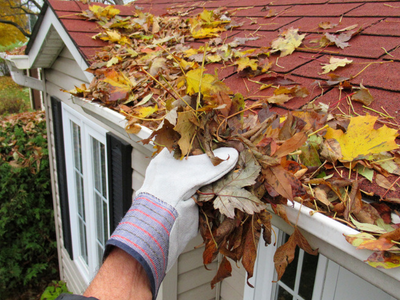
Two seasonal checks cover most situations. A fall check after the leaves have dropped clears the material that would otherwise sit through winter. A spring check finds what the winter left behind and gives a full season to plan repairs. Homes under mature trees, particularly those with pines or other species that shed year round, usually need more frequent attention to stay ahead of roof valley leaks.
Valley work is not a comfortable do it yourself task. Valleys are steep, often wet, and slippery when covered in debris, and walking on them can damage the very shingles that are holding water back. Roof valley leaks are easier to prevent from a ladder or a professional inspection than to chase after the fact.
Valley Maintenance Checklist
Use this as a starting point when reviewing your roof for roof valley leaks.
- Look at each valley from the ground with binoculars after leaf fall and after storms.
- Watch for debris that stays in the channel rather than washing through.
- Check the gutter section directly below each valley outlet for buildup.
- Note any dark streaking, moss, or plant growth in the channel.
- Look for lifted, cracked, or missing shingles along the valley edges.
- Check attic spaces beneath valleys for damp sheathing or staining.
- Trim overhanging branches where it can be done safely.
- Schedule a professional inspection in the fall and again in the spring.
Talk to Us About Your Valleys
If a valley on your home is holding debris or you have noticed a stain you cannot trace, Brad Smith Roofing can take a look. Our team provides residential roofing services that include inspections, leak detection, repairs, and gutter work, so the valley and the drainage below it can be evaluated together. Call us at 440-835-3377 or contact us on our website to schedule an inspection.
Frequently Asked Questions
1. What is a Roof Valley?
A roof valley is the channel formed where two roof planes meet at an angle. It collects runoff from both slopes and carries it down toward the gutter or roof edge.
2. Why Do Leaves Collect in Valleys?
Valleys are the low point between two slopes, so gravity brings debris there naturally. Wind also pushes leaves and needles across the roof until they reach a channel that stops them.
3. Can Leaves Alone Cause a Leak?
Debris on its own is not a leak, but it can create the conditions for roof valley leaks. Trapped moisture and redirected water can expose shingle edges, laps, and nail lines that would otherwise stay protected.
4. How Often Should Valleys Be Cleared?
Twice a year works for many homes, in fall after leaf drop and again in spring. Properties with heavy tree cover often need more frequent clearing.
5. Are Open or Closed Valleys Better?
Neither is universally better. Open metal valleys can shed small debris more readily, while closed valleys offer a uniform appearance. Both require maintenance, and the right choice depends on the roof design and the material.
6. Can I Clean a Valley Myself?
Valleys are steep and slippery, and walking on them can damage shingles. Light clearing from a ladder may be possible in some cases, but anything requiring roof access is safer left to a professional.
7. Do Gutter Guards Help With Valleys?
Gutter guards address the gutter rather than the valley itself. They may reduce buildup at the outlet, but debris can still collect in the channel above, so valley checks are still needed.
8. How Do I Know if the Underlayment Is Damaged?
Underlayment sits beneath the surface, so damage is usually confirmed during an inspection rather than from the ground. Persistent staining or damp attic sheathing beneath a valley can point in that direction.
9. Do Valleys Cause Ice Problems in Winter?
They can. Valleys collect meltwater from two roof planes, and blocked drainage gives that water somewhere to freeze. Ice in a valley is slow to clear, difficult to remove safely, and a common source of winter roof valley leaks.
10. What Should I Do if I See a Stain Near a Valley?
Photograph it, note when it appears and whether it changes with rainfall, then contact a roofing professional. The visible stain is often downhill or downstream from the actual entry point.

Stacey is a graduate of BGSU, where she graduated with a B.A. in Interpersonal Communication and a Minor in Marketing. Stacey’s focus of study was Business Management. Stacey has been with the Company since November of 1999, she became the Office Manager in 2003. Stacey now serves as the Vice-President for the Company. She has been a Member of the Rocky River Chamber of Commerce since 2016. Stacey and her brother, Drew Smith, continue to follow in their Father’s footsteps bringing new innovations, new programs, new products and new techniques to help the Company’s efficiency, safety and customer satisfaction.
