
As a business owner, your roof is easy to forget until something goes wrong. It sits out of sight, works around the clock, and rarely asks for attention. That is exactly why timing matters so much when it comes to commercial roof maintenance. The month you choose to inspect and service your roof can shape how well it holds up through the rest of the year, and August stands out as one of the best windows to give a commercial roof the care it needs.
What Commercial Roof Maintenance Involves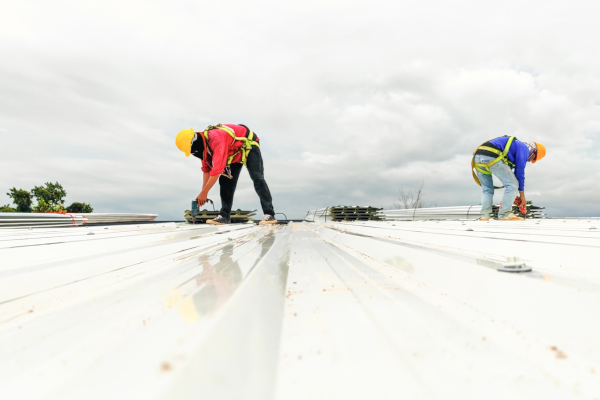
At its core, commercial roof maintenance is the routine work of keeping a flat or low-slope roofing system in reliable condition. It usually means having a professional look over the roof, check the surface and seams, clear away debris, confirm that water is draining the way it should, and address small issues before they turn into larger ones. Unlike a repair, which reacts to a problem that already exists, maintenance is meant to be preventive. The goal is to catch wear early and keep the roof performing the way it was designed to.
Commercial roofs face different demands than residential ones. They tend to be larger, flatter, and more exposed, with rooftop equipment, drains, and access points that all need to stay sealed and working. Regular commercial roof maintenance gives you a clear picture of the roof’s condition so you can plan around it instead of being caught off guard.
Why the Weather in August Works in Your Favor
Timing is one of the most overlooked parts of roof care, and weather is a big reason August works so well.
Dry and Stable Conditions Help the Work Go Smoothly
Late summer in Ohio tends to bring warm, relatively dry, and settled weather. That matters more than most people realize. Many roofing materials, sealants, and coatings need dry surfaces and mild temperatures to be applied and to cure properly. Wet or freezing conditions can interfere with adhesion and make certain repairs harder to complete well. Because August often offers a stretch of predictable weather, commercial roof maintenance can be carried out under conditions that support quality work.
A Window Before Fall and Winter Arrive
August also sits at a useful point on the calendar. It comes after the heat and storms of peak summer but before the falling leaves of autumn and the freezing temperatures of winter. Taking care of commercial roof maintenance now means your roof is inspected and shored up before the harshest weather of the year sets in. Once cold weather arrives, snow, ice, and freeze and thaw cycles put real stress on a roofing system, and getting up on the roof becomes more difficult. Doing the work in late summer keeps you a step ahead.
How Late Summer Maintenance Protects Your Business
For most businesses, a roof problem is never only a roof problem. A leak can damage inventory, disrupt daily work, and create safety concerns for employees and customers. It can also mean closing off part of a space or arranging emergency work at an inconvenient time. Planning commercial roof maintenance during the calmer late summer months lets you handle issues on your own schedule rather than reacting to an emergency during a snowstorm or a busy holiday stretch.
There is also a practical business rhythm to think about. Many companies are past their midyear push by August and heading into a busier fall and holiday season. Taking care of the roof before that ramp up means one less thing to worry about when your attention is needed elsewhere. Consistent commercial roof maintenance also makes planning easier, because you understand the condition of your roof instead of guessing about it.
What a Commercial Roof Maintenance Visit Covers
Every roof is different, so the specifics depend on the age, design, and material of your system. In general, though, a thorough visit tends to look at the overall surface for cracks, blisters, or worn areas, the seams and flashing where leaks often begin, the drains and gutters that carry water off the roof, and the seals around vents, units, and other rooftop penetrations. A professional will also watch for early warning signs that something is starting to fail.
A Simple Commercial Roof Maintenance Checklist

You do not have to be a roofing expert to stay on top of your roof between professional visits. Here is a short checklist you can use:
- Walk the interior and look for water stains, discoloration, or damp spots on ceilings and walls.
- From a safe vantage point, note any obvious debris, sagging, or pooling water on the roof surface.
- Keep records of past inspections, repairs, and any changes to rooftop equipment.
- Make sure drains, scuppers, and gutters are clear before and after heavy weather.
- Schedule a professional inspection at least once or twice a year, with late summer being an ideal time.
- Call a professional promptly if you notice a leak, rather than waiting to see whether it gets worse.
Pairing a simple checklist like this with scheduled commercial roof maintenance helps you stay ahead of problems instead of chasing them.
Schedule Your Commercial Roof Maintenance Before Fall
If you want your commercial property ready for whatever the coming seasons bring, late summer is the time to act. At Brad Smith Roofing, we help business owners across Northeast Ohio keep their roofs in dependable condition through every season. Our experienced commercial roofing team understands the demands that flat and low-slope roofs face in this region and can help you plan the right approach for your property. To get started, contact us at 440-835-3377 to set up your commercial roof maintenance before the weather turns. A little attention now can save you a great deal of trouble later.
Frequently Asked Questions
1. Why is August a Good Time for Commercial Roof Maintenance?
August usually brings warm, dry, and stable weather in Ohio, which creates good conditions for inspecting and servicing a roof. It also falls before the falling leaves of autumn and the freezing weather of winter, so your roof is ready before the toughest conditions arrive.
2. How Often Should a Commercial Roof Be Inspected?
A common recommendation is to have a professional inspection at least once or twice a year, along with a look after any major storm. Regular checks help you catch small issues early and keep a record of your roof’s condition over time.
3. What is the Difference Between Commercial Roof Maintenance and a Repair?
Maintenance is proactive and ongoing, focused on catching wear and small problems before they grow. A repair reacts to damage or an issue that already exists. Routine maintenance often reduces the number of larger repairs you need down the road.
4. Can Commercial Roof Maintenance Be Done in Colder Months?
Roof work can happen in colder weather, but freezing temperatures and moisture can make some tasks harder and affect how certain materials cure. That is one reason late summer is often a more comfortable and practical time to schedule the work.
5. What Problems are Commonly Found During a Commercial Roof Inspection?
Inspections often reveal issues like standing water, clogged or slow drains, cracked or blistered surfaces, worn seams, damaged flashing, and failing seals around rooftop equipment. Finding these early usually makes them easier to address.
6. Does a Flat Commercial Roof Need Different Care Than a Sloped Roof?
Yes. Flat and low-slope roofs do not shed water as quickly as steep roofs, so drainage and standing water are bigger concerns. Maintenance for these roofs pays close attention to drains, seams, and the overall surface.
7. How Does Standing Water Affect a Commercial Roof?
Standing water, sometimes called ponding, adds weight and can speed up wear on the roofing surface and seams. Over time it may contribute to leaks. Checking drainage and clearing debris helps water move off the roof the way it should.
8. What Happens if Commercial Roof Maintenance is Skipped?
When maintenance is skipped, small problems can go unnoticed until they become leaks or larger failures. That often leads to more disruption and more involved repairs. Staying consistent helps you avoid surprises and plan ahead.
9. Should Maintenance Still Be Scheduled if the Roof Looks Fine?
Yes. Many roofing issues begin out of sight or in areas that are hard to see from the ground. A roof that looks fine can still have early wear, so routine professional attention is worthwhile even when nothing seems wrong.
10. What Should I Do if I Notice a Leak Between Maintenance Visits?
Contain the water if you safely can, move anything valuable out of the way, and contact a roofing professional promptly. Acting quickly can limit interior damage and often makes the repair simpler.

Stacey is a graduate of BGSU, where she graduated with a B.A. in Interpersonal Communication and a Minor in Marketing. Stacey’s focus of study was Business Management. Stacey has been with the Company since November of 1999, she became the Office Manager in 2003. Stacey now serves as the Vice-President for the Company. She has been a Member of the Rocky River Chamber of Commerce since 2016. Stacey and her brother, Drew Smith, continue to follow in their Father’s footsteps bringing new innovations, new programs, new products and new techniques to help the Company’s efficiency, safety and customer satisfaction.
